




You are viewing 2 of your 2 free articles
Analysis: UK and Europe align on package travel reforms
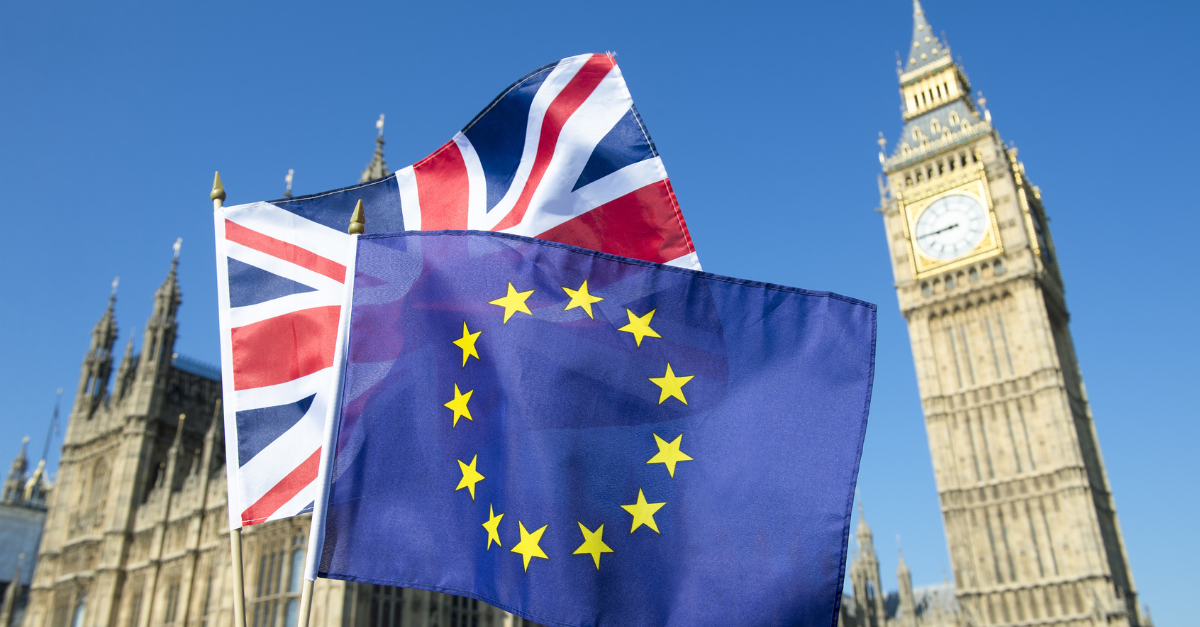
Timing of announcements suggests coordination with EC, writes Ian Taylor

The European Council and Parliament confirmed an agreement on reform of the Package Travel Directive (PTD) last week on the same day as the UK government confirmed limited changes to the Package Travel Regulations (PTRs).
The combination of announcements suggested a degree of coordination, an impression strengthened by the similarity of the proposals.
The EC had proposed more sweeping reforms in November 2023 – limiting customer downpayments to 25% of a package price, for example, with the balance payable only 28 days before departure.
More: Package reforms curtailed in face of industry backing
It also proposed extending a customer’s right to cancel due to “unavoidable and extraordinary circumstances” not just in a destination but “in the country of departure [or] residence” – leading Abta to express relief that the revision would not apply in the UK.
And the EC wanted official travel warnings to be “important” in assessing whether unavoidable and extraordinary circumstances arose.
Although the Council sought to remove these proposals in its response, the Parliament restored elements of them. This threatened divergence between the PTD and UK PTRs, which derive from the 2018 directive and appeared subject to more limited reform by the Department for Business and Trade (DBT).
However, the difference now appears limited.
The revised PTD will see the abolition of Linked Travel Arrangements (LTAs), as the DBT confirmed of the revised PTRs last week. The definition of a package in the directive will be broadened to include bookings now defined as LTAs while removing those involving ‘click-throughs’ between separate suppliers within 24 hours.
Both the PTD and PTRs will likewise be amended to help package organisers recover costs from suppliers when services are cancelled, although enforcement is likely to remain an issue.
The updated directive could still go further than the PTRs in introducing additional information requirements for travellers and allowing the use of vouchers in place of refunds if travellers accept them. However, we have yet to see the reformed PTRs text.
The European travel agents and tour operators’ association Ectaa hailed the agreement as “a balanced and pragmatic compromise” that took account of industry concerns and avoided “making this directive unworkable”.
Ectaa welcomed the removal of LTAs, limits on prepayment and agreement not to impose “automatic legal consequences” on travel warnings.
The association’s only criticism was the retention of a requirement to make refunds for cancellations within 14 days, arguing this left the sector “unprepared for the next pandemic”.
The revised directive still requires formal confirmation by the European Parliament and Council but should come into effect next year. Member states would then have two years to transpose it into law.
The UK DBT has said the government will legislate to reform the PTRs by next June.
More Content













More Content







Jacobs Media is a company registered in England and Wales, company number 08713328. 3rd Floor, 52 Grosvenor Gardens, London SW1W 0AU
© 2025 Jacobs Media
