




You are viewing 1 of your 2 free articles
How Boston, Massachusetts, went from revolution to innovation
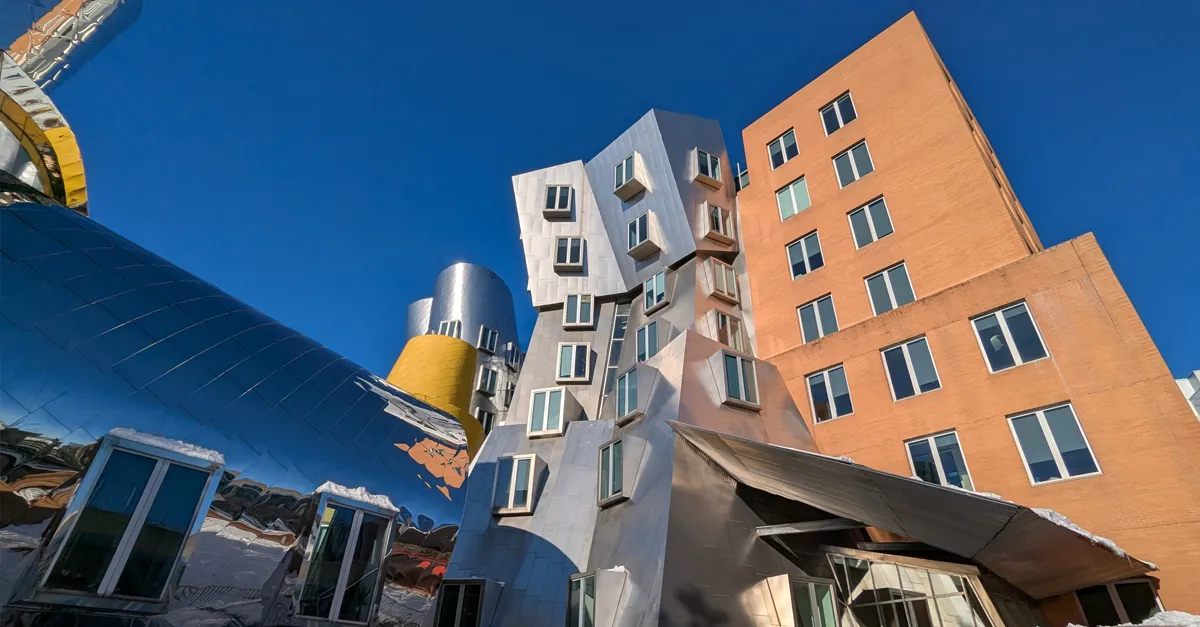
Boston, the birthplace of the American Revolution, is now home to the most innovative square mile in the world

Click here to download and save as a PDF
When the Sons of Liberty snuck on board a trio of ships in Boston harbour and tipped more than 340 chests of tea into the sea, lighting the fuse for the American Revolution, they could not have imagined that more than 250 years later, this city would be a skyscraper-filled centre of science and innovation.
Yet just a few miles away from that historic wharf in Cambridge, home of Harvard and MIT (Massachusetts Institute of Technology, pictured main), I’m standing by the building where arguably the biggest scientific breakthrough of recent years – sequencing the first human genome – took place.
It’s at the heart of the ‘most innovative square mile on the planet’, so called because of the concentration of science, biotech and computing research facilities centred around Kendall Square.
While the Boston Freedom Trail, which traces the history of revolution, is more established, this new Innovation Trail has been devised to show off a different side of the city.
We stroll along the Entrepreneur Walk of Fame, inscribed with names such as Steve Jobs and Bill Gates, go past Frank Gehry-designed buildings (pictured) and bike racks shaped like caffeine molecules, and hear tales of MIT ‘hacks’ (pranks) including hoisting a police car to the top of the university’s Great Dome.
As the US marks 250 years since the Declaration of Independence, it’s a fitting time to explore its many stories, whether they hail from the 18th century or the 21st.
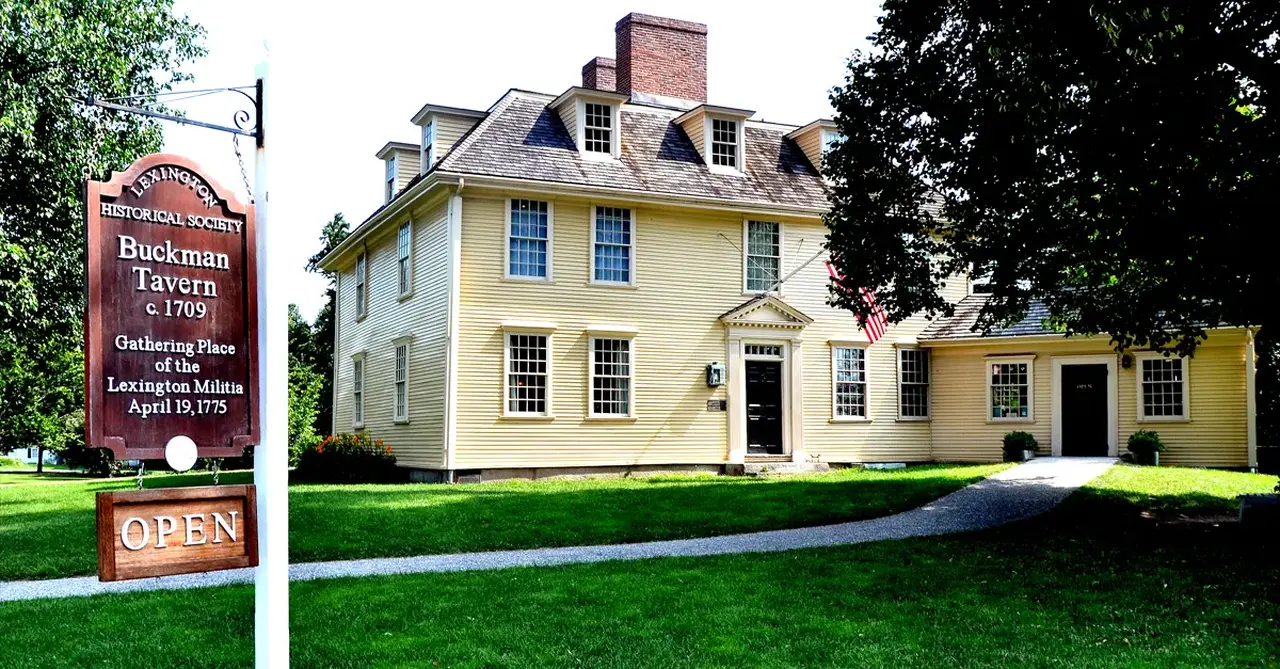
The Buckman Tavern, Lexington. Image credit: Bill Morson/Shutterstock.
Historic landmarks near Boston
My journey starts 15 miles away in the town of Lexington, where the first shots of the Revolutionary War – the ‘shot heard round the world’, in the words of Boston-born poet Ralph Waldo Emerson – were fired in April 1775.
Tour guide Nancy leads us from our base at The Inn at Hastings Park – a characterful Relais & Châteaux property made up of three 19th-century mansions – to Lexington Battle Green where the standoff began.
She recounts tales of Paul Revere’s midnight ride to rally the minutemen against the British troops and points out Buckman Tavern, now a museum, where local militia gathered to plot their next move.
The town’s role in the revolution, along with neighbouring Concord, is a clear source of pride – but this area was also a centre of culture and creativity, shaping the American imagination as much as independence shaped the country itself.
We pass the Orchard House where Louisa May Alcott wrote Little Women, while The Scarlet Letter author Nathaniel Hawthorne, writer Henry David Thoreau and poet Emerson all lived in Concord and are buried here at Author’s Ridge.
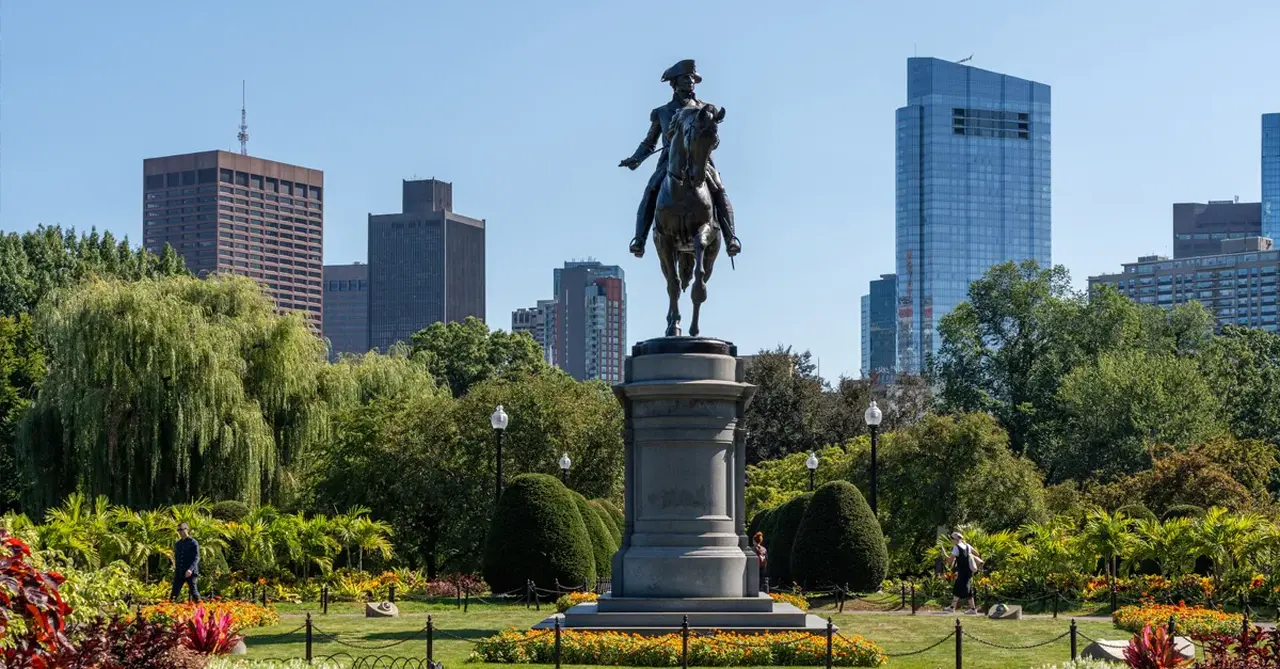
George Washington statue in Boston Public Garden. Image credit: Chalermpon Poungpeth/Shutterstock.
How to visit Boston’s Freedom Trail
Back in Boston, we pick the revolutionary story back up in Boston Common – the country’s oldest public park and the starting point for the Freedom Trail. This popular self-guided route is marked out with a red line stretching all over the city, taking in key landmarks from the struggle for independence.
But we’re here to test out a new tour from local nonprofit company Boston by Foot. The 90-minute Boston’s Loyalists route ($19) shifts the focus from the ‘patriots’ to the lesser-told tales of those who stayed loyal to the British crown.
Guide Tom Revay tells us about the family feud that erupted between Benjamin Franklin, one of the Founding Fathers of the new republic, and his son William, who pledged his allegiance to the crown and was imprisoned for treason as a result, never to reconcile.
“The American War of Independence is not often looked at as a civil war, but it did split families apart,” says Tom. The tour passes the Old State House, where Queen Elizabeth II addressed crowds from the balcony during her visit in July 1976 on the 200th anniversary of independence, and ends at Faneuil Hall, a building that predates even the revolution.
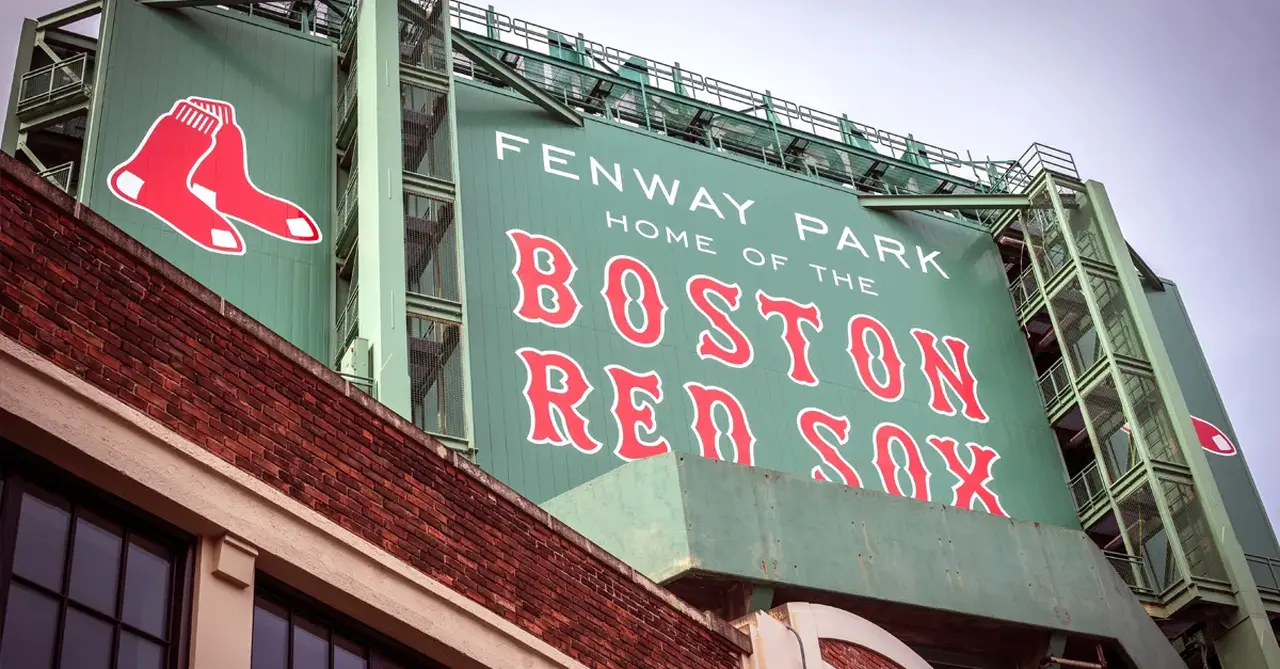
Fenway Park. Image credit: Marcio Jose Bastos Silva/Shutterstock.
Sports in Boston
It’s far from the oldest landmark in this history-filled city, but Fenway Park, home of Boston’s Major League Baseball (MLB) team the Red Sox, offers another insight into what it means to be a Bostonian.
The area has been more focused on the UK’s favourite sport recently, with the Boston Stadium in Foxborough hosting seven Fifa World Cup matches, but this ballpark is the birthplace of America’s national pastime. Built in 1912, it’s the oldest MLB stadium still in use, and has been graced by greats of the game such as Babe Ruth.
Tours cost $30 ($21 for under-12s) and offer fun insights for sports fans, including a walk through the players’ dugout, a look at the scoreboard that still has to be changed manually, and the single red seat in the bleachers where the ballpark’s longest-ever home run was hit.
It’s yet another American icon to add to the list in a city that has gone from revolution to innovation – and shows no signs of slowing down.
Book it
Globus Journeys’ 10-day Celebrating America: 250 Years Strong tour starts in Boston, with visits to Lexington and Concord and a guided tour of the Freedom Trail, before continuing to Connecticut, New York City, Philadelphia and Washington, DC. Prices start at £4,299, departing September 14, 2026, excluding flights.
globusjourneys.co.uk
Premier Holidays’ Boston Highlights break leads in at £349, including three nights’ room-only accommodation, a Boston CityPass and Tea Party Ships & Museum entry. Flights are extra.
premierholidays.co.uk
Insider insight

Michele Cota, executive director, Discover New England
“We’ve been celebrating America250 for a couple of years and have seen an increase in arrivals from the UK, Ireland and Italy. We had 255,000 UK visitors in 2025 – a rise of 1.1%. Our new Under Shared Skies partnership with southern Quebec aims to encourage cross-border travel.
It’s available via Jonview [which works with operators such as Kuoni and Discover North America], and we’re looking at how to do this with coach touring versions or the luxury market. We would love to work with agents to encourage winter getaways or shoulder season travel. There’s a window in August, just before fall foliage, when resorts offer better rates.”
Lead image: The Frank Gehry-designed Stata Center at Boston’s MIT. Image credit: quiggyt4/Shutterstock.





Jacobs Media is a company registered in England and Wales, company number 08713328. 3rd Floor, 52 Grosvenor Gardens, London SW1W 0AU
© 2025 Jacobs Media
