




You are viewing 1 of your 2 free articles
Q&A: Beno Atan, AmaWaterways' director for Colombia
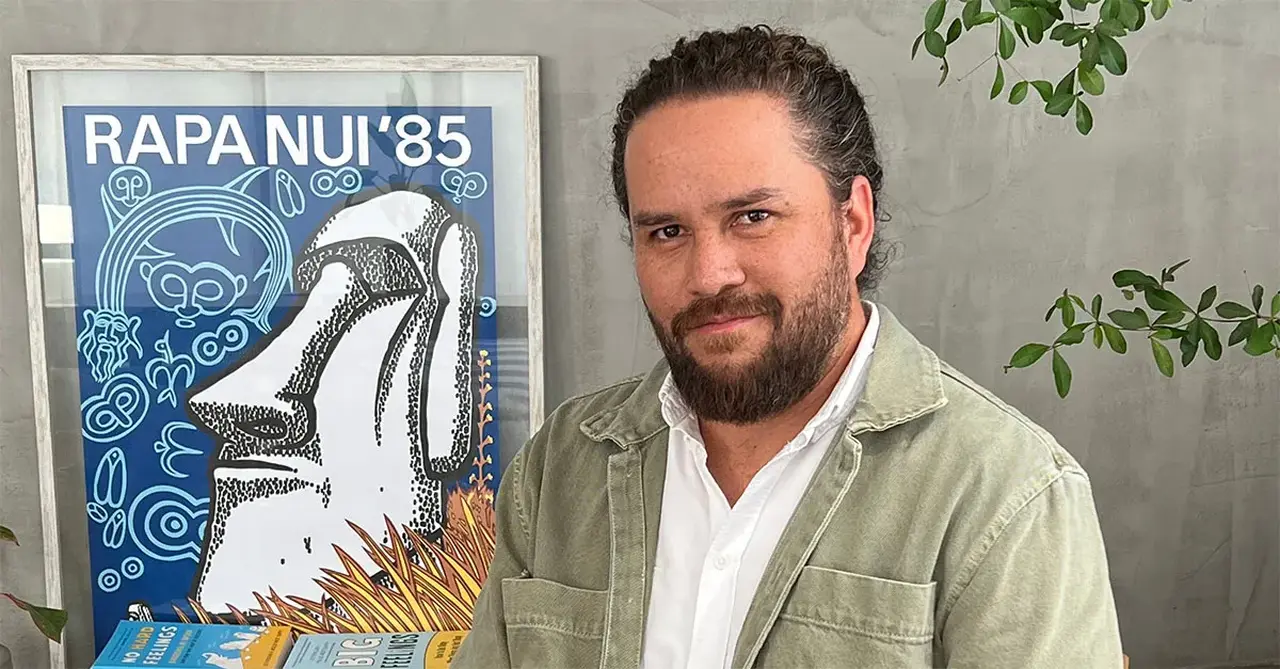
As AmaMelodia joins its sister ship in cruising the Magdalena River, the line’s Colombia chief talks about its impact on local people

Click here to download and save as a PDF
Q. How did you go from growing up in Rapa Nui (Easter Island) to working on AmaWaterways’ Colombia cruise programme?
A. I was invited by Rudi Schreiner and Kristin Karst, co-founders of AmaWaterways, to explore opening a new river for luxury cruising. After an extensive global analysis, the Magadalena stood out – a river rich in culture, music, biodiversity and history, yet untouched by this type of tourism.
I’ve spent five years scouting the river, building relationships with communities, overseeing shipbuilding, designing excursions and leading the start-up and operations on both ships.
Q. What’s new on AmaMelodia compared with AmaMagdalena?
A. AmaMelodia includes several guest-inspired upgrades, like more shaded outdoor space and a better sound system for lectures and music.
We’re also continuing to innovate, particularly in our curated onboard experiences around Colombian coffee, cacao, tropical fruits and rum – these have quickly become guest favourites.
Q. What have been the highlights so far?
A. The programme has generated an incredibly strong response, not only from our guests but also from the global river cruise industry. Destinations like Santa Bárbara de Pinto, Calamar and [San Basilio de] Palenque are often mentioned as the most authentic.
Palenque was the first free Black community in the Americas – its culture, music and language are unique. There’s also something magical about Mompox sunsets or seeing children bathe in the river and wave at the ship. It’s not one moment or place, it’s the soul of the river.
Q. What has been your most memorable moment?
A. There are many, but during one visit to a riverside town, an elderly woman said: “I never thought I’d live to see the world come to us.”
That moment captured the whole vision – the risk, effort and emotion behind what we’ve built. When I started, people called me ‘el loco del barco de papel’, or ‘the crazy man with the paper boat’. Now, those people wave proudly from the shore as we pass. It’s humbling.
Q. How have you worked with local communities to ensure tourism brings benefits to the area?
A. We’ve worked hand-in-hand with communities since day one. We didn’t just buy products, we helped build cooperatives so more families could participate. Guests might meet Doña Blanca, who runs the cheese co-op in Mompox, or Don Rafa, a farmer and storyteller in Santa Bárbara de Pinto.
Every excursion includes music, food and stories, not as performances but as real expressions of life on the river. The magic isn’t only in the itinerary – it’s in the rhythm, the people and the rediscovery of a river the world forgot.
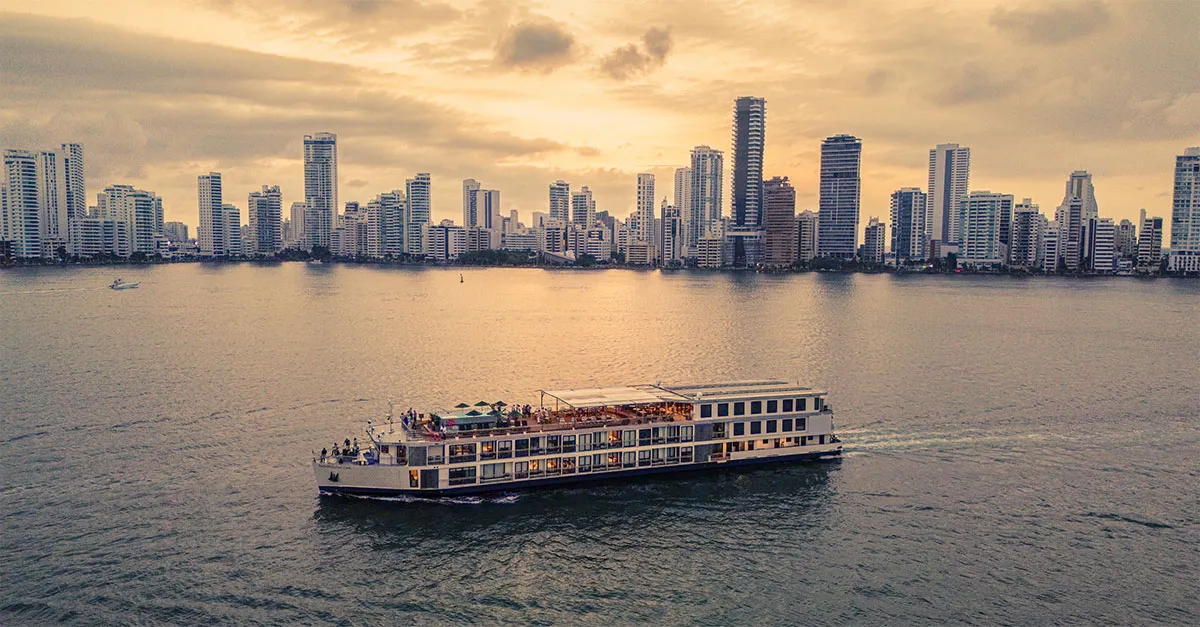
AmaMagdalena in Colombia




Jacobs Media is a company registered in England and Wales, company number 08713328. 3rd Floor, 52 Grosvenor Gardens, London SW1W 0AU
© 2025 Jacobs Media
