




How to visit Japan and beat the crowds
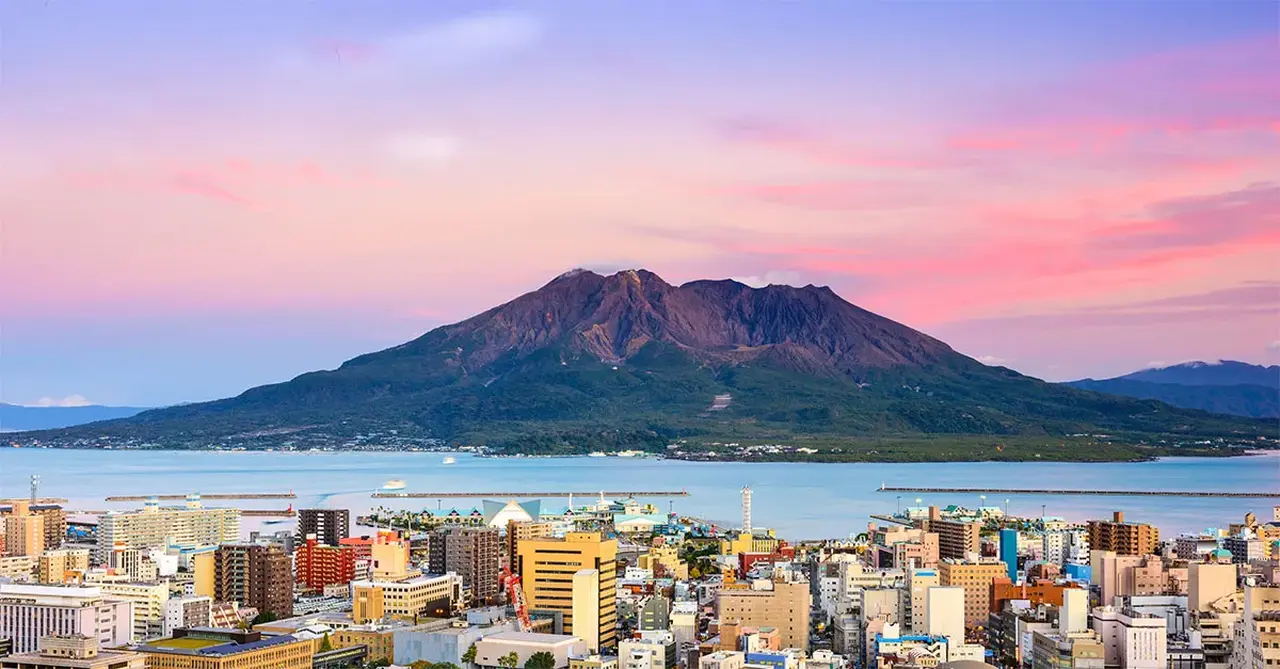
The Land of the Rising Sun is a star seller for guided tours – but how can clients avoid the crowds?

Click here to download and save as a PDF
What images do your clients conjure up when Japan comes to mind?
High-tech cities and pagoda-filled historic districts are likely to be top of the list. But with the country experiencing record tourism (almost 37 million international visitors in 2024, according to the Japan National Tourism Organization) and having an ambitious target to attract 60 million overseas visitors by 2030, the places along its well-trodden tourist trail may find themselves getting crowded.
With Japan featuring on so many wish lists, how can agents balance clients’ desire to tick off popular spots such as Tokyo and Kyoto with the benefits of going off the beaten track?
Yumi Takakubo, head of UK trade marketing and partnerships at the Japan National Tourism Organization, says: “Agents encouraging clients to visit lesser-known locations can start by participating in training, attending roadshows or subscribing to our newsletters as a way to build their knowledge.”
Lesser-known destinations in Japan
Earlier this year, InsideJapan Tours announced a new strategy to promote ‘undertourism’. It includes adding new tours and working with local organisations in five focus regions – Yamaguchi, Nagasaki, Toyama, Nagoya and Aomori – that receive only a small number of tourists but have the infrastructure and appetite to host more.
Kate Samuel, Japan tailor-made product manager at InsideJapan, says: “We suggest at least one or two of these places to fit within any trip, but they will probably end up being the highlight as they offer an undiluted version of Japan, rich in the culture and incredible people that make Japan so special.
For example, Nagoya sits between Tokyo and Kyoto and is often overlooked. Although an industrial city, it is the gateway to incredible samurai castles and beautiful towns.”
Another region that is growing in popularity is Kyushu, the southernmost prefecture in mainland Japan. The balmy island is home to fascinating cities such as Fukuoka, and boasts a fantastic ramen scene.
To capitalise on growing interest, Asia specialist operator Wendy Wu Tours has recently introduced a Hidden Japan: Spirit of Kyushu trip.
Head of trade sales Gary King says: “This tour makes it easy – and exciting – to explore the country’s untapped south, from the bubbling hot springs of Beppu to the dramatic volcanic landscapes of Mount Aso. It’s ideal for clients who want something different but feel unsure about venturing beyond the well-worn path. A fully inclusive tour removes every obstacle – from transport to cultural barriers – giving agents the confidence to sell Kyushu as a seamless, enriching alternative.”
Off-season Japan
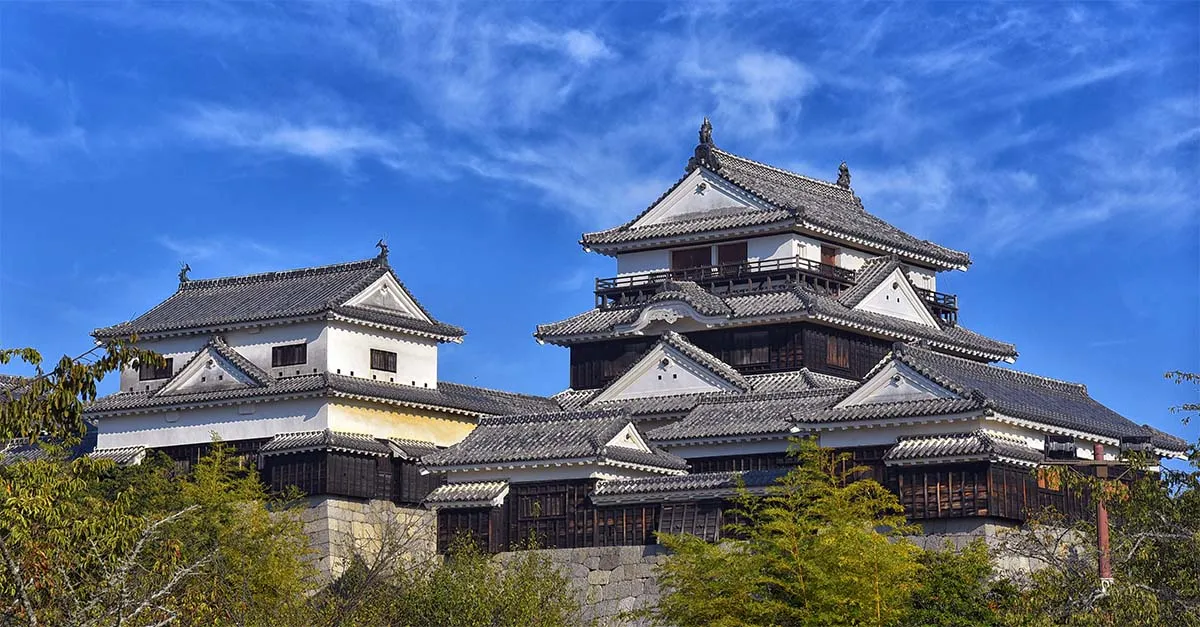
Matsuyama castle. Image credit: Shutterstock/shutteroly
The high season in Japan is defined by what’s on the trees: pale pink cherry blossoms from March to mid-May and the fiery red maple leaves of autumn mark the country’s tourism peaks.
If clients are determined to see Japan’s top attractions but also want to avoid the crowds, the low season typically falls from January to March. Mixing stays in the main cities with visits to snowy peaks, skiing and soaking in steamy onsen (hot springs) is a fabulous way to sell a winter getaway.
However, if that time of year gets a frosty reception, Japan’s rainy season from June until mid-July can be a quieter and cheaper time to go. Although the weather is humid, dry days are common.
Tour prices also come down during the height of summer, which is ideal if clients have school-age children.
Slow travel in Japan
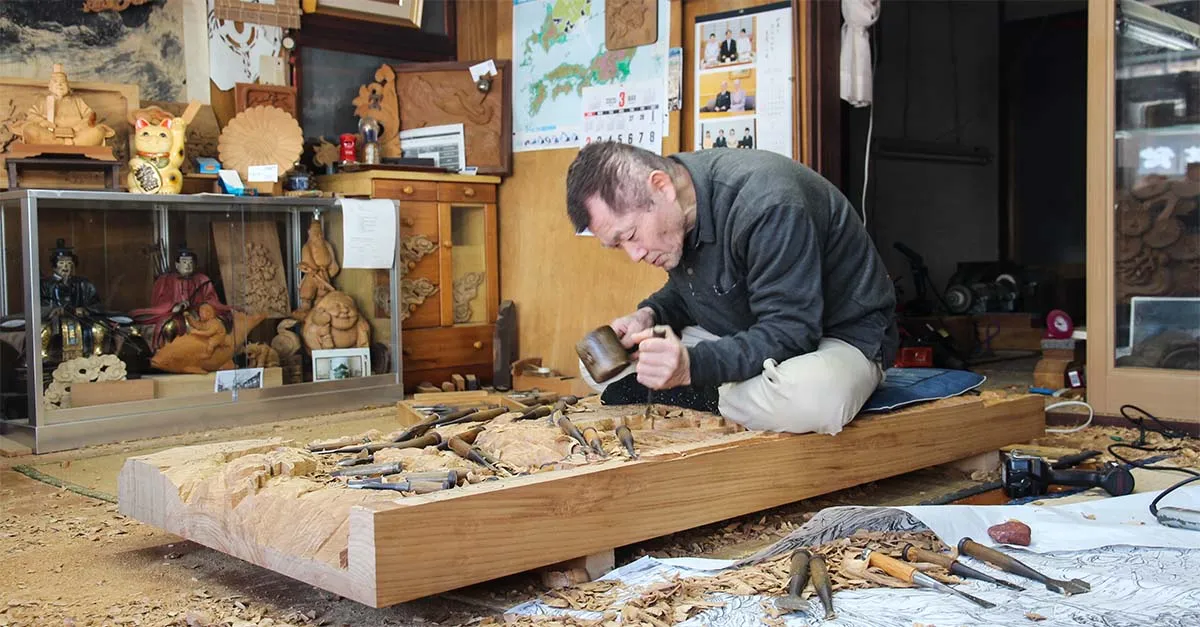
A craftsperson in Inami. Image credit: InsideAsia Tours
Tours using alternative modes of transport to explore rural villages and less-visited areas also help avoid busier spots.
Exodus Adventure Travels, for example, features a selection of tours that invite clients into the heart of the Japanese countryside, either by walking old pilgrimage routes such as the Nakasendo Way or by using pedal power.
Emma Garrick, senior product and commercial manager at Exodus, says: “With our Cycling in Japan trip, agents can offer a seamless way to explore rural gems with local guides at a slower pace, like the coastal villages past Kanazawa or the thatched farmhouses in Shirakawa-go.
As each trip is accompanied by an expert guide and a support vehicle, agents can reassure their clients that though the tour provides a challenging ride, it comes with support.”
For clients who want to blend big cities with less travelled areas, itineraries like these are a good solution. Such tours typically begin or end in Tokyo, Osaka or Kyoto – with a full day allowed for exploring the famous landmarks in those cities, from serene Shinto and Buddhist shrines to bustling streets illuminated with vibrant neon – before clients board buses or local trains to go off-piste.
When it comes to experiencing Japan, bigger doesn’t necessarily mean better.




Jacobs Media is a company registered in England and Wales, company number 08713328. 3rd Floor, 52 Grosvenor Gardens, London SW1W 0AU
© 2025 Jacobs Media
