




You are viewing 2 of your 2 free articles
How to make a holiday more sustainable

Making a trip more sustainable can feel like hard work, but small swaps can combine to make a big difference

Click here to download and save as a PDF
Demand for travel is higher than ever – UK residents made a record 94.6 million trips abroad in 2024, according to the Office for National Statistics. Yet it comes at a cost to the planet, with travel and tourism responsible for 7.3% of global greenhouse gas emissions, based on data from the World Travel & Tourism Council.
Here, agents can play a valuable role, informing clients how to make their travel more sustainable without compromising on enjoyment. We spoke to a range of industry leaders to get their tips on booking more environment-friendly trips.
Best times to visit popular destinations

Visiting Dubrovnik at sunset
This year has seen tourism-related protests in Spain, Italy and Portugal, with residents concerned about overcrowding and rising prices for housing and food. To combat the strain that peak season can put on a popular destination’s resources, suggest lesser-known spots where clients can enjoy a quieter experience.
The villages of Emilia Romagna boast equally gorgeous scenery and tasty Italian cuisine as more-popular Tuscany, while smaller cities such as Jerez in Spain and Coimbra in Portugal offer city sightseeing at a more relaxed pace.
As well as offering an original experience that shares the benefits of tourism with smaller communities, staying away from big-hitters can reduce the cost – one of the biggest barriers to choosing sustainable options.
If clients are still keen on visiting the main sights, there are ways to do so while lessening the impact. Travelling in shoulder seasons is on the rise: Advantage Travel Partnership revealed that bookings for travel in September and October are up 20% year on year.
Even timing visits to top attractions can help reduce the impact of tourism – and give clients more space to savour the sights. Carrie Grant, Intrepid Travel’s UK and Ireland head of partnerships, says: “On Intrepid’s Premium Venice to Dubrovnik tour, clients visit sites like the Dubrovnik City Walls not during peak hours but in the evening, when there are fewer crowds and the weather is cooler.”
Environmentally friendly transport options
Flying accounts for the largest share of a trip’s carbon emissions, but it can also be one of the most difficult components to avoid.
However, there are tweaks agents can make to mitigate aviation’s impact: use tools on platforms like Google Flights and Skyscanner to understand how much a flight’s emissions stack up, and pick the most fuel-efficient options. Travelling with cabin baggage only will also reduce the amount of fuel used, and picking non-stop flights reduces emissions at take-off and landing.
But to make a real difference, ask clients to consider how often they need to fly. Ian Corbett, Tui’s group head of sustainability, says: “Taking fewer, longer trips typically performs better emissions-wise than several short breaks. [Non-stop] flights are generally more efficient than connecting ones, and travelling in economy results in a lower per-passenger footprint.”
Clients may think the only no-fly holidays available are close to the UK, but coach operators such as Shearings, Leger Holidays and Just Go Holidays sell trips to sunny spots including Croatia, Italy, Spain and even Greece.
If your client has time to spare, days spent travelling can be part of the adventure and coach travel is around five to six times lower in carbon emissions per passenger than flying.
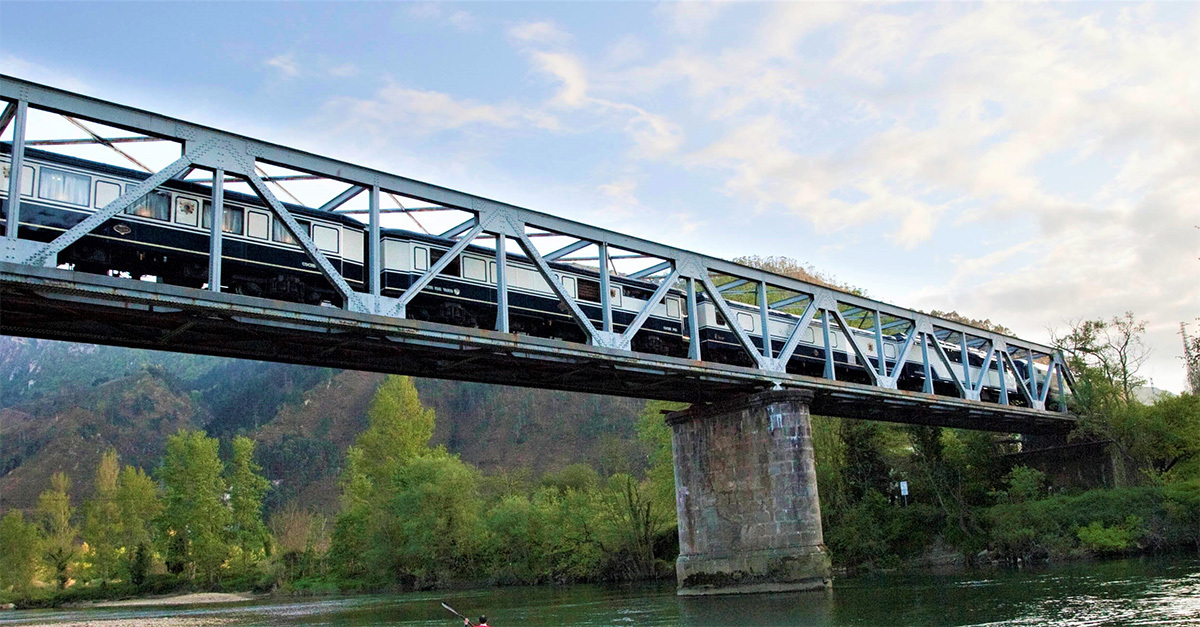
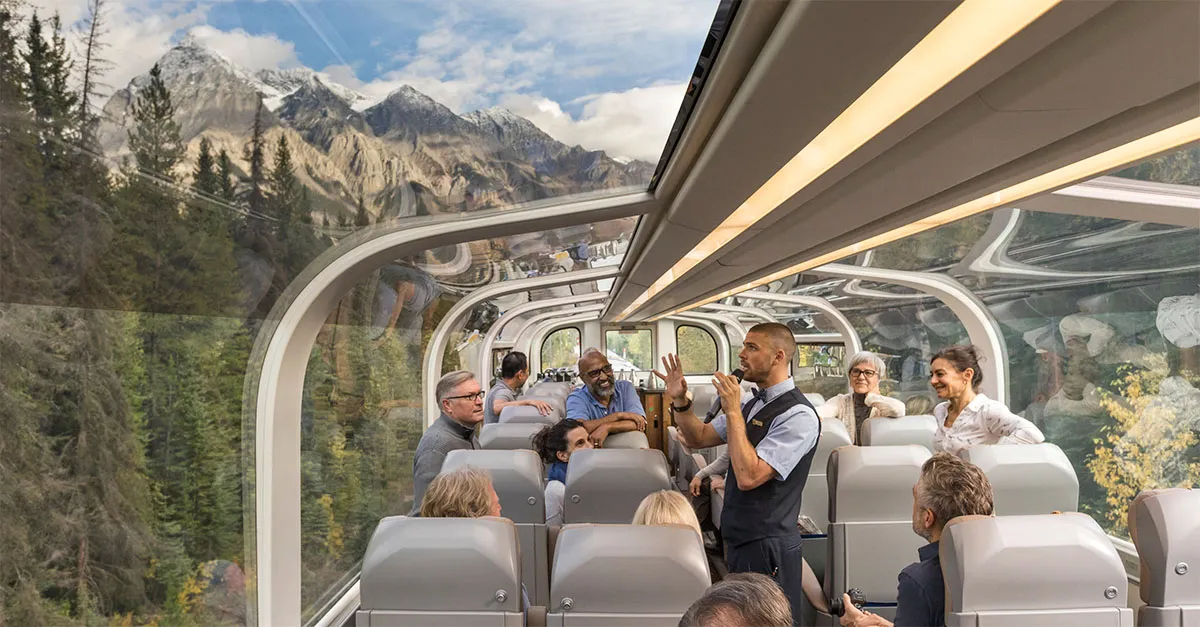
Meanwhile, a number of European Sleeper trains launching in 2026 – including Paris to Berlin and Brussels to Barcelona – mean more destinations will be accessible in less than 24 hours from London.
Paul Conroy, head of partnerships at Byway, says: “Replacing short-haul flights with high-speed trains helps travellers make the most of their time, while visiting multiple destinations in one trip. Many routes rival flying for time and value once check-in, delays, security lines and transfer costs are factored in.”
Sustainable cruise
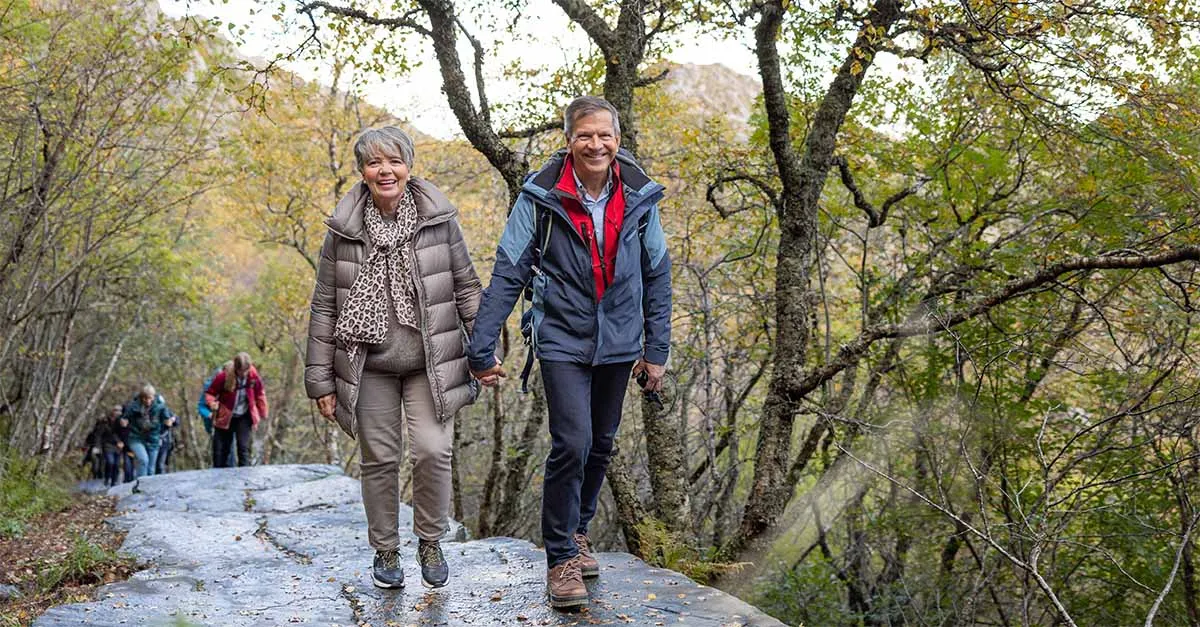
A couple walking on a Hurtigruten shore excursion. Image credit: espenmills.no
Cruising is often criticised for its environmental impact, but many lines are working to reduce emissions, waste and damage to ecosystems.
In October, Hurtigruten completed its first carbon-neutral voyage on a battery-hybrid ship, powered by biofuel. UK sales director James Howlett says: “I encourage agents to invest time in understanding each line’s sustainability credentials and to feel confident raising questions or challenges. Look for independently judged awards and third-party recognition, which require robust evidence and high standards.”
Travelling on smaller ships that ply popular routes, such as around the Greek islands or Caribbean, is an easy switch-sell for climate-conscious clients.
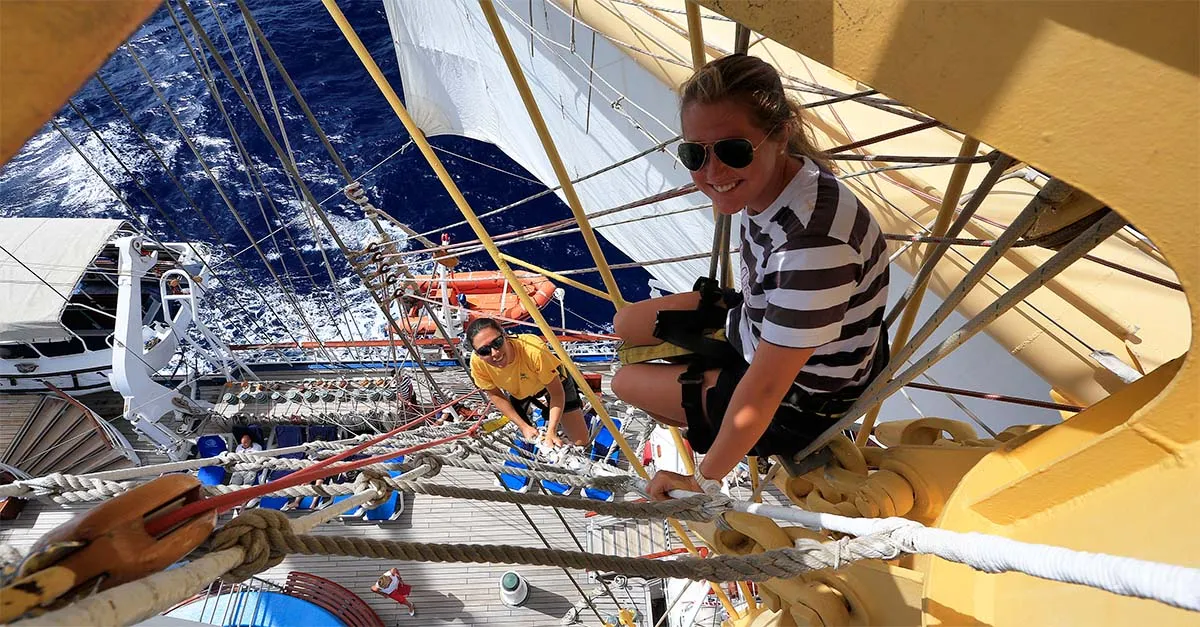
Climbing the rigging on a Star Clippers cruise
Star Clippers claims its ships are powered solely by wind up to 70% of the time. Nicola Cox, head of trade sales, says: “Suggesting a smaller sailing as an alternative can be daunting, especially if clients are used to the activities and amenities on bigger ships.
However, what we lack in casinos and theatres, we make up for in hands-on activities and the ability to reach smaller ports of call. Our repeat guest rate is 70%.”
Sustainable places to stay
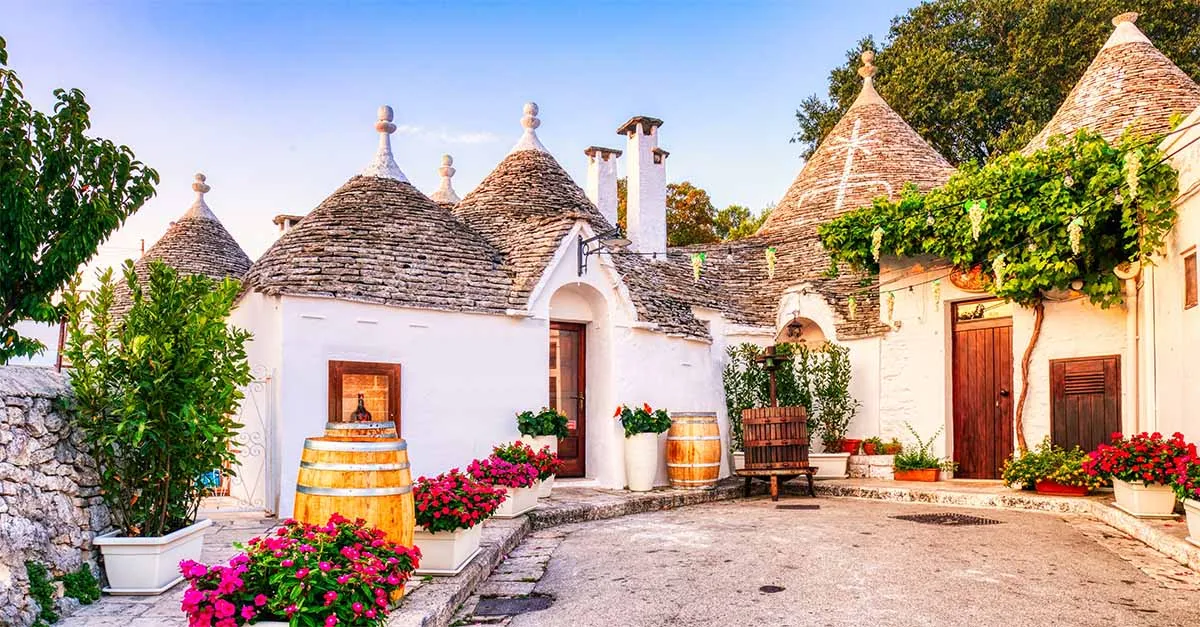
Traditional trulli houses in Italy. Image credit: Shutterstock/RomanSlavik.com
When researching accommodation, suss out sustainability pages online.
A recognised certification from an independent assessor such as Travelife, EarthCheck or Green Key is a key thing to look out for, but agents can also get a feel for a brand’s sustainability commitments by seeing whether it collaborates with the local community, participates in rewilding projects and has recycling solutions for food, water and other materials.
Sustainable hotels don’t have to be boutique retreats – some large hospitality groups have ambitious environmental goals. Accor, for instance, aims to have all of its 5,700-plus hotels eco-certified by the end of 2026. Iberostar is also on an ambitious decarbonisation strategy and reduced its food waste going to landfill by 56% from 2021-24.
At the other end of the scale, staying small makes a difference environmentally and ecologically. Tony Flanagan, sales and product director at Magari Tours, says: “By using traditional trulli in our Puglia programme, we help to preserve historical houses. Our supplier runs a trattoria a few minutes’ walk away that uses local produce, some grown in his own garden.”
Eco-friendly escorted tours

A G Adventures tea tasting experience in Cairo. Image credit: Shereen Mroueh
A small-group tour can be a more sustainable alternative to other multi-centre holiday styles.
Kelly Walker, UK, Europe and Ireland sales director for TTC Tour Brands, says: “Agents can prioritise low-emission public transport and choose operators who partner with locally owned businesses and support social and conservation initiatives.”
These can be selling points as well, because they give clients access to projects that people travelling independently are rarely able to experience – G Adventures and its non-profit partner Planeterra are aiming to incorporate 300 social enterprises into G Adventures’ small-group tours by the year 2030.
For many clients, sustainability goes hand in hand with authentic travel experiences. Brian Young, G Adventures’ EMEA managing director, says: “It’s about matching travellers’ passions – whether that’s animal welfare, protecting Indigenous rights, empowering women or tackling the climate crisis – with companies doing work in those areas.
Agents should remind their clients that community tourism experiences like sharing a meal with a local family don’t just make a trip more memorable – they create real connections and lasting positive impact for everyone involved.”
Book it
Intrepid Travel has a 10-day Paris to Rome by Rail trip from £2,457, based on an April 1 departure. Includes breakfast, transport, listed excursions and one lunch.
intrepidtravel.com
Star Clippers’ 15-night Southern Spain by Rail and Sail costs from £4,619, based on an April 4 departure. Includes a pre-cruise tour of Seville, Cordoba and Granada (with B&B accommodation) plus nine nights’ full-board cruise, transfers and flights.
starclippers.co.uk
Byway’s six-night Lille, Amiens and San Quentin itinerary costs from £715, based on an April 2 departure. Includes all travel and breakfast daily.
byway.travel
Top tips for booking sustainable travel

Tim Williamson, customer director, Responsible Travel
“Some destinations are fantastic for locally sourced, vegan cuisine – can you introduce a plant-based restaurant to the itinerary, or even meet local producers for a tasting?”

Ian Corbett, head of sustainability, Tui
“Certain countries are investing heavily in sustainability, such as Costa Rica, which generates more than 98% of its electricity from renewable sources.”

James Howlett, UK and emerging markets sales director, Hurtigruten
“Sustainability spans the entire journey – not just the fuel used, but also efforts to cut food waste, create local value and curb overtourism.”
Ask the agent

Julie Breckon, founder, Earthwise Travel
“Genuine sustainability is about smarter choices, not hardship. Certified hotels often run more efficiently, which can lower operating costs, and many luxurious properties now lead the way in renewable energy, waste reduction and community investment. It’s a misconception that sustainable swaps are inconvenient.
In reality, they’re often invisible. Choosing a resort that treats its staff well, protects ecosystems or sources food locally doesn’t change the guest experience – it enhances it. As agents, we can make a difference by guiding clients towards credible certifications, transparent reporting and suppliers who back their sustainability policies with measurable action.”
Lead image credit: Byway




Jacobs Media is a company registered in England and Wales, company number 08713328. 3rd Floor, 52 Grosvenor Gardens, London SW1W 0AU
© 2025 Jacobs Media
