




Safer Tourism Foundation warns of ‘surge’ in heat-related illness

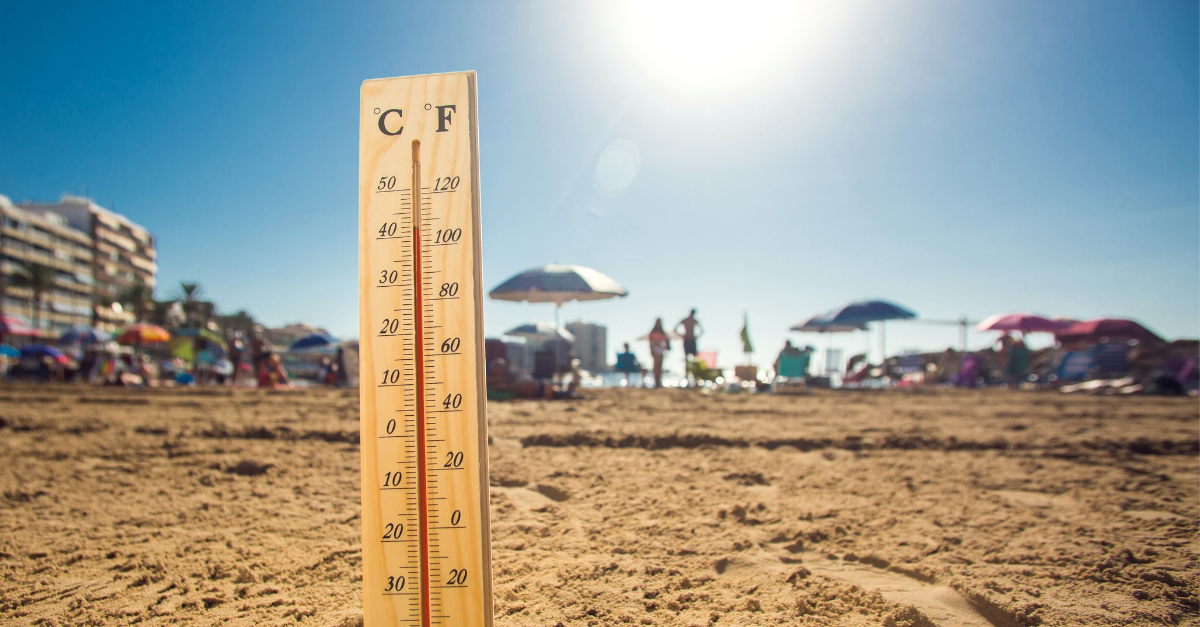
The Safer Tourism Foundation has warned that rising global temperatures and an ageing travel population are creating a “new risk landscape” for agents and operators.
The “surge” in heat-related illness is highlighted in the charity’s annual Travel Behaviour Risk Index which combines the industry’s safety incident data and consumer research.
The index also reveals that reported safety incidents have risen 15% from 2023 to 2024, showing an increased likelihood of travellers experiencing an incident on holiday.
The likelihood of an incident for a UK traveller overseas rose from 1 in 263 to 1 in 217 trips – influenced by both actual rises in incidents and stronger reporting mechanisms across the sector.
Gastric illness remains the top reported incident type for travellers, making up 39% of all reported incidents. Slips, trips and falls follow at 16%, with more serious impacts for older travellers.
Reporting the “surge” in heat-related illness, the charity noted that one in four UK travellers said they have suffered a heat incident abroad – yet 30% took no preventative action, even having experienced heat-related illness.
Food allergy incidents increased by 14% between 2023 and 2024, aligning with wider public-health trends.
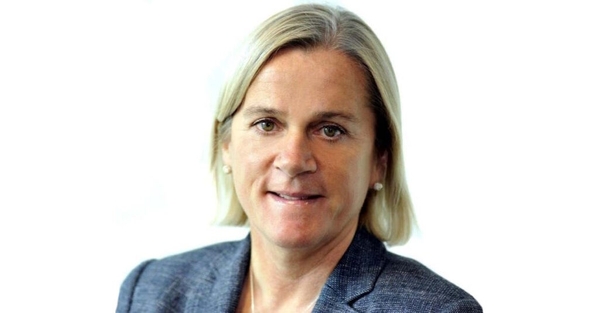
Katherine Atkinson, chief executive of Safer Tourism Foundation, said: “There is a new, more complex risk landscape emerging, with rising heat and an ageing travel population leading to new challenges for travel operators and agents.
“While many travellers tell us that safety plays a major role in their destination selection, its importance decreases as they choose their holiday activities and in their pre-trip prep.
“And once people are on their travels, we are still seeing the ‘Holiday Head’ in action, with traveller confidence leading to continued mismatches between travellers’ capabilities or experience and their chosen activities.”
However, despite the rise in reported incidents in 2024, she said there is “a silver lining” as there are better reporting mechanisms across the travel sector, leading to more travellers being able to share their experiences.
“Robust reporting gives us a more accurate picture of what is going wrong for travellers and means we can design more targeted interventions to lower risk and prevent harm,” she added.
The index is based on anonymised safety incident data from travel operators representing more than 10 million annual UK trips, combined with a nationally representative survey of 2,000 UK adults.
It also highlights the positive impact of the Safer Tourism Pledge, with partner organisations demonstrating improvements in areas such as CO alarms in accommodation, reduced bike accident rates, and significant reductions in slip/fall incidents following infrastructure and safety briefing updates.
Atkinson added: “Safety should never be a competitive issue. It’s an area where collaboration does not dilute commercial advantage – it strengthens the sector for everyone, including in the communities we all visit that are often dependent on tourism.
“We’re calling on more operators, insurers and data partners to join the Pledge and help build the evidence base and shared solutions needed to keep travellers safe.”












Related Content







Jacobs Media is a company registered in England and Wales, company number 08713328. 3rd Floor, 52 Grosvenor Gardens, London SW1W 0AU
© 2025 Jacobs Media
