




You are viewing 1 of your 2 free articles
Our guide to Boa Vista, Cape Verde's peaceful island
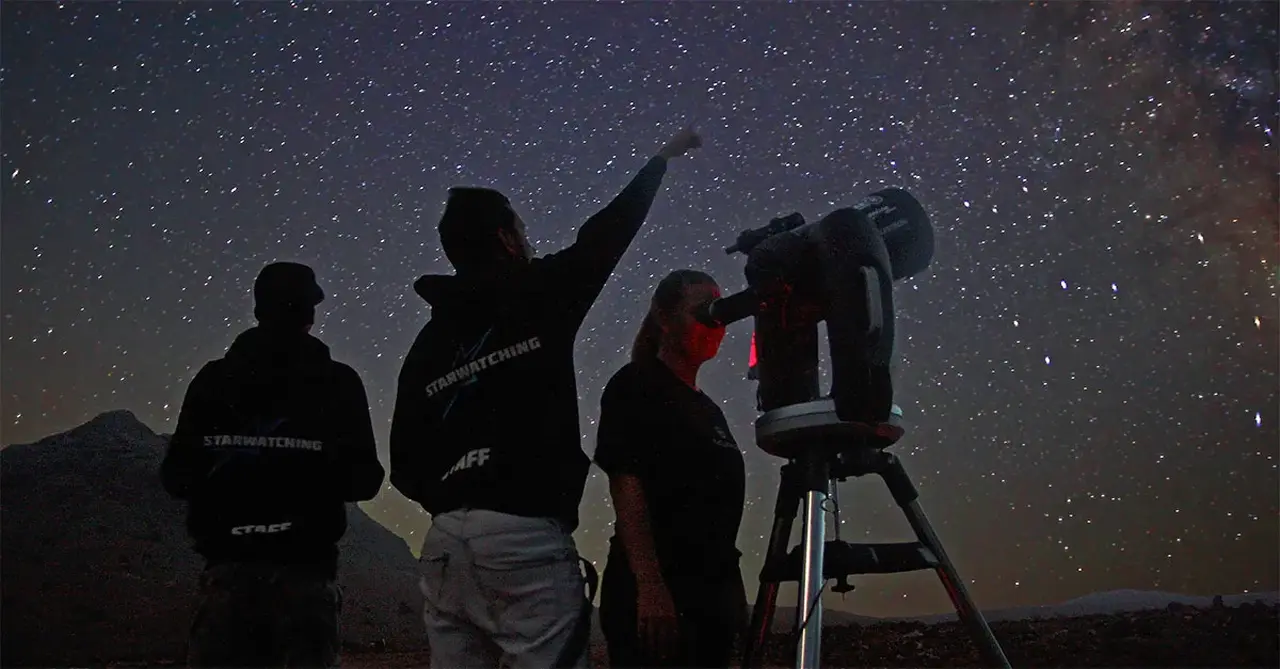
From stargazing to sand dunes, Cape Verde’s quieter island of Boa Vista offers plenty of reasons to skip the sunlounger

Click here to download and save as a PDF
Stepping out of the warmly lit restaurant, I’m engulfed by darkness. The surrounding desert dunes that stretched as far as the eye could see when we arrived just before sunset have been swallowed up by an inky expanse, with hardly any light to interrupt the vast night sky.
Then I look up. As my eyes adjust, and with stargazing guides on hand to help, the tiny white pinpricks of clusters and constellations begin to shine brighter than ever.
We peer through a high-powered telescope at the rough, crater-filled surface of the moon then spy Jupiter shining in reflected light, before following our expert guides over the dunes of the Viana Desert to a spot well away from even the gentle glow of the restaurant.
We spread out blankets and lie back, nothing but billowing sand dunes around us and the dark sky sparkling with stars above. Here, Cape Verde’s remoteness really becomes clear.
Why visit Boa Vista?
A beach in Boa Vista, Cape Verde. Image credit: Shutterstock/Marso
This scattering of Atlantic isles 350 miles off the coast of West Africa is about as far from any light pollution as it’s possible to be. It might have come to many people’s attention only recently, when the football team for this tiny country of half a million people qualified for its first Fifa World Cup, but it’s long been on the radar for sun seekers in search of good value.
Tiny as they are, these 10 volcanic islands have played an outsized role in world history, drawing Portuguese traders to their shores since the mid-15th century. The archipelago remained under European rule until it established independence in 1975, celebrating its 50th anniversary last July. “Now, we feel like Africans,” says tour guide Paulo Lima, who hails from São Vicente island.
Hints of this heritage remain, with Portuguese still the official language, although Cape Verdean Creole is more widely spoken. Most tourists head to Sal, home of sandy beaches and well-priced hotels, but I had opted for quieter Boa Vista.
Last year, Tui added a non-stop flight from East Midlands to the island, operating twice a week in summer and once in winter, in addition to its direct Gatwick service.
Activities on Boa Vista
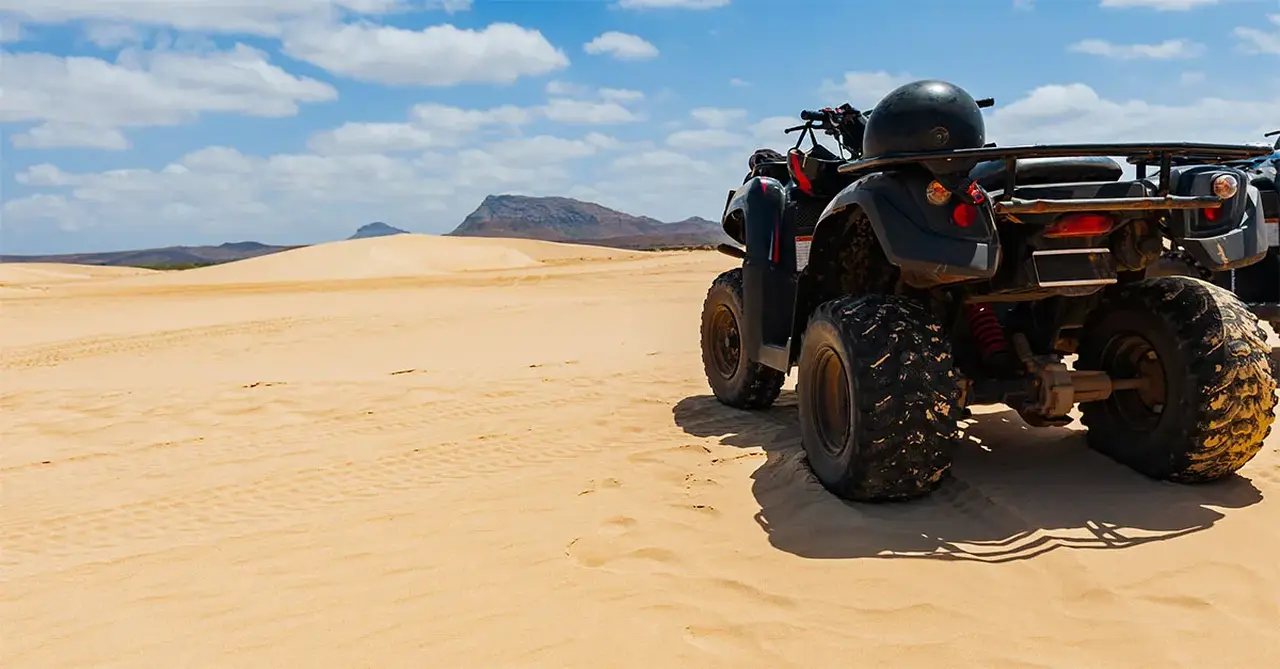
A quad bike in Boa Vista’s Morro de Areia Nature Reserve. Image credit: Shutterstock/Marso
That quiet side is never more evident than on Santa Monica Beach – named after its California counterpart – a seven-mile stretch on the island’s southwest coast that is entirely deserted as I arrive.
My footprints are the only ones dappling its golden sands, though there must have been a few people passing through as a small beach bar with pumping tunes is doing a decent trade in cold Strela beers.
Sand is a common sight on this island, with mile after mile of undulating dunes that drifted over from the Sahara. We quickly run out of road on the island’s so-called ‘Route 66’, and instead bump up and down its sandy tracks in a 4x4, passing by quad bikers revving their way over the banks.
Perhaps the most exciting way to experience these steep inclines is by surfing down them, with sandboarding opportunities at the vast dunes of Morro de Areia Nature Reserve. I’m a scaredy-cat when it comes to speed, but the squeals of delight as fellow guests skimmed down the slopes were a promising sign, even if they were emptying out shoefuls of sand as they came back.
Boat trips in Boa Vista
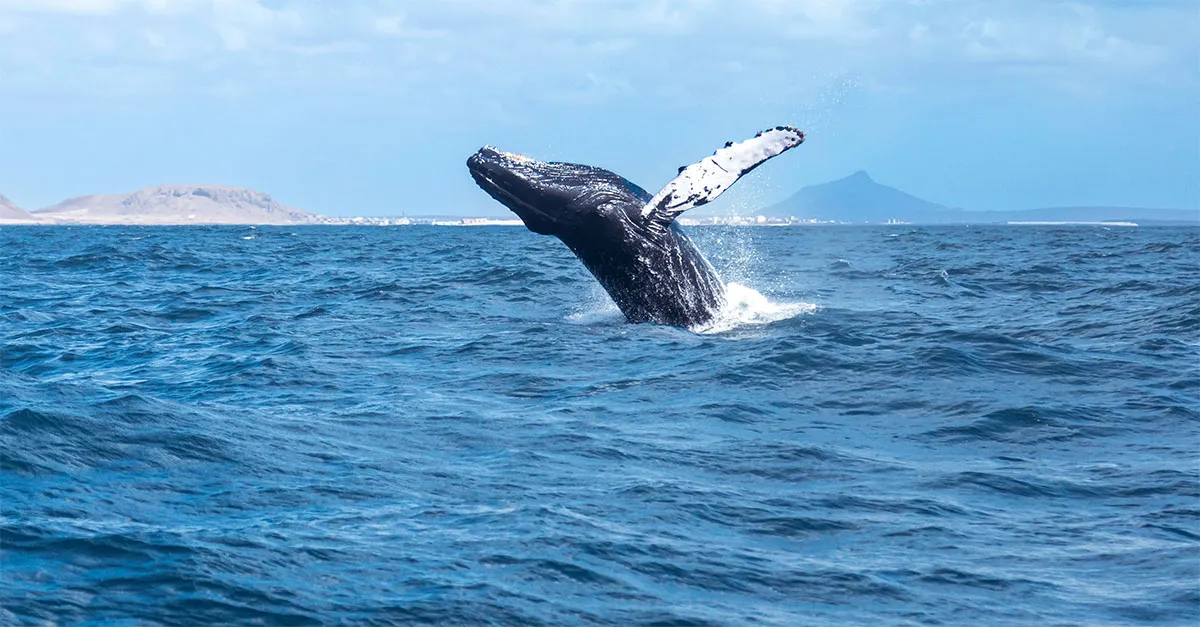
A whale in Cape Verde. Image credit: Shutterstock/Alicja Magdalena Wojcik
The windswept winter season is also the peak time for Cape Verde’s array of watersports. The brightly coloured sails of windsurfers, kitesurfers and even a few hydrofoils ply the waves, making the most of those powerful tradewinds.
For travellers arriving as the winds die down in spring, however, there are other natural draws: humpback whales pass through these waters during their March to May breeding season; July to October brings five types of turtles to nest on shore; and bottlenose and spotted dolphins can be seen year-round.
Sightings are never guaranteed, which I discovered on a planned whale-watching tour that turned into more of a gentle catamaran cruise around the islands when the whales stayed far below the surface. But as I kicked back on the nets at the front of the boat, bright blue sky overhead and sea spray frothing below, it wasn’t hard to see how Boa Vista – Portuguese for ‘beautiful view’ – lives up to its name.
Book it
Tui offers seven nights at 5T-rated Riu Palace Boavista, all-inclusive in a Double Room with balcony or terrace, from £1,254 per person, based on two sharing, including 20kg luggage, transfers and flights from East Midlands on March 4. The same trip departing on September 23 from Gatwick starts from £1,218. Full-day 4x4 island tour from £86; Desert Delight stargazing from £60, including dinner; sandboarding in Morro de Areia from £26; whale-watching cruise from £77.
Attractions in Boa Vista
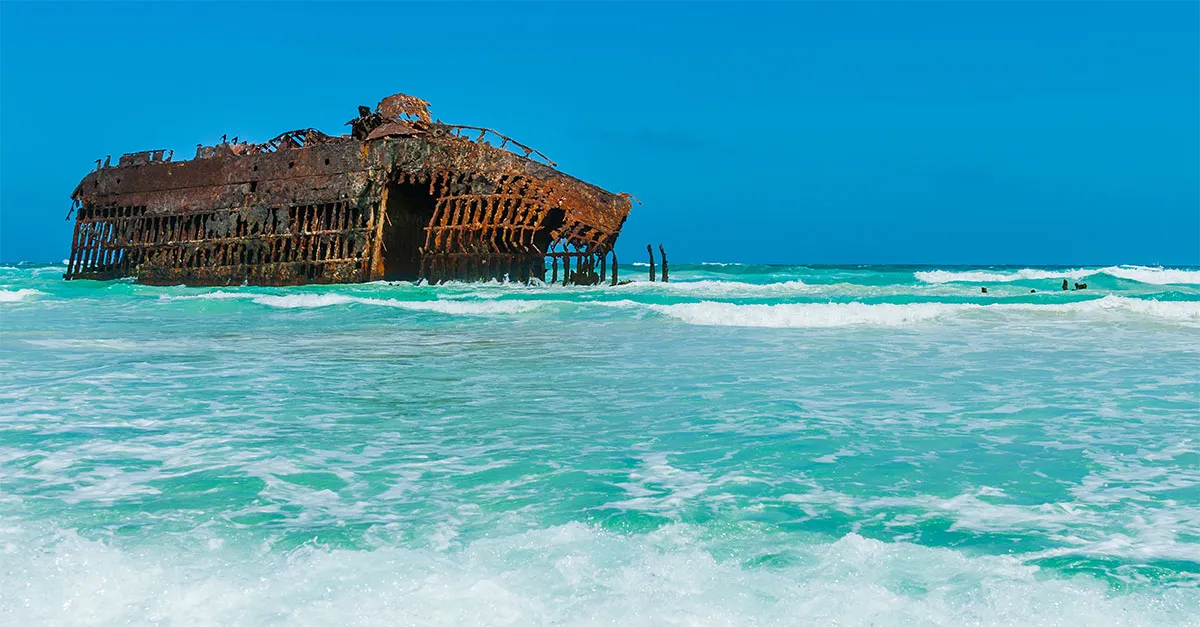
Cabo Santa Maria shipwreck
This Spanish cargo ship ran aground in 1968. It has been slowly disappearing into the sea, but remains visible off the shores of Praia de Atalanta.
Olaria de Rabil
João Morais was hard at work as we arrived in this family-run pottery shop, which has been crafting everything from tiny turtle-shaped souvenirs to clay tiles and amphora for 40 years.
Morabeza Beach Bar
On pretty Estoril beach, this chilled-out lounge and restaurant offers dining and drinks with sand between your toes and sunset parties to rival any on the island.
Where to stay in Boa Vista
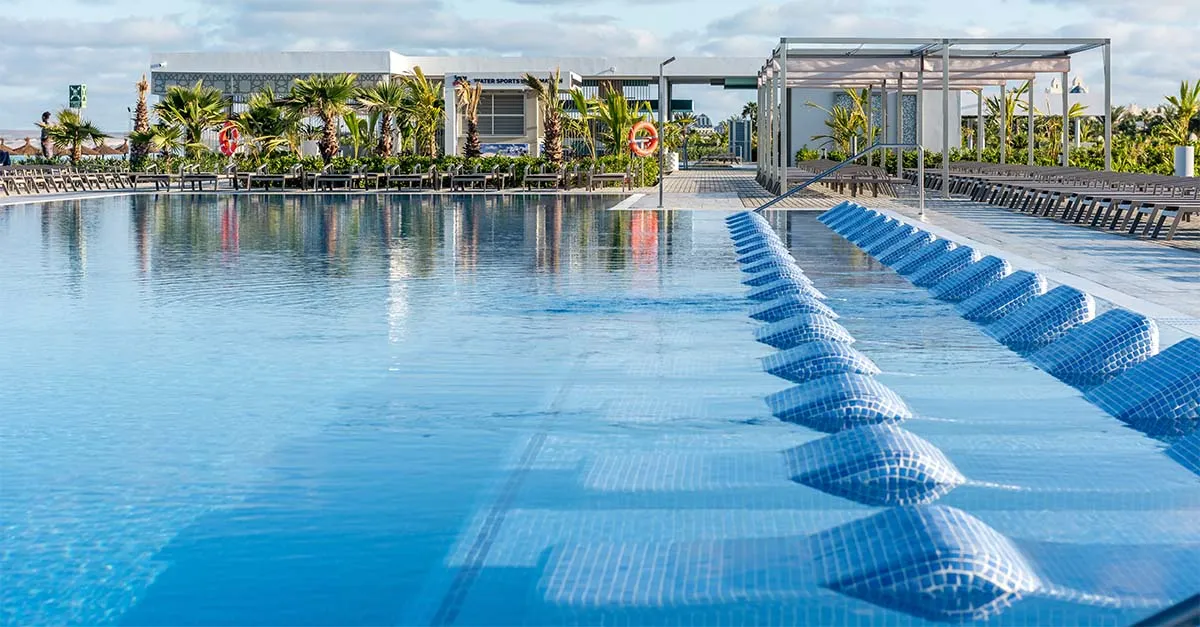
Riu Palace Boavista
This 505-room resort sits on the wide, sweeping sands of Praia das Dunas, a palm tree-dotted beach edged by the wild waves of the Atlantic.
Its contemporary interiors offer a bright, breezy stay with rooms featuring either a balcony or terrace, drinks dispenser and minibar, including two-bed family options and swim-up pool upgrades. Hop in one of its three pools to sip a drink from a swim-up bar, work out with water aerobics or kick back on its sunken sunloungers (pictured above), with a separate kids’ pool and club for little ones.
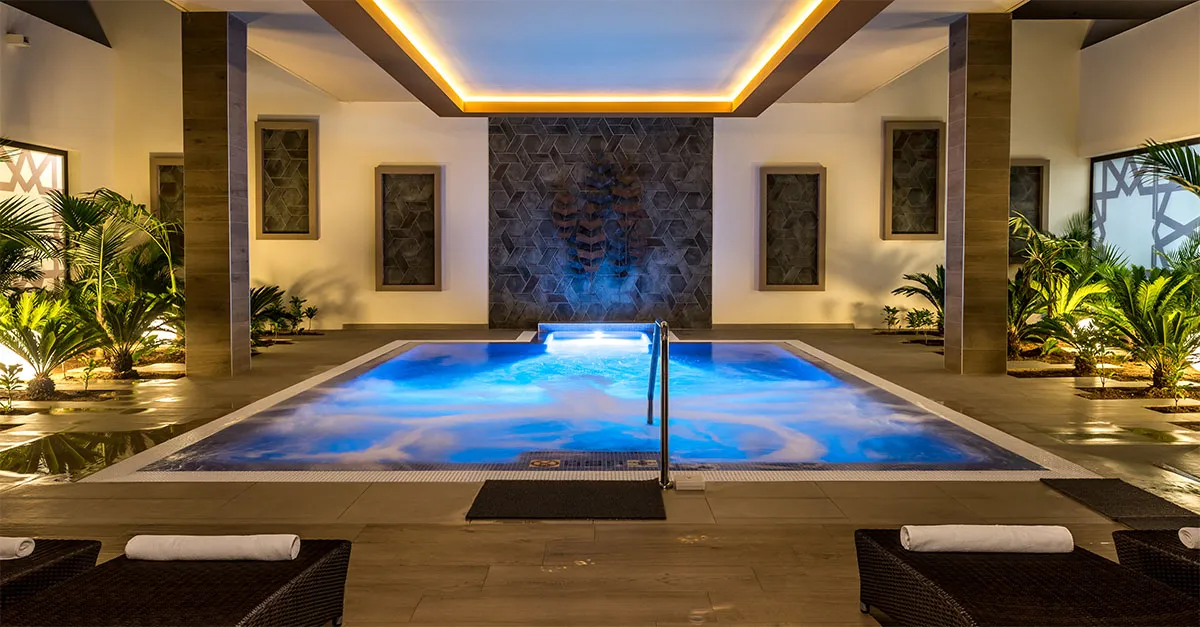
There’s even a water park with terrifyingly tall waterslides, or a tranquil spa with jet pool (pictured below) for those who like their thrills a little more lowkey.
Three à la carte eateries – a steakhouse, Japanese and Med-fusion restaurant – are included in the package (with reservation) along with the main buffet, though dining choice and quality were lacklustre at times. But with capital Sal Rei just 15 minutes away, it’s well placed for island exploring.
riu.com
Lead image credit: Tui










Jacobs Media is a company registered in England and Wales, company number 08713328. 3rd Floor, 52 Grosvenor Gardens, London SW1W 0AU
© 2025 Jacobs Media
