




You are viewing 1 of your 2 free articles
How to optimise your luxury travel offerings in 2026
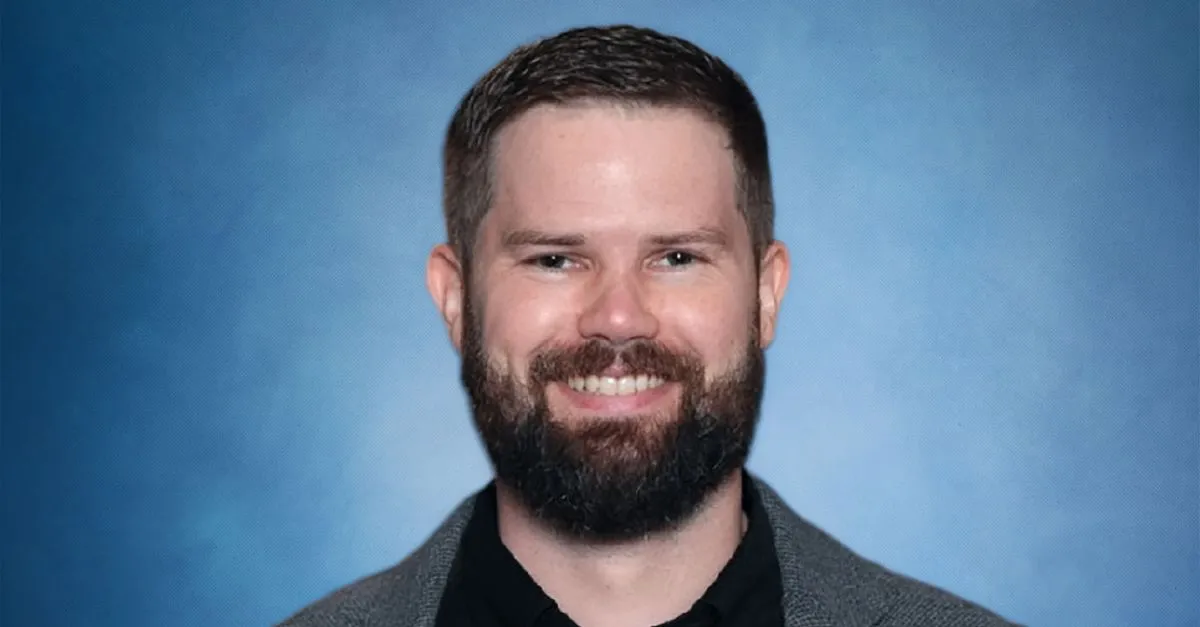
Liam Lynch of HBX Group says firms must embrace social media, AI and data management to meet the needs of their customers

Luxury travel is synonymous with out-of-this-world accommodations, private concierges and chartered yachts. However, beyond the bespoke, a new brand of luxury traveller is outgrowing traditional exclusivity.
Travellers aren’t looking for a scripted luxury experience; they now demand invisible logistics, frictionless booking, and radical access that transforms a destination into a deep, personal connection.
This can come in the form of hyper-local authenticity or hotels and experiences that are personalised to the Nth degree. The big question for travel companies is how they can adapt to provide this kind of service to their customers.
Harnessing social media
One key influence that has increasingly shaped the evolution of luxury travel is social media. With almost 50% of travellers choosing destinations based on social media alone, it is clear that travel companies have to begin using the ‘social signal’ strategy.
This new direction marks a significant departure from strictly traditional marketing, taking note of the signals – such as locations or activities – that are trending on social media.
In particular, we are seeing the so-called TikTok-to-booking pipeline emerging whereby aspiring holidaymakers are taking inspiration from viral posts about influencers’ trips and looking to immediately book similar experiences, leading to surges in bookings to these dream locations.
While this trend is impacting the travel industry as a whole, luxury travellers demand more than the average holidaymaker. As such, luxury travel companies have more need to anticipate surges in bookings and be prepared to offer what their customers have browsed for online, while still offering a bespoke version of the popular experience.
That’s why luxury travel companies need their fingers on the pulse; they need to react in real-time to emerging trends. By outlining which hidden gems are dominating consumers’ ‘for-you pages’, businesses can advertise their options for visiting those destinations.
They should then provide a seamless experience for the customer when booking, fulfilling their TikTok-to-booking desire. This is especially true of the Luxury world, where the expectation on service is higher.
The algorithmic concierge
Social media aside, the other big technological influence on travellers is artificial intelligence. Approximately 40 % of holidaymakers are using AI-based tools to help their trip planning worldwide.
This increased usage means that travel companies need to upgrade their services to cater to the new AI-savvy traveller and maintain a competitive advantage.
While it’s true that travellers are increasingly using AI for planning their trips, luxury travel agents still play an important role, especially when supported by technology.
AI can be a fantastic tool for the heavy lifting of a travel agent – whether that’s comparing flights, checking real-time availability, or helping manage complex payment flows.
By taking these repetitive admin tasks out of agents’ hands, it frees up time for them to focus on the element that technology will never replace: emotional intelligence and first-hand experience.
This is especially pertinent in the luxury world. Travel agents need knowledge and emotional intelligence to understand which options best suit their customers’ needs and how to personalise their experience to give them the once-in-a-lifetime trip they want.
By combining their skills and experience with the power of AI, travel companies can better respond to the rising expectations of their customers.
Gen Z and the death of commitments
The flexibility brought about by AI is particularly appealing to younger demographics. For example, Gen Z is growing as a power-spender in the luxury travel space – which is something businesses need to factor into their strategies to not get left behind.
Interestingly, while usually more tech savvy, Gen Z often find booking trips overwhelming and stressful. In fact, a recent report found 60% felt this way.
However, they also value spontaneous trips with 20% of Gen Z travellers being comfortable booking trips less than a week in advance. So, the question is how to make trips flexible and not overwhelming?
One way to broaden the flexibility and convenience for luxury Gen Z travellers is the introduction of FinTech solutions like ‘buy now, pay later’ (BNPL). Recent research shows that 55% of Gen Z used BNPL services in 2025, underscoring the need for travel companies to implement these services to keep up with younger generations’ demand.
Another approach to keep up with Gen Z is to introduce flexible booking models that are event-driven or even weather-dependent, to suit the spontaneity that the demographic values.
Flexibility and an easier process will bring more Gen Z luxury travellers on board and only help to continue growth in the luxury travel industry. With this in mind, it’s important for travel companies to consider the technology solutions at their disposal that can significantly boost flexibility and the customer experience.
More than just a hotel
Another trend shaping the luxury travel market, across all generations, is location loyalty. Our booking data reveals a growing trend towards luxury holidaymakers repeatedly visiting the same destination – and not being loyal to the accommodation or experiences they tried before.
This is characteristic of the contemporary luxury travel consumer; no two trips should ever feel the same. The travel agent therefore needs to have in-depth destination knowledge to be able to offer different perspectives each time, whilst maintaining the high-quality service that customers expect.
To achieve this, companies should use preference data to personalise all facets on offer. For example, in hotels, this would be knowing and remembering the preferred robe size, room temperature and even mattress and pillow density.
Outside of the accommodation, luxury travel agents should use their knowledge and their customer’s preferences to suggest a range of experiences that will reflect the customer’s holiday wish list.
This could be a night under the stars on safari for a nature-loving traveller, or a private beach for a holidaymaker looking for a break from their stressful job.
By collecting data and crafting personalised details and experiences specifically for each traveller, luxury travel businesses can help their customers scratch the itch for a unique, individual trip that never ceases to amaze.
The frictionless future is key
Looking ahead, it is clear that luxury travel companies need to further embrace social media, AI and data management to meet the needs of their existing and prospective customers.
Travellers want high-class service and genuinely different experiences with each trip; by implementing technology to monitor trends and automate administrative tasks, agents free up more time to personalise experiences and deliver what customers want.











Jacobs Media is a company registered in England and Wales, company number 08713328. 3rd Floor, 52 Grosvenor Gardens, London SW1W 0AU
© 2025 Jacobs Media
