




You are viewing 1 of your 2 free articles
Analysis: Engines of growth increasingly grounded
Airlines face growing difficulty keeping newer aircraft in the air, reports Ian Taylor

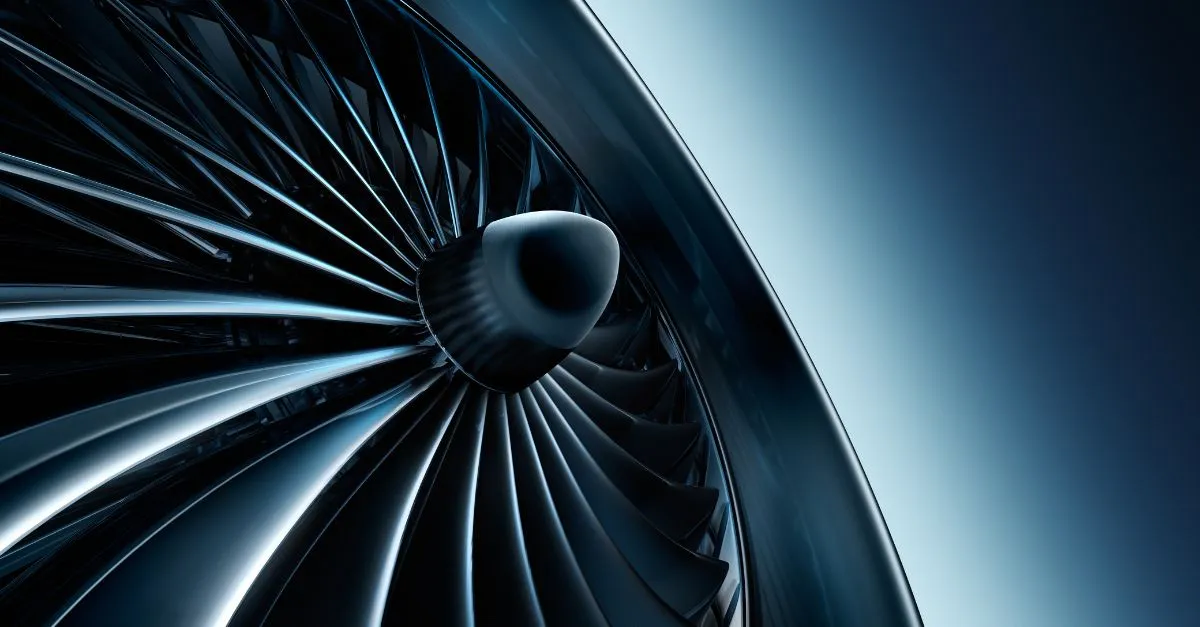
Aircraft engines have become more valuable than the aircraft they power as maintenance issues with the latest models and restrictions on the availability of spare parts has grounded hundreds of aircraft over the past two to three years.
Engine prices have soared as a result. Aircraft lessor Avolon noted this month that the engines on a new short-haul (single aisle) aircraft can account for 80% of the aircraft’s value and by the time the aircraft is six years old the engines will be worth more ‘off the wing’ than on it. The average age of commercial aircraft is 15 years.
Just 20 years ago, the engines on a new aircraft accounted at most for 30% of its value.
The most up-to-date fuel-efficient engines require more maintenance and therefore more time on the ground than the generation of engines they have replaced.
But that problem has been compounded by both a shortage of spare parts and by US engine manufacturer Pratt & Whitney having to inspect hundreds of its GTF (geared turbofan) engines which power the Airbus A320neo after discovering a defect which could cause cracks.
Budget carrier Wizz Air has been especially impacted by the Pratt & Whitney issue with more than 30 aircraft grounded at the start of this year, some for more than a year.
Engine leasing costs have soared, with the price of leasing engines for a short-haul aircraft more than the cost of leasing a replacement aircraft – an anomaly which has led to at least 17 Airbus A320 and A321 neos being dismantled so the engines could be sold or leased, according to aviation analyst Cirium.
Avolon reported the aviation supply chain “remains fragile” and “aircraft groundings have stubbornly persisted”, and said: “The current maintenance, repair and overhaul ‘super-cycle’ is set to continue [with] engine manufacturers increasing [maintenance] shop visit and spare-part pricing at rates well above inflation.”
It warned: “The groundings are likely to persist through to 2028.”
The lessor noted the high value of engines and spare parts had driven up the share prices and market capitalisations of manufacturers such as GE Aerospace and Rolls-Royce, with Rolls Royce shares “outperforming” those of the silicon chip maker behind the boom in AI, Nvidia.
"The cost escalation, excessive groundings and shortage of spare engines” had led to what Avolon called “the part-out of young aircraft”, meaning the removal of engines.
These issues led Ryanair to announce a multibillion-dollar plan to take its engine maintenance inhouse this month through a deal with engine maker CFM – a joint venture between GE Aerospace and Safran Aircraft Engines of France.
Ryanair will set up two engine maintenance workshops to service its fleet of aircraft and their almost 2,000 engines from 2029 with CFM support having agreed a $1-billion-a-year deal for spare parts.
Describing engine costs as “completely out of control”, Ryanair chief Michael O’Leary warned: “There is going to be significant cost inflation on new aircraft, engines and engine repair for the next decade.”
That tallied with Avolon’s warning that: “We expect the global scarcity of spare engines and challenges with the engine supply chain to continue through to the end of this decade.”
Iata has said it is considering legal action against engine manufacturers, with director general Willie Walsh describing the costs of spare parts and maintenance as “eyewatering”. Iata estimated the annual cost to airlines due to engine problems and aircraft delivery delays at $11 billion last year.
Walsh said: “We see more and more problems with all engine types. The durability of newer engines is nowhere what we’re used to. There is a question whether they [the manufacturers] stretched the technology of the engines.”












Jacobs Media is a company registered in England and Wales, company number 08713328. 3rd Floor, 52 Grosvenor Gardens, London SW1W 0AU
© 2025 Jacobs Media
