




You are viewing 2 of your 2 free articles
Iran war and EES cast shadow over Easter getaway

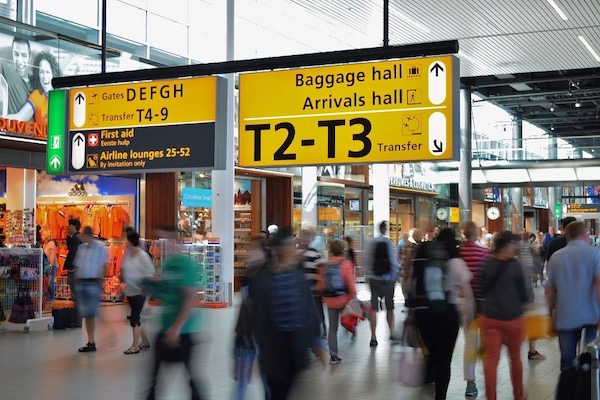
The Iran war and the new EU biometric Entry/Exit System (EES) pose a double travel threat as more than two million people are set to head abroad over Easter bank holiday weekend.
Good Friday and Easter Sunday are being projected by Abta as being the top travel days, while VisitBritain reported more than 7.4 million UK consumers were planning an overseas trip this Easter based on its research.
It will also be busy due to the Easter long weekend being in the middle of school holidays – with some people returning from a week’s break and others heading away.
Abta says the conflict in the Middle East is affecting where people can travel, with many changing their plans and holidaying in Europe instead.
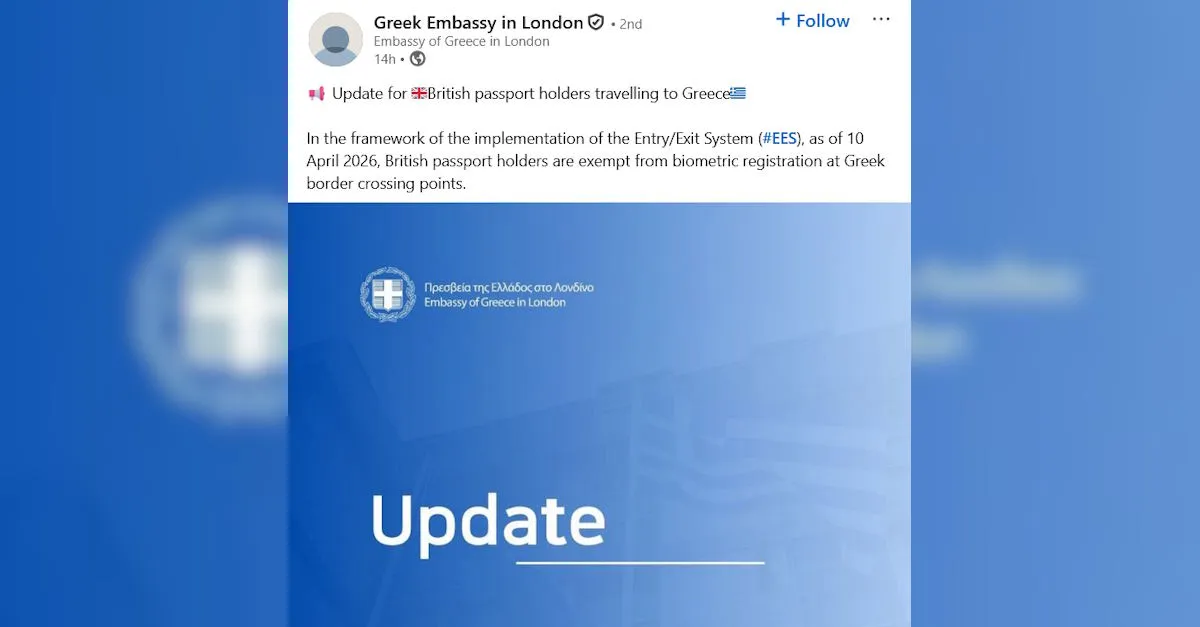
But those going to European destinations will find the EES in operation at passport control at most borders.
This means British travellers will need to register their details in the new system when they get to the border - both when arriving and leaving participating European countries - and may need to provide a facial scan and/or fingerprints as well.
The travel association urged holidaymakers to factor EES into their travel plans as it is likely to take longer to go through passport control.
“Travellers should follow the advice of their travel provider regarding EES, particularly in terms of when to arrive for their return journey and allow plenty of time to go through passport control,” Abta said.
Strong bookings have been reported by Abta members for mainland Spain, the Balearic and Canary islands, Portugal and Greece.
City-break destinations are also proving popular, with Amsterdam, Barcelona, Budapest and Dublin leading the way.
Many are also looking to make the most of the last of the season’s snow in the Alps as Easter falls early this year.
Abta chief executive Mark Tanzer said: “Easter is one of the busiest times for the travel industry as millions use this opportunity to take a break and head overseas.
“Abta travel agents and tour operators have been working hard to support their customers in the run-up to the Easter period, helping them prepare for their travels and making alternative arrangements where their holiday has been affected by the conflict in the Middle East.
“We’re encouraging everyone who is travelling over this period to take some time to check their arrangements before setting off, including recognising the roads are likely to be busy, so leave plenty of time to get to your departure port, check for any engineering works if using public transport and be mindful that if travelling to Europe you may need to go through EES checks both when arriving and leaving your destination.”
Related Content












More Content





Jacobs Media is a company registered in England and Wales, company number 08713328. 3rd Floor, 52 Grosvenor Gardens, London SW1W 0AU
© 2025 Jacobs Media
