




You are viewing 2 of your 2 free articles
Which Italian region is right for your client?
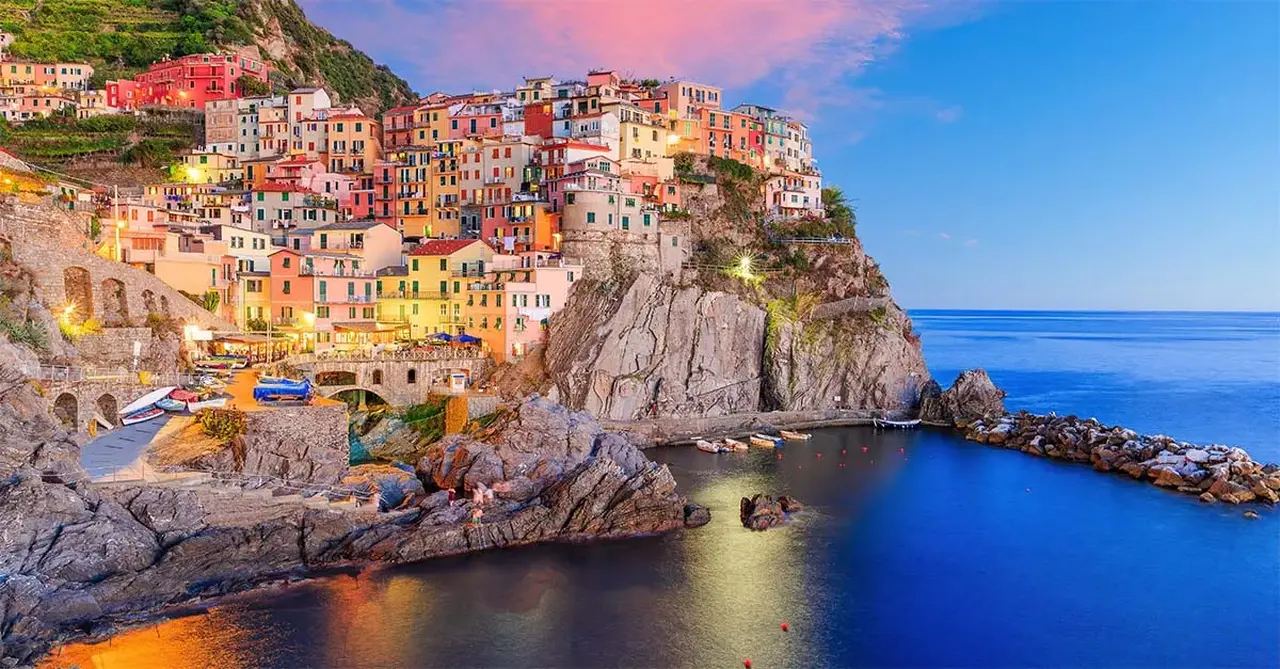
Do you know the Cinque Terre from the Amalfi Coast, Puglia from the Prosecco Hills? Understanding Italy’s regions is a key starting point

Click here to download and save as a PDF
When was the last time you tried Italy’s boot on for size?
Loose around the top – where you’ll find Venice, the Lakes and the lofty peaks of the Dolomites – it stretches down the shapely leg to Puglia in the heel of the foot, set to catch Sicily unawares with an almighty kick.
Italy wasn’t completely unified until 1871 and its regions remain remarkably diverse in climate, culture and cuisine. A quick bite in Venice means cicchetti – tapas-style small bites – whereas in Naples, birthplace of pizza, it’s a slice fresh from the oven, and in Puglia, delectable mini calzone-like mouthfuls of panzerotti.
While some tours combine country-wide highlights, operators are increasingly inviting guests to stay longer and delve deeper with itineraries that focus on a single area. We look at how they vary to help pick the perfect region for first-timers and repeat visitors alike.
Northern Italy
Italy’s broad northern expanse is incredibly diverse, ranging from snowy mountain peaks to seaside plains; some regions even have more in common with their French, Swiss or Austrian neighbours than with their fellow Italians down south.
The Ligurian Riviera, with the candy-coloured seaside villages of Cinque Terre and gritty Genoa at its heart, is a kissing cousin of the French Riviera – they have a similar mountain-backed coast and maritime heritage, both in ritzy yachts and working fishing ports. Newmarket Holidays has even combined them in an eight-day French & Italian Rivieras trip, new for 2026.
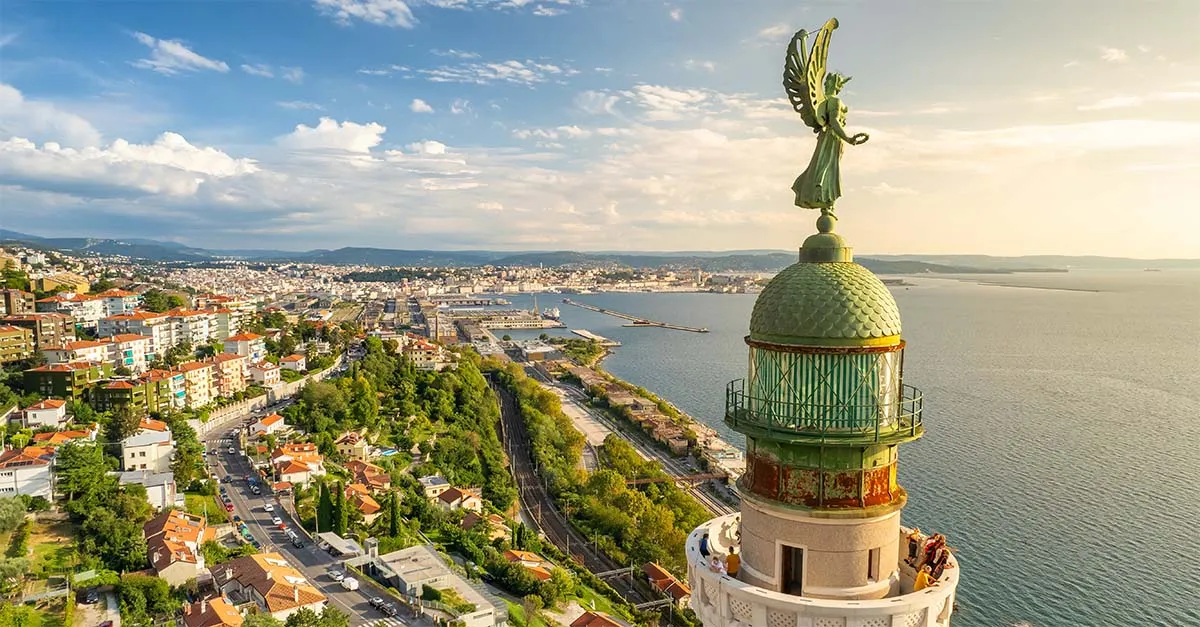
Trieste, Italy. Image credit: Shutterstock/Mazur Travel
Inland lie fashion capital Milan and the Lakes – luxurious celebrity haunt Lake Como, family-friendly Garda, elegant Maggiore and tranquil Orta – where the clean waters and pristine peaks nod to their Swiss cousins to the north.
This is the easiest region to reach without flying, thanks to coach links from the likes of Leger Holidays or train travel with Great Rail Journeys. Jules Verne has also chosen the Lakes for a new In Style premium tour.
The towering peaks of the Dolomites sit in the northeast, a haunt for hiking in summer, skiing in winter and a photographer’s dream year-round with views such as the Tre Cime di Lavaredo trio of peaks.
It’s a popular spot for trekking tours, including a new premium-level option from Intrepid Travel and winter tours from Exodus Adventure Travels – sure to be a hit ahead of next year’s Winter Olympics in Milan and Cortina d’Ampezzo.
Italy’s most famous northern gem is canal-threaded Venice, but don’t forget the wider Veneto region, including historic cities Verona and Padua and the wine region of the Prosecco Hills.
South of the Veneto lies Emilia Romagna, a foodie hotspot that boasts Bologna, Parma and Modena, where Explore offers a walking tour with a foodie twist.
Central Italy
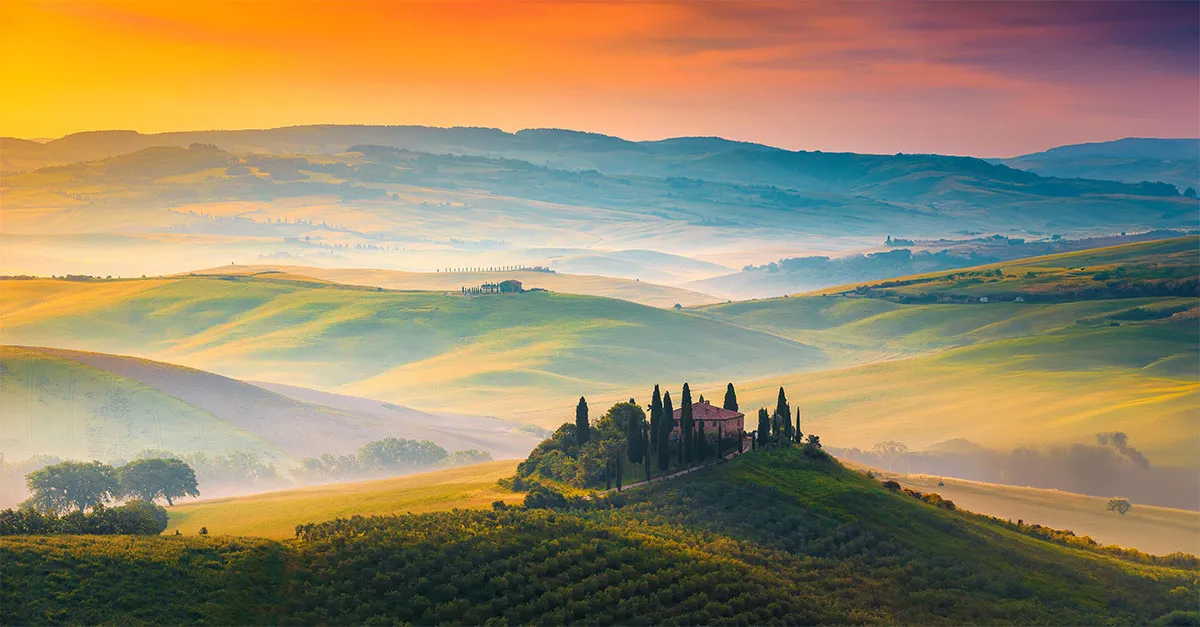
A Tuscan scene. Image credit: Shutterstock/Gaspar Janos
Home to a host of iconic sights, the centre of the nation is considered quintessential Italy. Here you’ll find the rolling, cypress-studded hills of Tuscany, the cultural powerhouse and cradle of the Renaissance in Florence, and Pisa with its famous leaning tower.
It’s good to showcase the value of a tour in linking up these and less obvious highlights. Travelsphere’s Treasures of Tuscany & Florence tour is based in Montecatini Terme, but with daily trips to explore architecture in Florence, sip wine in Chianti or visit Leonardo da Vinci’s birthplace.
East of Tuscany, Umbria is a quieter alternative, with beautiful countryside and the historic centres of Assisi, Perugia and Orvieto. Even farther east, sandwiched between the country’s Apennine mountain backbone and the Adriatic, is Le Marche, a rural area with a tranquil coastline and crowd-free hill towns.
In the west sits Rome, where sights include the Colosseum and the Forum, and the centre of the Catholic church, Vatican City.
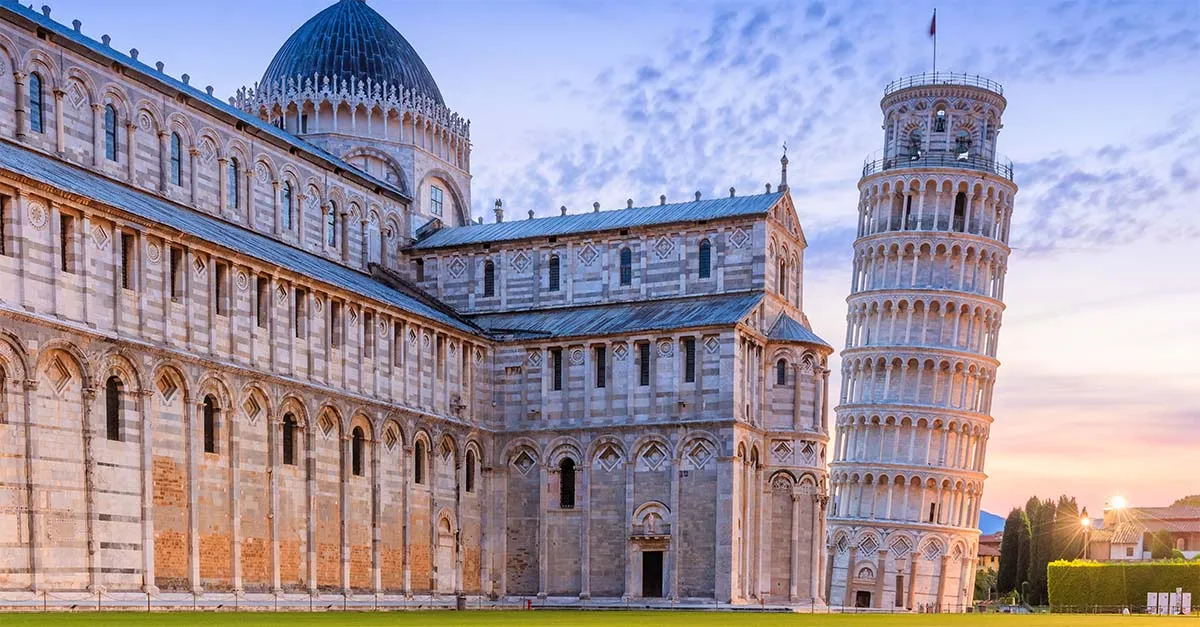
The Leaning Tower of Pisa. Image credit: Shutterstock/SCStock
For clients who think they’d see as much on an independent city break, pick touring itineraries that offer something different.
Travel Department’s Rome City Break combines famous sights with free time, while Jules Verne’s In the Company of Angels stays in a convent and includes private tours of the Vatican Museums and Colosseum.
Southern Italy
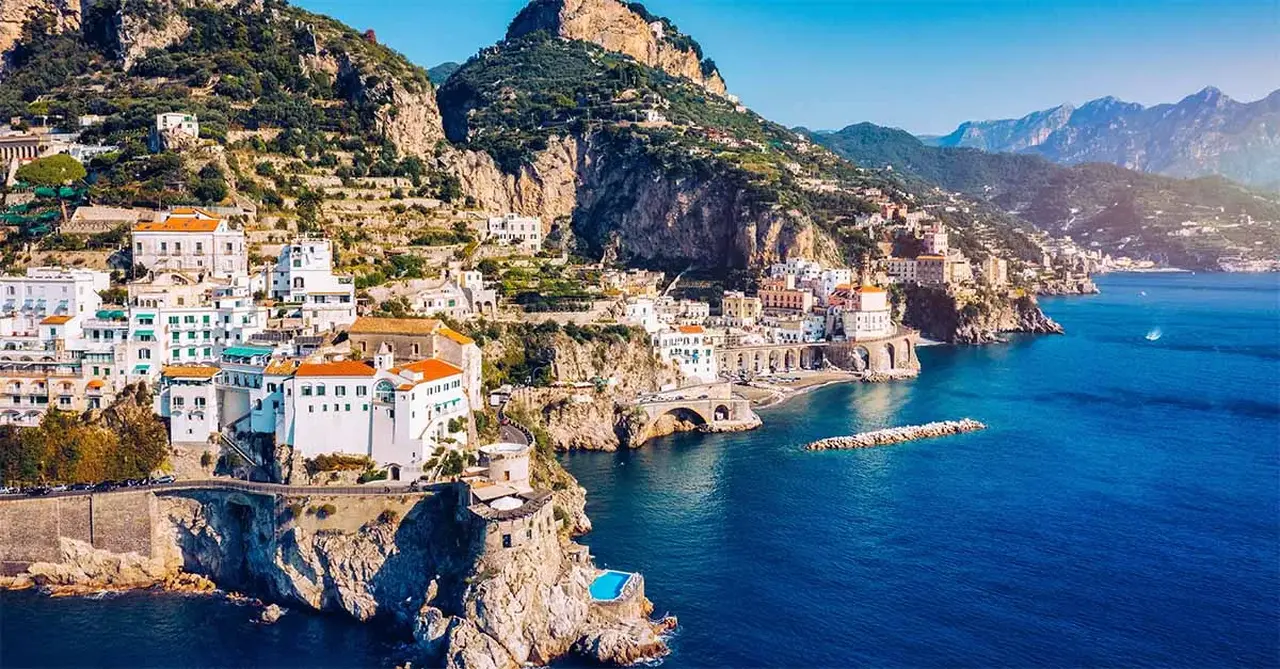
The Amalfi Coast, Italy. Image credit: Shutterstock/DaLia
Famous for lemons, luxury hotels and dramatic clifftop drives, the Amalfi Coast is an exquisite spot.
Prices in hotspots such as Positano and Capri, the island in the Bay of Naples, can be as eye-popping as the views. Many tours stay instead on the northern side of the peninsula in pretty Sorrento, which is convenient for Mount Vesuvius and Pompeii.
Both play host to G Adventures’ Local Living tours, staying in family agriturismi for limoncello-making and home cooking.
Farther south in the heel of Italy is sun-soaked Puglia, famous for its unique beehive-shaped trulli houses, especially in Alberobello. It’s fast becoming a focus, with new 2026 tours from Mercury Holidays, Riviera Travel and Italy specialist Magari Tours (which offers chartered departures for agents keen to tailor their own itinerary).
Calabria, in the toe, is a lesser-known alternative to pair with nearby Sicily.
Italy’s islands
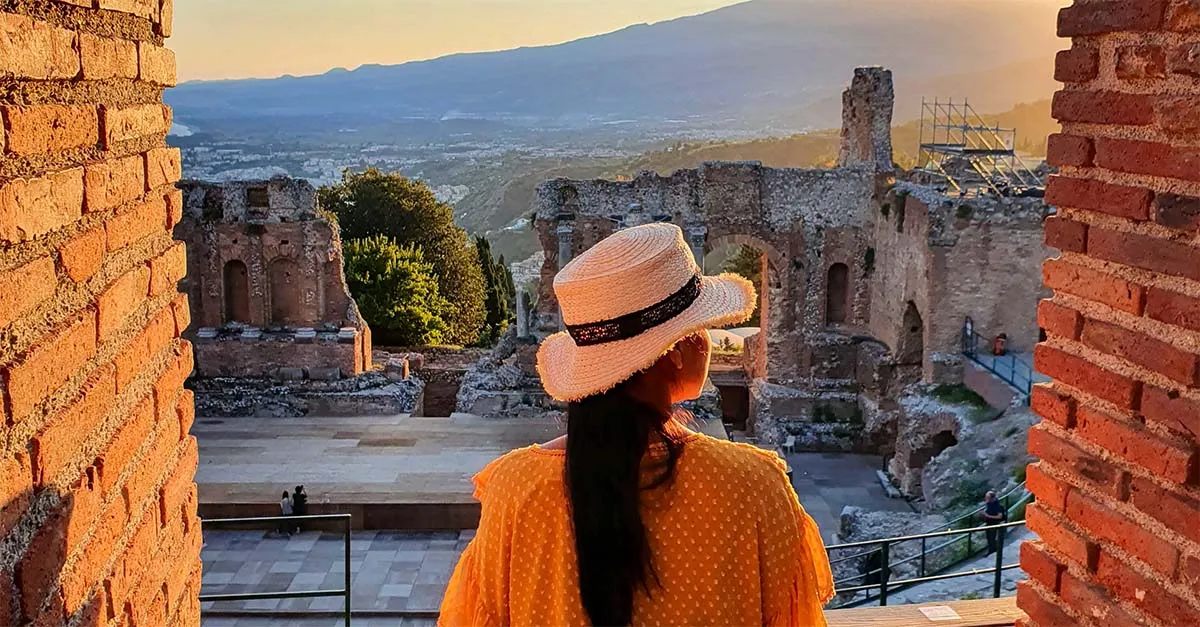
Ancient theatre of Taormina, Sicily. Image credit: Shutterstock/fokke baarssen
Sicily is the largest island in the Med, awash with influences from Europe, Arabia and beyond, as seen in its heritage and cuisine. The classical architecture of Taormina and smoking cone of Mount Etna are among its highlights. The second-largest isle, Sardinia, is famed for its white-sand beaches and cyan waters.
Lead image credit: Shutterstock/SCStock










Jacobs Media is a company registered in England and Wales, company number 08713328. 3rd Floor, 52 Grosvenor Gardens, London SW1W 0AU
© 2025 Jacobs Media
