




You are viewing 1 of your 2 free articles
Discover Kenya beyond the safari
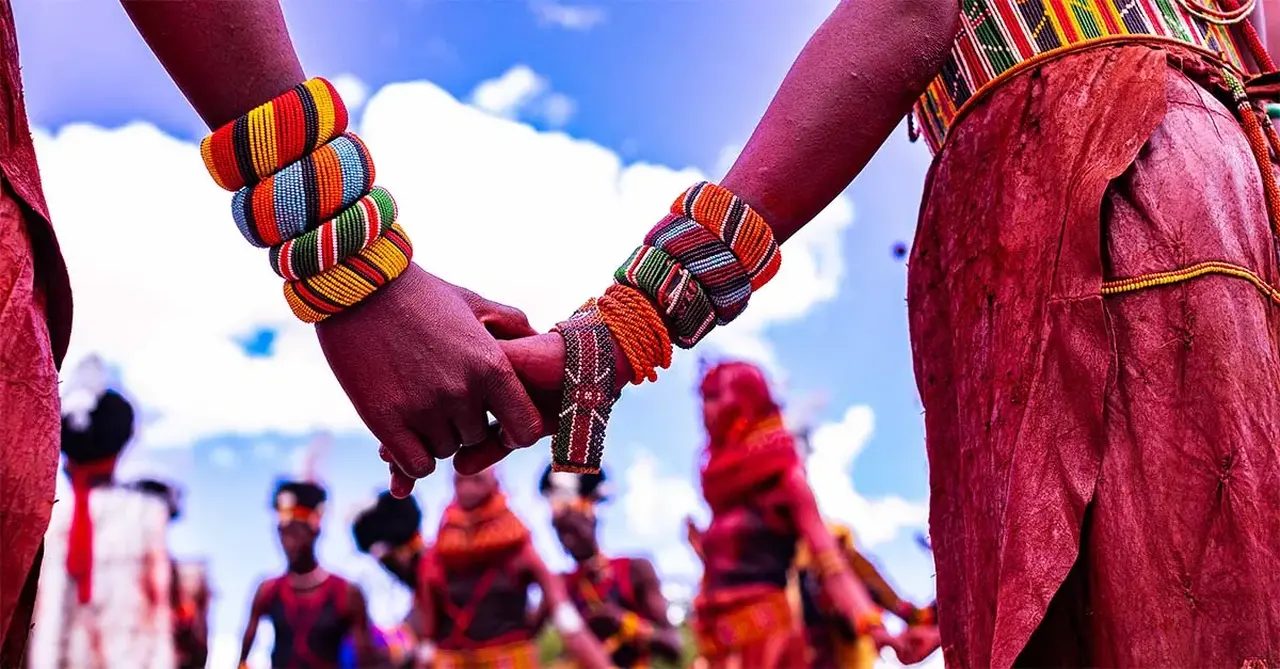
Explore Kenya’s culture, community and cuisine with a trip that goes further than a game drive

Click here to download and save as a PDF
It’s so peaceful. I’m sipping masala chai in a cafe; a donkey clip-clops along on the street; a call to prayer reverberates around town.
I’m in Shela Village on Kenya’s Lamu Island and it’s my first real Kenya trip that’s not about lions and lodges.
Later, we tour nearby Unesco-listed 14th-century Lamu Town, one of the oldest Swahili settlements in Africa. Kenya does safari well. Really well. But the classic safari-beach combo – luxury lodge-hopping with a diet of two game drives a day, interspersed with elevenses and sundowners then rounded off with a beach resort – is just one way to visit this East African nation.
Wildlife may be the magnet for clients, but Kenya’s riches go way beyond the big five.
The country is home to 40-plus ethnic groups, who have survived everything from colonisation to civil unrest, and its diverse cultures are increasingly forming a key part of itineraries and giving visitors a richer experience.
How to visit Kenya
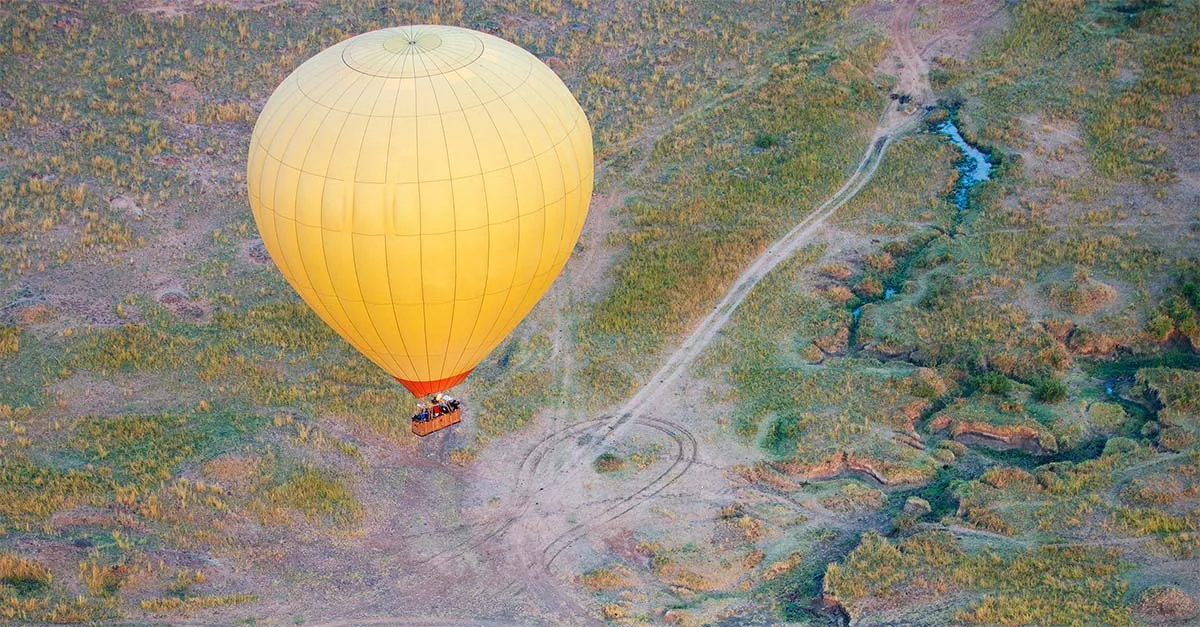
Hot air balloon in Kenya. Image credit: Shutterstock/TravelPhotoBloggers
Landscapes are equally varied. Beyond the savannah, there’s the arid semi-desert of Samburu in the north, the towering peaks of Mount Kenya, 60-plus lakes including Nakuru and Naivasha and the exciting, if oft-overlooked, capital Nairobi. And not forgetting the white-sand beaches of Mombasa, Watamu, Malindi and Diani along with Lamu Island, a short flight from Nairobi.
Kenya Airways began non-stop flights to Nairobi from Gatwick in July, with services three times a week to complement its daily Heathrow flights.
British Airways also flies daily, with three extra flights a week during summer, while Emirates remains a top choice for travellers from regional UK airports, with connecting flights from Dubai to Nairobi. Kenya Airways and local airlines also connect travellers within Kenya and East Africa.
As Uber Safari enters the Kenyan market with an ‘on-tap’ model of booking game drives via its app, this is the time for agents to show the value of their expertise.
This year, the tourist board revamped its Magical Kenya agent training programme and stepped up its efforts to work with agents via trade representation agency SLC Representation.
Community tourism in Kenya
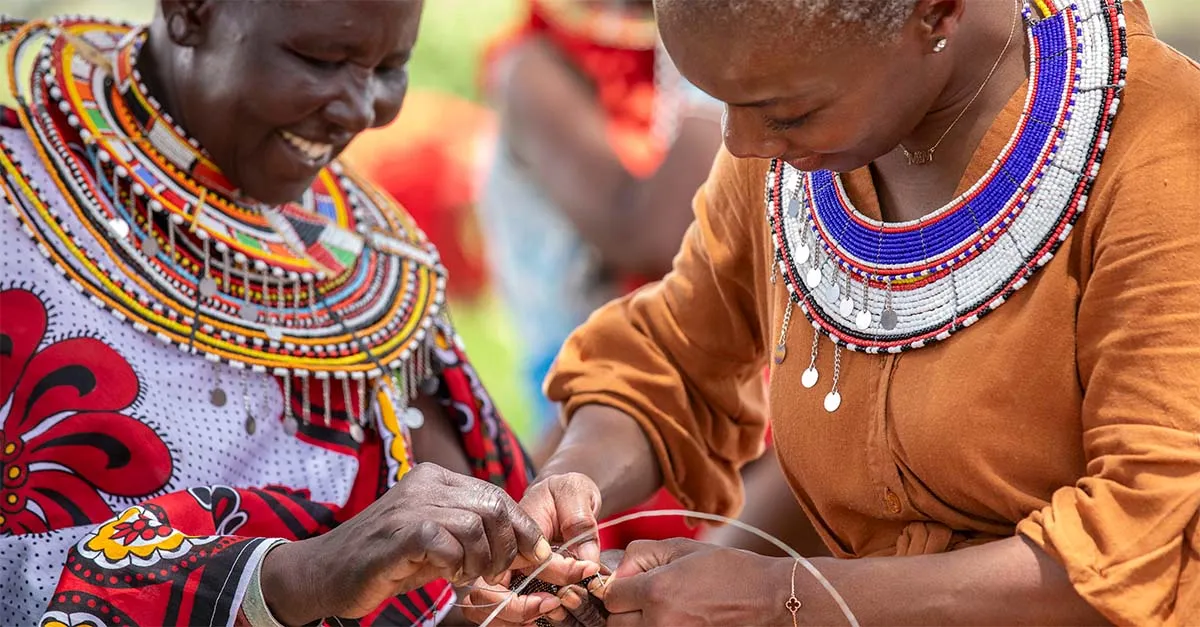
A G Adventures experience in Kenya. Image credit: Shereen Mroueh
In recent years, more lodges have been engaging in a meaningful way with the local community, be it championing storytelling and craft traditions or supporting education and training programmes that empower local people, particularly women.
Lodge designs are often inspired by Kenyan architectural traditions and chefs are encouraged to innovate with local ingredients such as cassava and ugali (cornmeal).
The Maasai Mara remains the country’s most famous safari destination, but central Kenya’s Laikipia Plateau is growing in popularity; andBeyond has opened a lodge in Suyian Conservancy, where 70% of staff are local.
Engaging cultural activities can sit alongside wildlife experiences as an excellent way to entice families and repeat visitors. Families Worldwide has a new nine-day Lakes, Mountains & Maasai of Kenya trip designed with older children in mind.
With game drives in the Maasai Mara and boat safaris on Lake Naivasha in the Great Rift Valley, guests will also have time with a Maasai tribe, taking part in activities such as learning warrior skills and jewellery making.
Contiki, which focuses on the 18-35s market, takes a similar approach by incorporating one of its Make Travel Matter Experiences to support the community during its Kenya Adventure itinerary, alongside adrenaline-pumping activities such as mountain biking and hot-air balloon safaris.
Food in Kenya
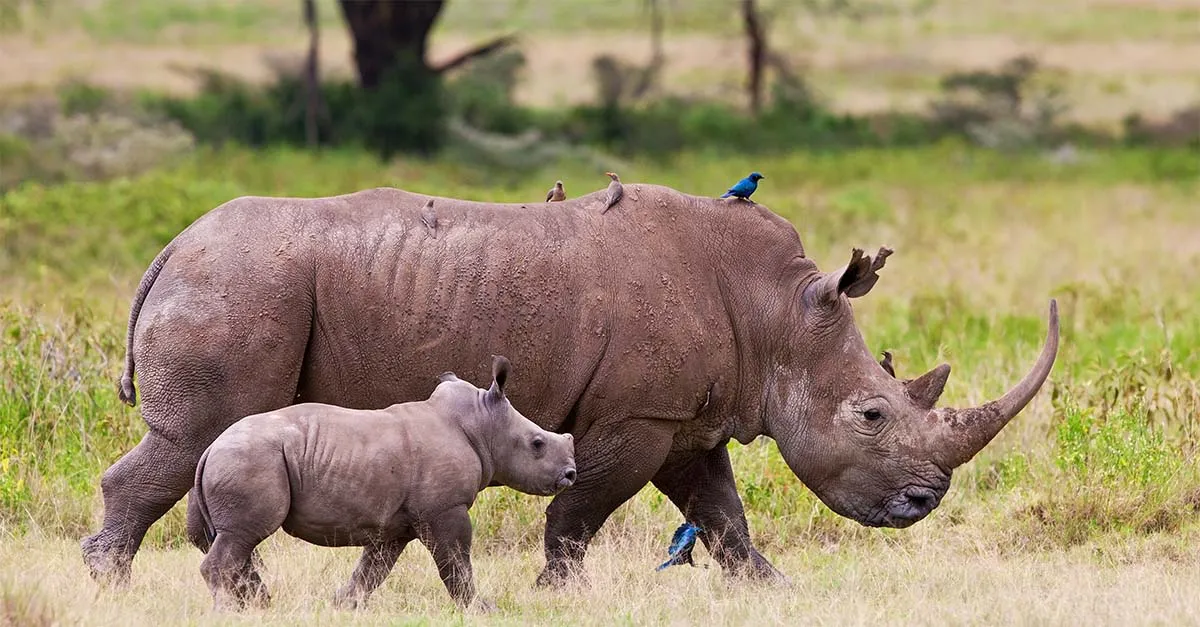
Rhinos in Kenya. Image credit: Exodus Adventure Travels
Food is a huge part of Kenya’s cultural product. From December, Cottar’s Safaris is adding a new Cottar’s Culinary Safari in partnership with renowned Kenyan chef Kiran Jethwa, where clients can go wild foraging, hear stories from a Dorobo hunter-forager and enjoy guided wildlife experiences, as well as learning traditional cooking techniques.
“I believe food is the most authentic way to connect with a place,” says Jethwa. “We’re crafting an epicurean safari that’s rooted in Kenya’s cultural and natural heritage, bringing the true taste of the African bush to life.”
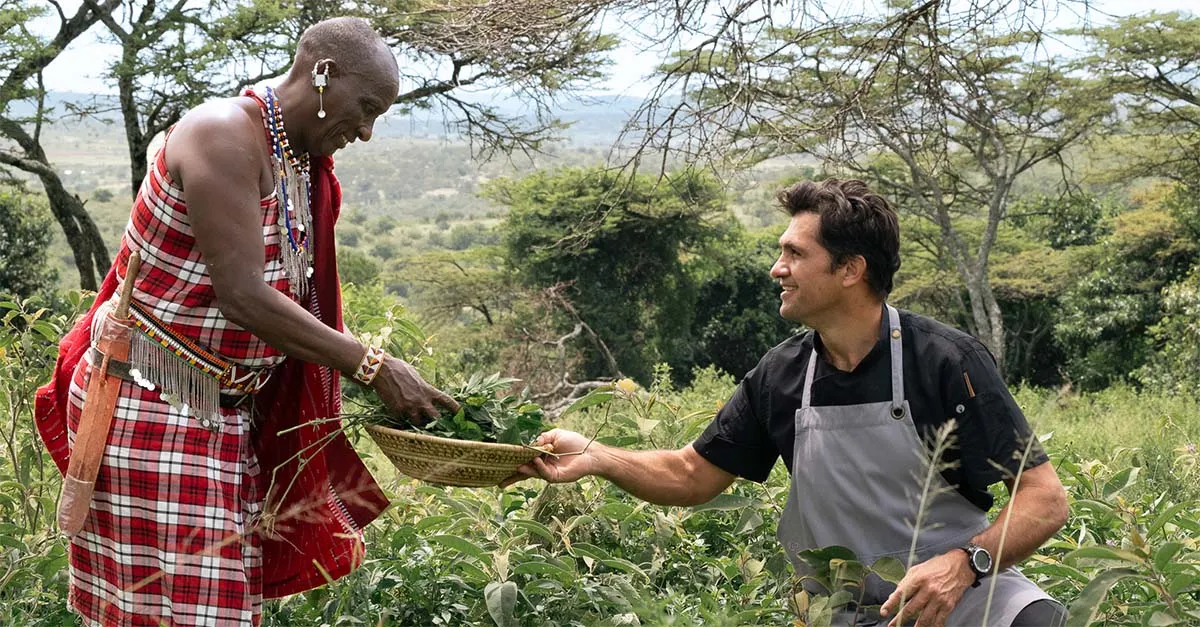
Kiran Jethwa foraging
Tribal experiences in Kenya
For adventurous clients or Kenya regulars who are yet to explore the more isolated north, specialist tour operators such as Native Eye visit these tribal heartlands. Samburu Game Reserve is home to the nomadic Samburu and Rendille communities, along with rare wildlife species that make up the Samburu Special Five, including Grévy’s zebras and reticulated giraffes.
Many also visit Chalbi Desert and its Kalacha Oasis, which is home to the camel-herding Gabbra people; as well as the jade-hued waters of Lake Turkana, where the Turkana community resisted colonisation until the 1950s.
For city lovers, consider adding two or three nights in Nairobi. With legacy properties such as Hemingways, quirky options such as Giraffe Manor and boutique hotels such as Tribe and The Social House, accommodation is high quality. The underrated capital offers the best of urban life: art, heritage, fine dining, shopping and even nature.
You could say that Kenya is the ultimate all-inclusive destination. Big cats and birdlife, community and culture, beach cocktails and city sights – all without leaving the country.
Book it
G Adventures’ 10-day Kenya: Cultural Connections, Mt Kenya & Maasai Mara from its Geluxe Collection of premium active trips includes a tracking walk with a Maasai guide while staying at a Maasai-owned and operated lodge, a day hike up Mount Kenya and a visit to the Sweetwaters Chimpanzee Sanctuary at Ol Pejeta Conservancy in central Kenya’s Laikipia Conservancy, developed in partnership with the Jane Goodall Institute. Prices start at £5,135 for a departure on January 31, excluding international flights but including airport transfers, all meals, transport and listed activities.
gadventures.com
Responsible Travel’s six-day Kenya Culture and Community Tour includes a day in a soup kitchen near Nairobi, a visit to an entrepreneurial centre that empowers women, a hippo and birdwatching safari at Lake Naivasha and time with a Maasai family to learn about their crafts, customs and bush knowledge. Priced from £2,843 excluding flights, with accommodation, breakfasts and lunches, some dinners, transport, transfers and activities.
responsibletravel.com
Exodus Adventure Travels’ new eight-day Kenya Safari Adventure incorporates cultural traditions with game drives in Maasai Mara and Amboseli National Parks, adumu performances where dancers jump several feet high and a Nairobi lunch where chefs roast meats on Maasai swords over a charcoal pit. Prices start from £3,375, excluding flights, with B&B accommodation, meals, transport and listed activities.
exodus.co.uk
5 of the best things to see in Nairobi
Karura Forest: The world’s second-largest urban forest is on the edge of the city and a green haven for walking, cycling and lunch with atmospheric forest views at The River Cafe.
African Heritage House: Overlooking Nairobi National Park, this architectural treat (also a guesthouse and restaurant) houses Americanborn owner Alan Donovan’s collection of pan-African art.
Nairobi National Park: The world’s only national park in a city is home to more than 100 mammal species and 400 types of bird. Clients may even spot the elusive black rhino. Nearby Sheldrick Wildlife Trust operates an orphaned elephant rescue and wildlife rehabilitation programme.
Local shopping: The mobile Maasai Market, which moves between venues such as Westgate Shopping Mall and Village Market, is excellent for gifts, fabrics and art.
Restaurant-hop: Nairobi is bliss for foodies, from fusion gastro-lounge Talisman, pan-Asian Zen Garden and Diamond Plaza’s ‘Little India’ options; concierges and tour operators can tailor recommendations.
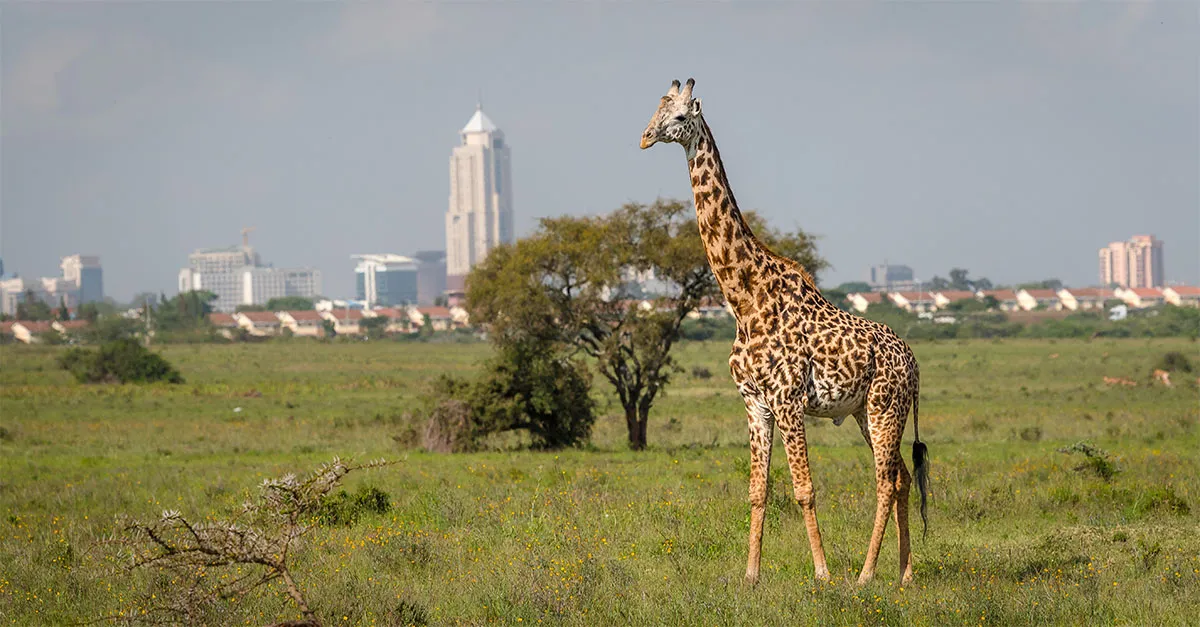
A giraffe with Nairobi in the background. Image credit: Shutterstock/mbrand85
How to sell Kenya

Helen Austin, Africa product manager, Kuoni
“It’s about offering more than the ‘two game drives a day’ safari. At a private conservancy such as Governors’ Mugie House in Laikipia, guests can engage with conservation initiatives such as lion tracking and the anti-poaching unit.
You can add adventure with bush walks, canoeing and e-biking, and book accommodation and experiences that offer cultural exchanges with the Pokot community.
The remote island of Lamu offers an alternative beach experience – guests can visit mosques, restaurants and artisan shops.”

Julia Copestick, travel team specialist, Responsible Travel
“In places such as the Maasai Mara, community and wildlife are so intertwined that just going on safari means you miss things that make the place what it is. But there’s a worry that cultural experiences such as visiting a Maasai village could be exploitative. Recommending responsible options, which are run in partnership with local people and where you can explain the mutual benefits of a trip, are key to allaying those fears.”
Lead image credit: Shutterstock/Antony Trivet Photography




Jacobs Media is a company registered in England and Wales, company number 08713328. 3rd Floor, 52 Grosvenor Gardens, London SW1W 0AU
© 2025 Jacobs Media
