




You are viewing 1 of your 2 free articles
Sands of time: discover Morocco's Sahara on a rugged fam trip
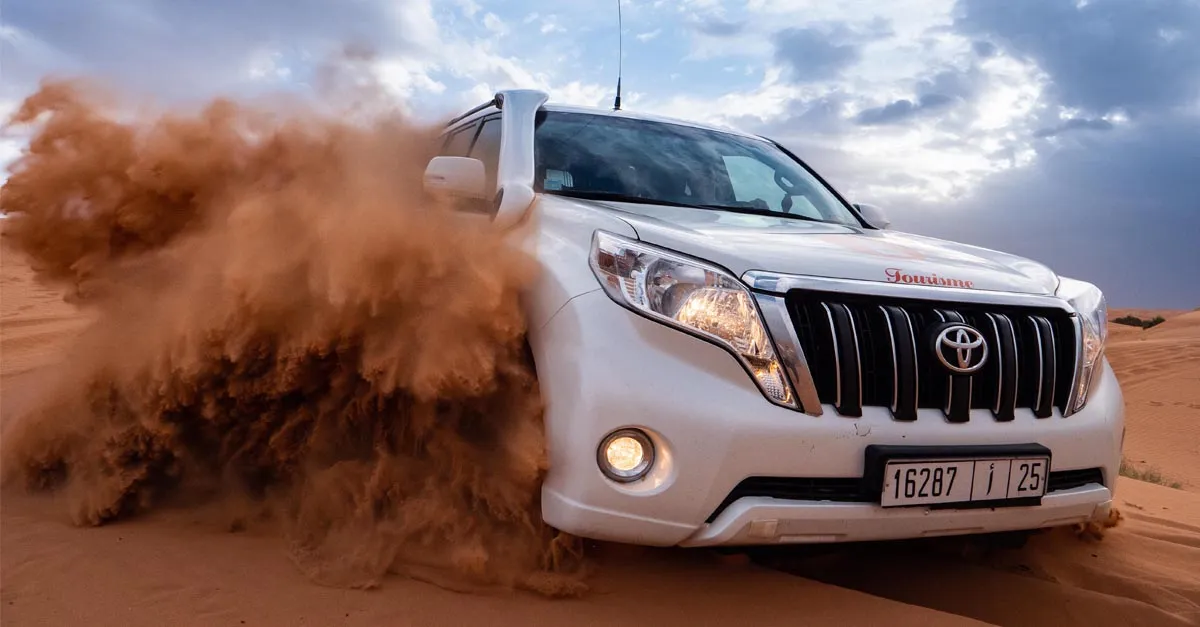
A fam trip through the dunes of the Sahara offers a different view of North Africa

Click here to download and save as a PDF
Bouncing in a 4x4 through the pinky‑orange Sahara in southeastern Morocco, with wind‑blown dunes stretching as far as the eye can see, it feels a million miles from Marrakech. That’s where most UK travellers head on a first‑time visit to Morocco, but swapping the noisy souks for swathes of shifting sand provides a stillness, a silence and a remote beauty that’s hard to capture in words.
The trade-off in choosing this slim stretch of the Sahara over easy-to-reach cities such as Marrakech is that one direct flight turns into two (with one domestic connection), followed by bum-numbingly long road journeys.
Well-organised tours help make this off-the-beaten-track region more appealing to customers, whether a private or group option. On a fam trip with the Moroccan National Tourist Office, I join a group of agents to land in Errachidia – capital of the inland Drâa-Tafilalet region and gateway to the desert – via Casablanca, stopping at characterful, kasbah-style hotels on the way.
Best desert camps in Morocco
Time loses its meaning as a vast sea of sand mesmerises us, until eventually we spot a rare patch of greenery.
Lofty date palms herald our lunch in Tissardmine, a small oasis of a village located on the edge of the sweeping sands of Erg Chebbi.
This don of all dunes stretches across 17 miles towards the Algerian border. Cafe Tissardmine is a sanctuary in itself, a low-rise collection of sand-coloured buildings housing an open-walled restaurant, with a few rooms that double as an artists’ residence.
After dining on bountiful bowls of salads full of beetroot, orange and olives, along with hunks of rustic bread and grilled spiced beef kefta, we leave sated and charmed by the setting and hospitality.
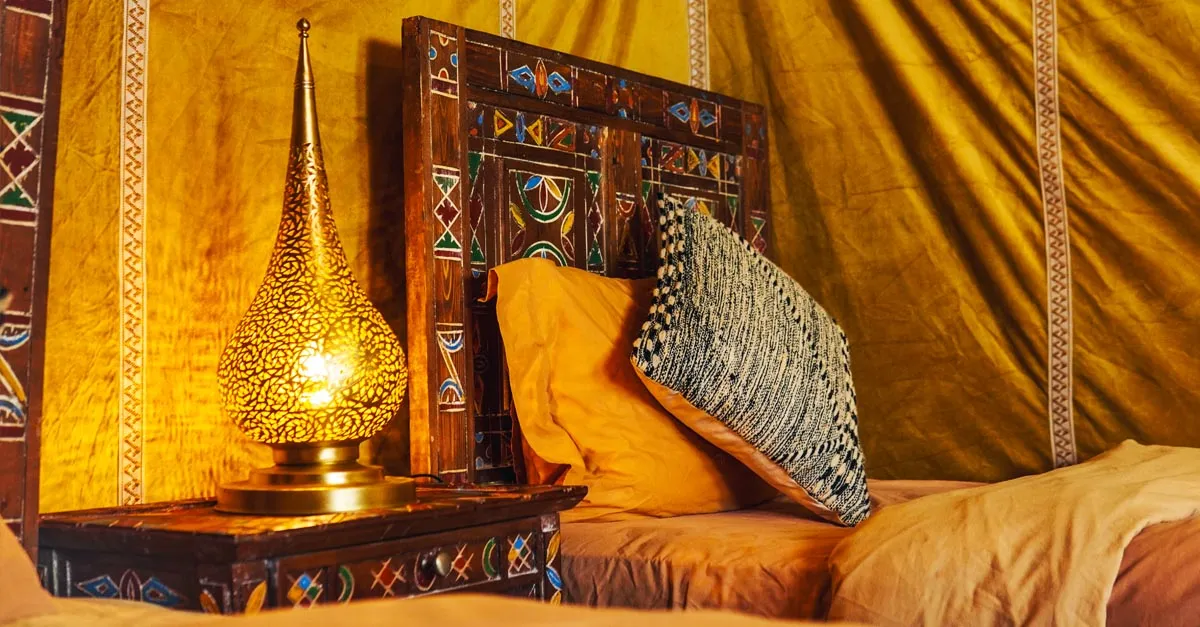
Inside a Moroccan desert tent. Image credit: Dan Mirica
Our desert adventure continues to Bivouacs Xaluca, where neat, curved rows of white, yurt-like tents stand out against the sandy landscape under a pale blue sky dotted with cotton-wool clouds. Rich red rugs lead to a firepit, offering comfort even in this unfamiliar setting.
My Tardis-like tent had a seating area by the window, a comfortable bed and a huge en-suite, and with no television, I revelled in the peace of my surroundings.
As the sun dipped below the horizon, I dressed for dinner in the red gandoura (kaftan) left for me and joined my fellow guests.
At night, the darkness and remoteness feel almost cosy, with all of us enveloped in a little community under the stars, drinking chilled Casablanca beers and tucking into tender beef tagine. Unexpected after‑dinner entertainment comes in the form of an African drumming band, who have guests up and dancing to the mesmeric beat.
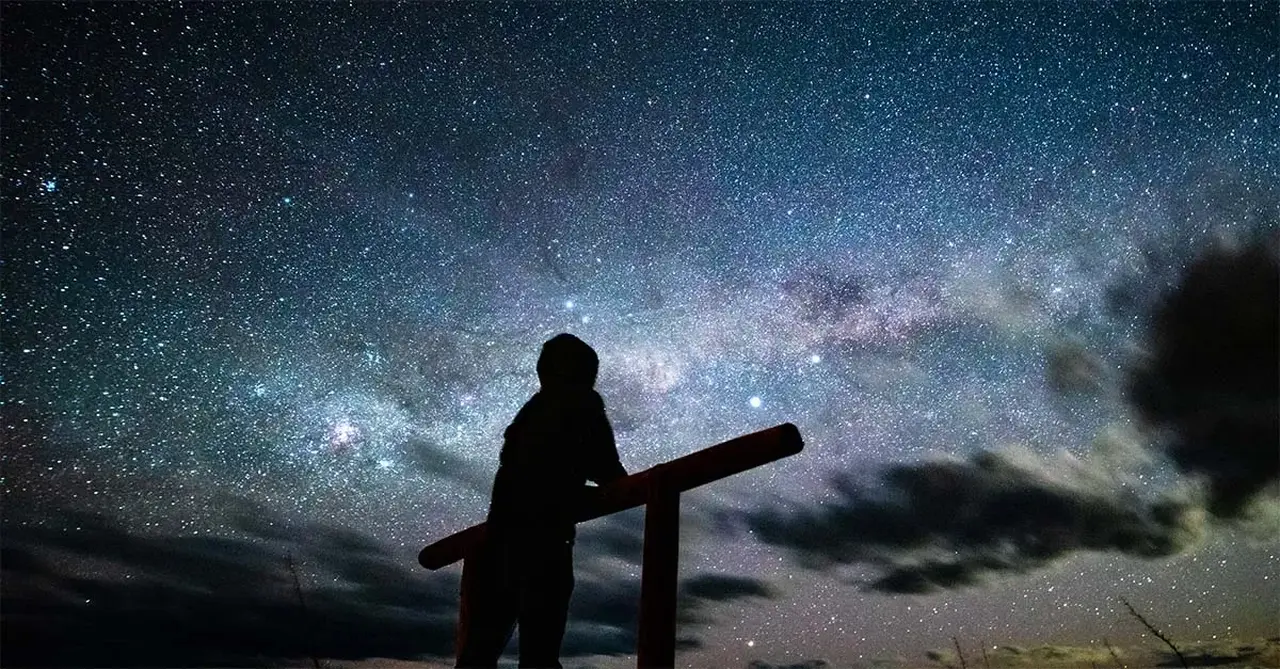
I’m tempted to stay awake and stargaze but the prospect of an early start pushes me to snuggle up in bed, listening as the wind whips up a sandstorm around the tents.
By morning, all is calm. After stretching our legs across the dunes, we climb back in the 4x4s for a three‑hour drive to Todgha Gorge in the eastern part of the High Atlas Mountains. The gorge is an orange, cliff‑sided canyon whose towering sides loom large the closer you get; we squinted to make out tiny figures climbing up the tracks.
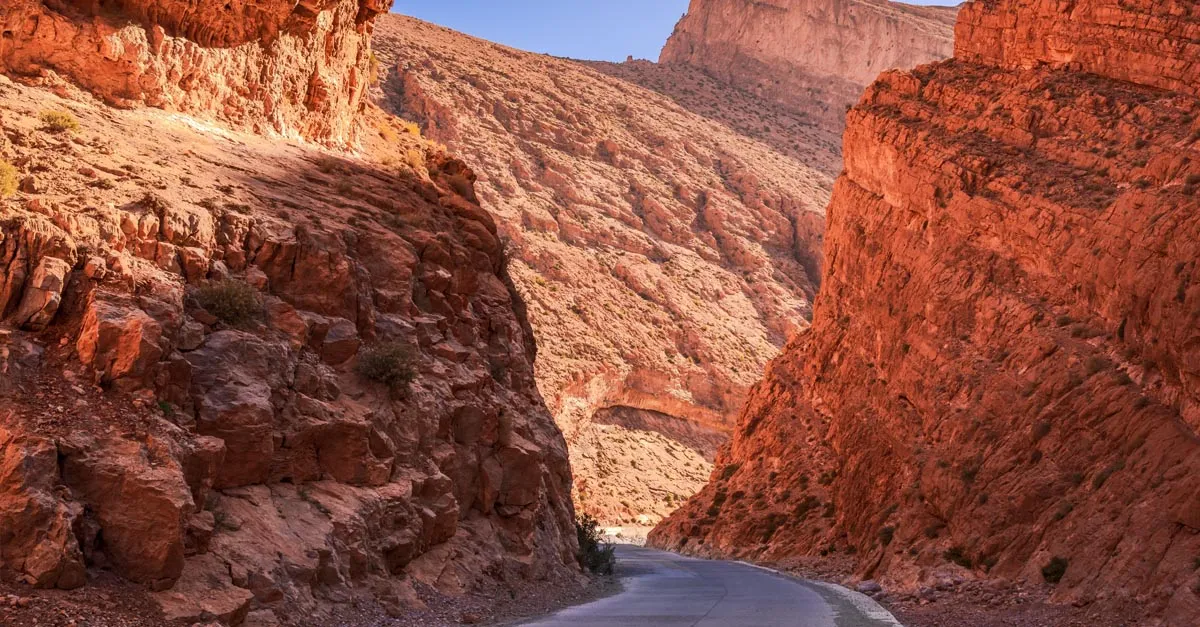
Todgha Gorge. Image credit: Shutterstock/ecstk22
Hollywood films set in Morocco
There’s a lot of road time involved in traversing remote regions, but our drivers Youssef and Faraji are funny, kind and charming; we bond over jokes, conversations and playlists. Aside from Arabic, they are also brilliant linguists, speaking English, Italian, Spanish, German and the local Berber language Amazigh.
Our final stop for the day comes in Ouarzazate, a lively desert city home to Le Berbère Palace Hotel. Mint tea poured ceremonially from a great height is a measure of hospitality, and in the tiled lobby we are welcomed with tiny tea glasses and dainty biscuits.
Although the rooms are smart and comfortable, the serene gardens offer a more identifiably Moroccan feel with roses, greenery and water features. Meals are impressive, with cloche after cloche hiding lamb tagine, soup, fish and vibrant salads, followed by milky puddings, chocolate tarts and fruit. Framed film posters hang in the hallways, a tribute to Ouarzazate’s reputation as the Hollywood of Morocco.
That’s echoed along the edge of town, where the huge Atlas Film Studio holds memorabilia from films including Kingdom of Heaven, The Mummy and Gladiator. The light and the sweeping cinematic landscapes mean some of the most popular shows, ranging from Game of Thrones to Prison Break, have been filmed here. We wander from an enormous Egyptian temple to a Tibetan structure featured in Martin Scorsese’s Kundun.
Keeping up the film connection, we head to Aït Benhaddou, a Unesco-protected fortified city at the foothills of the Atlas Mountains used as a setting for classics such as Lawrence of Arabia.
Once an important stop on the salt, gold and ivory trade route between the Sahara and Marrakech, its towering kasbahs are still home to a few families. Advise clients to wear flat walking shoes to clamber across the dry river bed – for a good view of the earthen-walled kasbah – and up the narrow lanes lined with stalls.
Female co-operative in Aït Benhaddou
On our way down, we stop for lunch at Tawesna, an all-female co-operative providing work for more than 40 widowed or divorced women. The shaded space with low seating (and a resident cat) serves specialities such as pumpkin-and-chicken tagine and a smoky aubergine dish so delicious it renders meat irrelevant. Some of the women are shy at first, but we soon learn about their journeys navigating cultural obstacles and objections voiced by male relatives.
Tawesna means ‘knowledge’ and that’s what they say they have gained, expanding the cafe from making drinks to serving food with the assistance of a female airline pilot living in Casablanca who helped them scale up the business. We were enriched as much by the empowered women as the lovingly cooked food.
Travelling to the Moroccan desert certainly rewards the extra effort, revealing lives that, in some respects, have barely changed in centuries, while in others, are moving with the times.
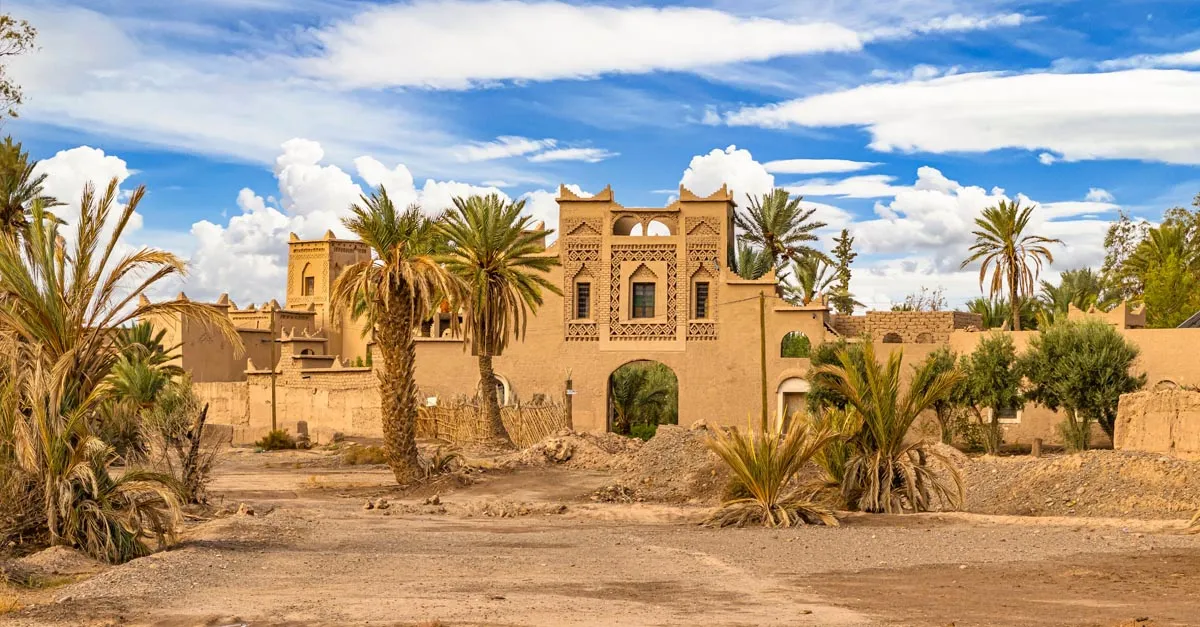
A kasbah in the Moroccan Sahara. Image credit: Shutterstock/Kadagan
Book it
Exoticca offers a 10-day Grand Tour & Kasbah Route itinerary including Marrakech, Casablanca and Ouarzazate from £1,049 per person, based on two travelling, with half-board accommodation, activities, flights and transfers.
exoticca.com
Audley Travel offers a 10-day tailor-made trip to Morocco, including Casablanca, Fez, Errachidia, Erfoud, Erg Chebbi, Ouarzazate and Marrakech, from £4,995 per person, based on two travelling, with breakfast, some excursions, flights and private transfers.
audleytravel.com
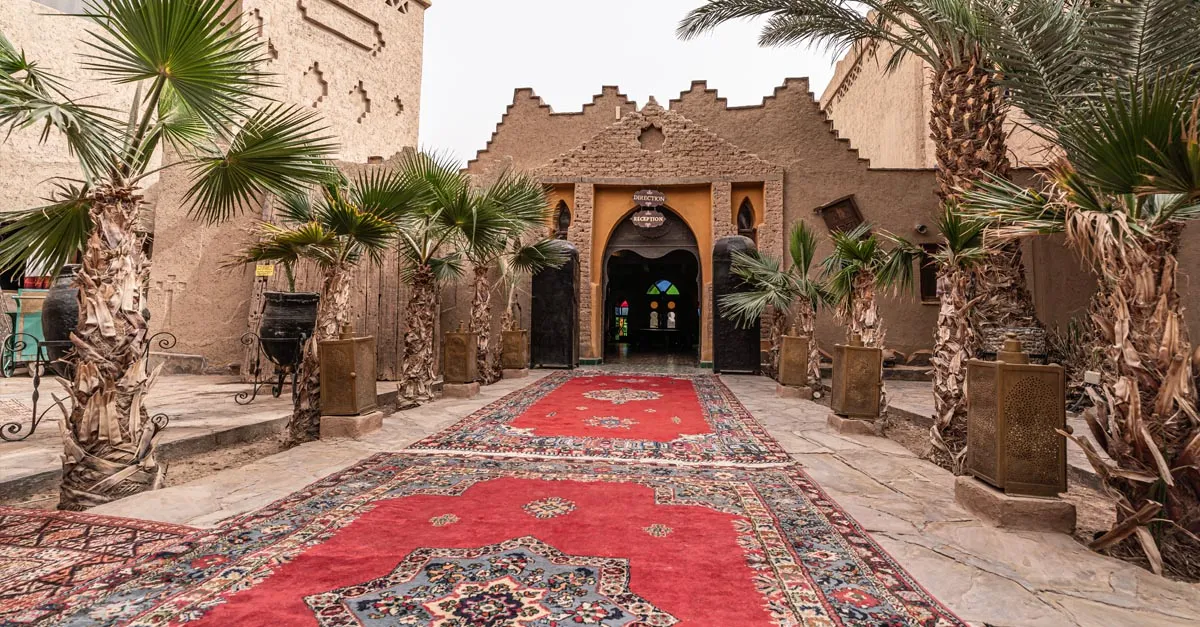
Kasbah Hotel Xaluca. Image credit: Jo Fernández
Best kasbahs to book in Morocco
❂ Built by Berbers with thick stone or adobe walls to protect their communities, kasbahs tend to be dotted around the edge of the Sahara and in the mountains. Today, travellers can stay in kasbahs and hotels mirroring this ancient architecture with cooling courtyards to reflect the rich cultural heritage of these sturdy yet splendid structures.
❂ Kasbah Hotel Xaluca near Erfoud is an atmospheric affair with palm-lined swimming pools, shaded courtyards and Moroccan pottery. Wake up to desert views and feast-like breakfasts, with little touches such as fossil motifs in the bathrooms, a nod to the many found in the area.
❂ Kasbah Erg Chebbi is another modern property, with relaxing rooms featuring carved ceilings and cosy tents.
Agent views

“I was captivated by Morocco. The food we tasted was unforgettable, from slow-cooked tagines to fluffy couscous. The rich culture felt welcoming and the kindness of the people made the experience meaningful.”
Amy Thorne, sales advisor, Thomas Cook

“This itinerary – and Morocco itself – exceeded all my expectations. Staying in a bivouac in a luxury desert camp was out of my comfort zone and the whole experience is something I will remember forever.”
Hannah Prosser, personal travel consultant, Hays Travel

“I thoroughly enjoyed our adventure. A particular highlight was a traditional lunch at the femalerun Tawesna restaurant, where you could feel that the amazing food was made with love. A unique experience.”
Nikki Pennington, Travel Counsellors
Lead image credit: Grup Xaluca




Jacobs Media is a company registered in England and Wales, company number 08713328. 3rd Floor, 52 Grosvenor Gardens, London SW1W 0AU
© 2025 Jacobs Media

