




You are viewing 1 of your 2 free articles
High street agencies assess impact of Budget pledges
Lower business rates welcomed but not visitor tax, reports Ian Taylor

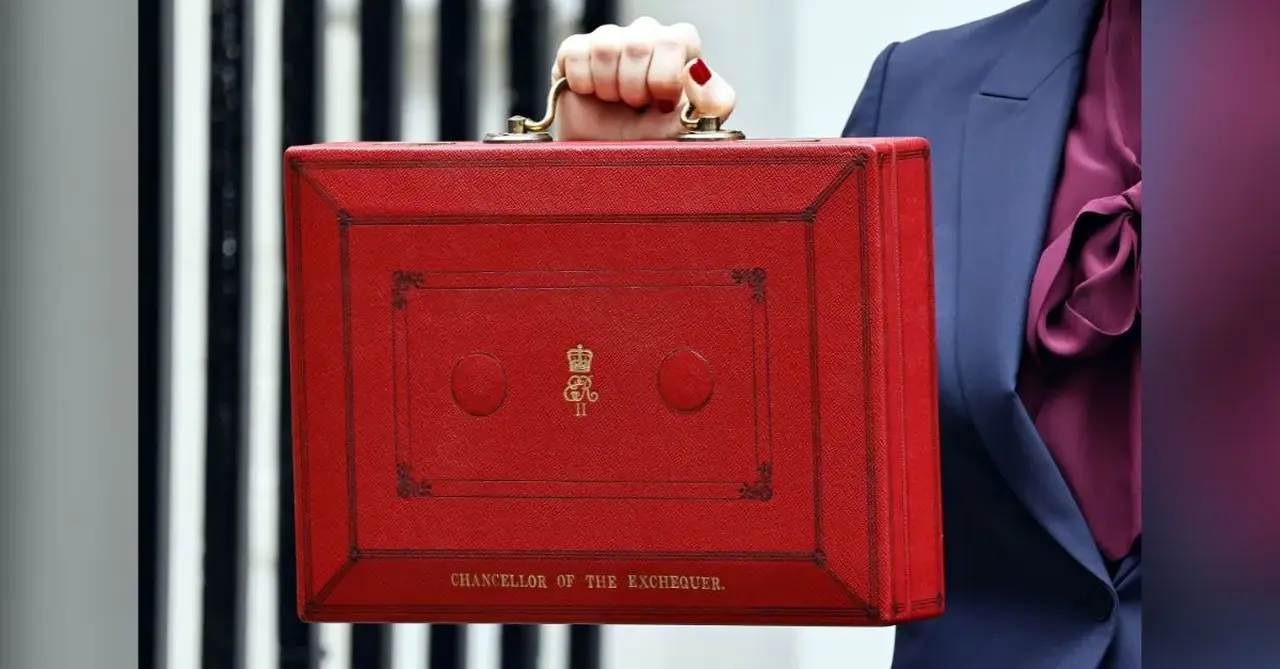
The Budget unveiled by the chancellor last week following months of speculation and conflicting government briefings appeared to please no one other than the markets.
There was little talk of growth this time but a mass of detail which made the cumulative impact of multiple tax rises and reliefs difficult to measure aside from a total increase of £26 billion a year.
Abta chief Mark Tanzer welcomed “the move to support high street businesses, including travel agencies, through a permanently lower level of business rates”, though he rightly noted “it will take some time to assess the impact”. However, any immediate benefit on business rates will be countered by loss of the remaining 40% Covid-era relief from next April, and airports were upset since their rates payments will double.
The British Retail Consortium rightly called it a “mixed bag” given the surtax on larger premises to pay for the reduction in rates for smaller retail and hospitality properties, noting it “fell short of the action needed to secure the long-term future of our high streets”.
The hospitality and inbound tourism sectors were also upset at mayors being granted powers to tax overnight visitors, with the UKinbound association calling for tax schemes to “be simple fixed-rate and low-cost” and for revenues to go back into the visitor economy.
There was ritual criticism of an inflation-linked rise in Air Passenger Duty from April 2027 on top of the rise in rates already planned from next April – including a £2 rise to £15 in APD on economy short-haul fares.
A rise in the minimum wage to £12.71 had been expected, as had a rise in the minimum rate for those under 21, but it will still mean higher costs for business.
However, the biggest tax rise –the headline three-year extension of the freeze on the higher rate of income tax threshold – won’t kick in until April 2028.
The most notable response, aside from the widespread criticism and claims chancellor Rachel Reeves had misled everyone, was the low-key reaction of the markets.
Fears of a fall in the pound and rise in the cost of government debt did not materialise. Deloitte UK economist Ian Stewart noted that, from a government borrowing point of view, it was the “best Budget-day performance in 20 years”.
That was mainly because Reeves increased the financial headroom for hitting her spending target from £10 billion to £22 billion. But as Stewart pointed out, that “doesn’t solve Britain’s debt problem”.
The Budget pushed addressing the debt to near the end of this Parliament when the Treasury has pencilled in significant spending cuts. That may prove difficult ahead of an election.
One financial commentator congratulated Reeves on “picking a path through a minefield without detonating anything”. But another warned the UK risks “a loop where each fiscal event becomes harder than the last” and the markets’ verdict “is far from sealed”.









More Content




Jacobs Media is a company registered in England and Wales, company number 08713328. 3rd Floor, 52 Grosvenor Gardens, London SW1W 0AU
© 2025 Jacobs Media
