
You are viewing 1 of your 2 free articles
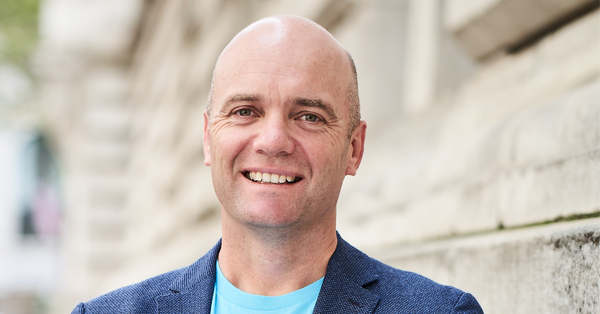
Ensure your staff are part of the plan from day one if you are building a strategy for recovery, growth or transformation, says MyExec founder Abby Penston

The era of late nights, relentless KPIs, and top down control in travel is over. Today, progressive and profitable travel businesses are shifting away from the outdated notion that performance only comes through pressure. In its place is a people first model that fuses emotional intelligence with strategic delivery.
As the sector recovers, rebuilds, and redefines itself post pandemic, leaders are discovering what should have been clear all along: people are not just part of the strategy, they are the strategy.
From tour operators and TMCs to OTAs and DMCs, the travel industry is powered by people navigating complexity, emotion, and constant change. So why are so many strategic plans still built with a laser focus on numbers and tech, while overlooking the people expected to deliver it?
A strategy is your roadmap to recovery, growth, or transformation. Just like you forecast finances and consider technological infrastructure when building it, you must assess your team’s readiness mentally, emotionally, and culturally to execute on that vision.
In travel, emotional intelligence is not just a soft skill, it is a core competency. Frontline teams deal with stress, uncertainty, and demanding customers. Behind the scenes professionals face supply chain pressures, stakeholder demands, and the constant need for reinvention. Leaders who understand how their teams think and feel can make faster, smarter decisions that stick.
According to TalentSmart, emotional intelligence accounts for 58 percent of job performance. In fact, 90 percent of top performers score highly in it. In travel, where the product is the experience, empathy, clarity, and confidence are not optional. They are essential.
During my time as CEO of the Focus Travel Partnership, I led a network of 60 TMCs through the most uncertain period our industry had ever faced. The early days of the pandemic were not just operationally intense, they were deeply human. People were scared, uncertain, and overwhelmed. It was in this moment that I realised just how critical it is to view your team not just as professionals, but as individuals each with different needs, fears, and motivators.
We ran regular advisory boards during this time, bringing together leaders from across the travel landscape. What became clear was this: the ability to connect with people emotionally, to understand what drives them and support them in moments of doubt, was what held everything together.
That experience changed me as a leader. I am still focused on delivery. I still believe in accountability. But now, I lead with far more empathy. I have seen first-hand that the more you understand and support your people, the more resilient, focused, and successful they become, especially when things are at their toughest.
There is a fear in some corners of the industry that empathetic leadership is weak leadership. That empowering people somehow means compromising on results.
In reality, it is the opposite.
Gallup reports that engaged, supported teams are 21 percent more profitable and see 41 percent lower absenteeism. In travel, where the margin for error is razor thin and customer experience is everything, these margins matter more than ever.
Ignoring team morale and emotional resilience in your rollout plans is a blind spot. It is as risky as underestimating costs or tech implementation challenges.
As an industry, we also have a responsibility to create a workplace that attracts and retains the next generation of talent. The industry’s future depends not just on innovation and sustainability, but on whether young people see this as a sector where they can belong, thrive, and grow.
This generation expects more than just a salary. They want purpose. They want wellbeing. They want inclusion. And they want to be part of something meaningful.
If we continue to push outdated leadership styles, we risk losing them to industries that are already making empathy and emotional intelligence part of their employer brand. The travel industry can and should lead the way in redefining what a modern, people focused culture looks like.
Creating emotionally intelligent environments isn’t a nice to have. It is a vital strategy for talent attraction, retention, and future proofing the industry.
When activating a strategy, you should be checking not only whether the plan is viable, but whether the people involved are ready to deliver it.
You should therefore consider:
If you have hired the right people, your job is not to manage them harder, it is to support them better. When empowered, engaged, and aligned with purpose, travel professionals deliver far more than their job description. They bring passion, innovation, and resilience, qualities this industry depends on.
As the travel sector moves forward, it is time to design strategy not just for the business but with the people behind it. This is not about lowering expectations, it is about raising the bar for how we lead.
People power is not a trend. It is travel’s greatest strategic advantage.
If you are building a strategy for recovery, growth, or transformation, make sure your people are part of the plan from day one. Because when you invest in them, they will invest in your success.