




You are viewing 1 of your 2 free articles
Iran war ‘costing Middle East travel and tourism sector $600m a day’

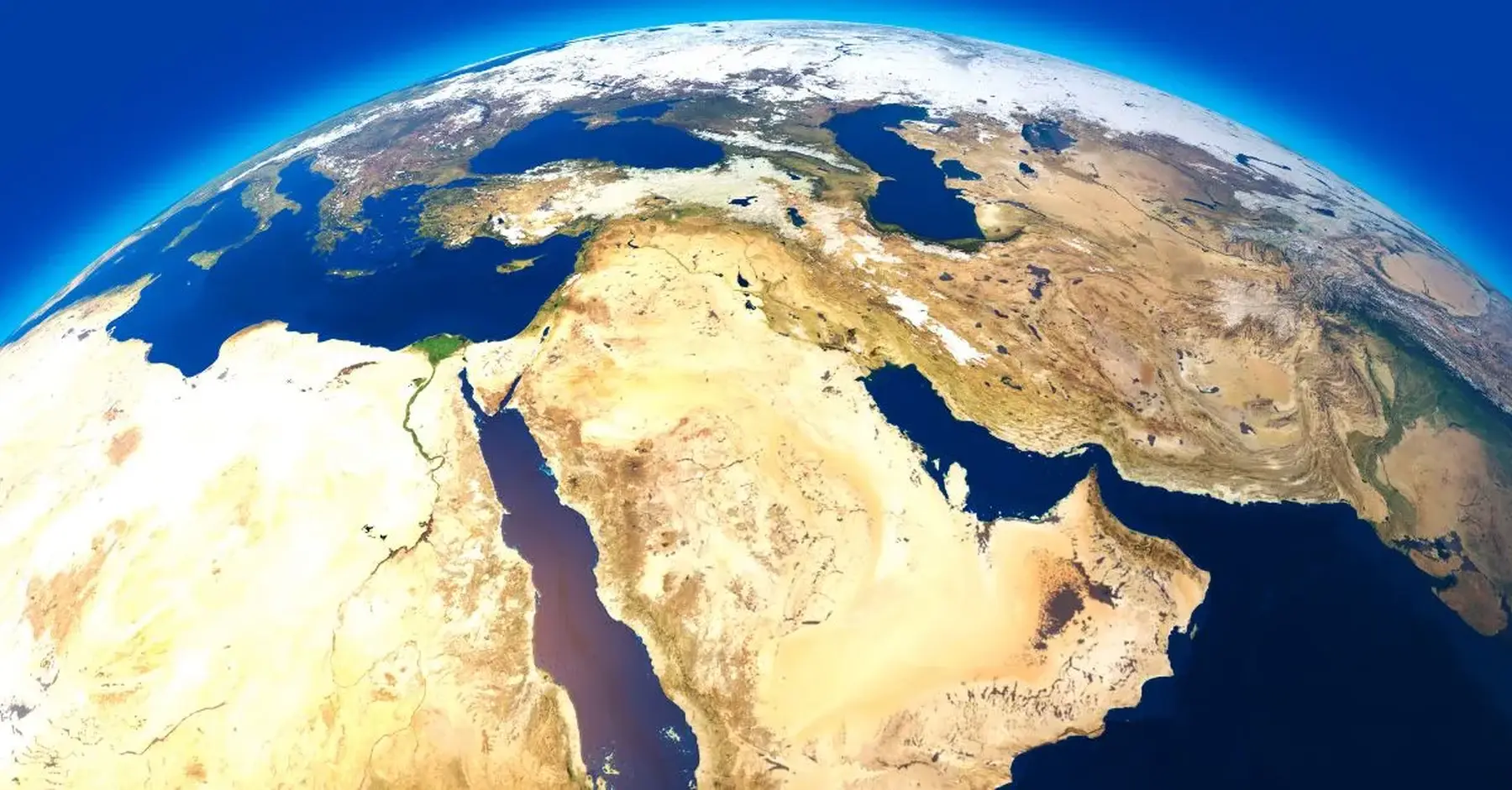
The escalating war in Iran is already impacting the Middle East travel and tourism sector by at least $600 million a day, according to new calculations.
The conflict is impacting international visitor spending as disruptions to air travel, traveller confidence and regional connectivity affect demand, estimates by the World Travel & Tourism Council (WTTC) suggest.
The analysis is based on a pre-conflict forecast for the Middle East, which projected $207 billion in international visitor spending across the region this year.
Any disruption to travel flows quickly translates into substantial economic impact across the tourism ecosystem, the global travel trade body pointed out.
The Middle East accounts for 5% of global international arrivals and 14% of global international transit traffic.
Any disruption affects demand worldwide, which impacts airports and flights, hotels, car hire companies and cruise lines.
The major regional aviation hubs including Dubai, Abu Dhabi, Doha and Bahrain, which together normally process around 526,000 passengers a day, have faced closures and operational disruption affecting regional and global connectivity.
However, WTTC research of previous crises shows that tourism demand following security-related incidents can recover in as little as two months when governments and industry act quickly to restore traveller confidence.
WTTC is continuing to monitor developments on behalf of its members and remains in close contact with governments and industry leaders to support the safety of travellers and the resilience of the global travel industry.
President and chief executive Gloria Guevara said: “Travel and tourism is the most resilient of sectors.
“The impact of international visitor spending across the Middle East is significant and averages around $600 million per day, but history shows that the sector can recover quickly, especially when governments support travellers through hotel support or repatriation.
“Our analysis of previous crises demonstrates that security-related incidents often see the fastest tourism recovery times, in some cases as quickly as two months, when governments and industry work together to restore traveller confidence.”
She added: “WTTC commends governments who have worked tirelessly in recent days to support recovery efforts.
“Clear communication, strong co-ordination between the public and private sectors, and measures that reinforce safety and stability are critical to rebuilding trust with travellers and supporting the sector’s recovery.”
Related Content












More Content




Jacobs Media is a company registered in England and Wales, company number 08713328. 3rd Floor, 52 Grosvenor Gardens, London SW1W 0AU
© 2025 Jacobs Media
