




You are viewing 1 of your 2 free articles
Travel industry continues to treat climate change 'too narrowly'

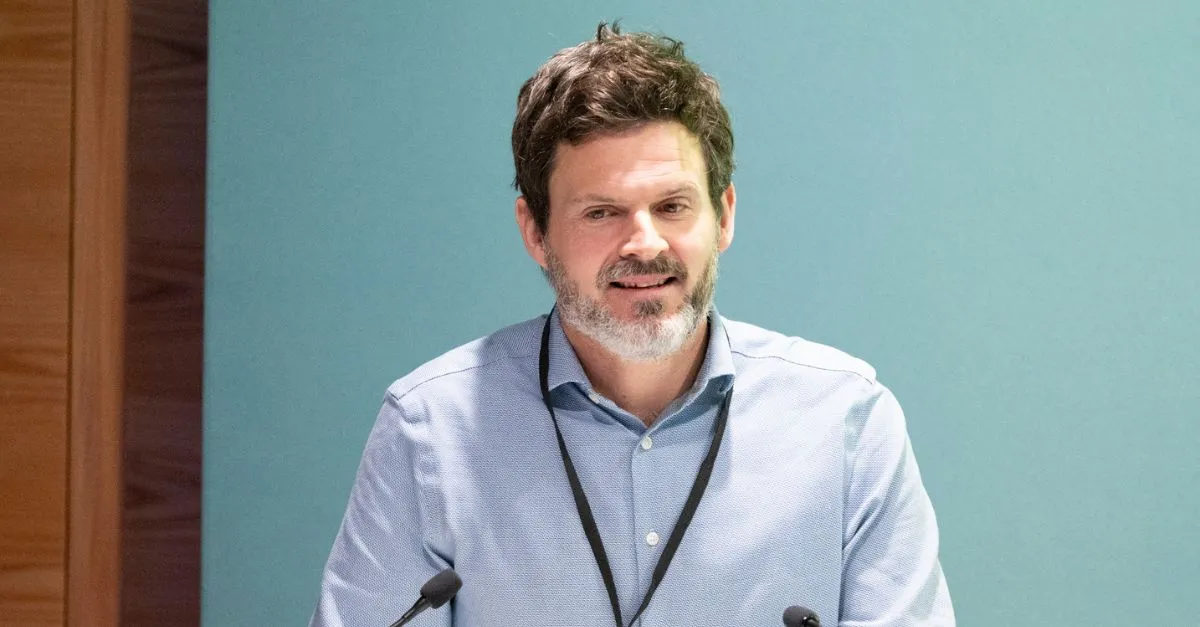
The travel industry continues to treat climate change “too narrowly” with “marginal, reactive” responses rather than tackling the bigger picture, Travel Weekly’s Sustainability Summit heard.
Speaking at the summit, Ben Lynam, head of communications and research at The Travel Foundation, forecast climate change would lead to a global “north-south divide” in tourism demand as temperatures rise, with some destinations potentially being “delisted” by holiday companies.
He said: “Everyone’s been asking, ’What is the sustainability business case?’ It doesn’t come from customers asking for it. It never has done. It comes from the operational risk.
“We’re still treating climate change far too narrowly, and the real issue is structural. If we continue responding only at the level of product and promotion, more businesses will struggle with unpredictable disruption.
“More destinations will become too costly to insure, more communities will question whether tourism contributes to their resilience.”
Citing the likelihood of a two-degree increase in temperatures over the next 10 to 15 years in the northern hemisphere, he said this would equate to countries being “1,000 kilometres further south than they are today” and London becoming “a bit more like Barcelona” and suffering similar issues to Catalonia, such as serious droughts.
He said tourism demand globally would move further north as a result of rising temperatures.
“There are going to be winners and losers in this; there’s clearly a shift northwards. Small island nations will be particularly vulnerable. These are places that are economically dependent on tourism but most at risk from climate impacts,” he added.
The tourism sector’s response to climate change so far had been “very little”, he said, with the industry focusing on promoting shoulder seasons and switching from skiing to mountain biking rather than the bigger picture.
“This is all kind of marginal, reactive stuff,” he said, noting: “We need to be a bit more honest with ourselves. Climate change isn’t really just about whether or not the beach is still going to be there, or whether or not the season is shifting.”
He urged the sector to look at the impact of climate change on assets, such as hotels and infrastructure becoming too expensive to insure or operate, on workforce availability and on water supply costs, as well as the effect on the supply chain and on demand.
He highlighted the impact on companies and destinations’ competitiveness, predicting some holiday locations could be “delisted” by the trade as a result of climate change.
He insisted: “Cost is really going to become a major factor here, I think, potentially more so than just whether or not you think it’s going to be a bit hot in a place that you’re going to visit, and there’s the potential for exclusion from travel lists, basically being delisted by tour operators, by OTAs, by airlines.”
He added: “These are things that I don’t think we’re talking about when we talk about adaptation.”
But he stressed there was still time for companies and destinations to change their response to climate change.
“The destinations that succeed won’t simply be those that are in the cooler climates or higher altitudes. They’ll be the ones that act early and redesign for resilience,” he said, stressing: “But we need a big picture response.”
The Travel Foundation has already published four-pronged strategy to tackle climate change “more systematically”, which includes a call for a global risk register; a focus on funds needed to be climate-ready; a tourism transition facility for destinations to become more resilient; and a review of accountability to ensure communities benefit fairly.
Related Content









Related Content







Jacobs Media is a company registered in England and Wales, company number 08713328. 3rd Floor, 52 Grosvenor Gardens, London SW1W 0AU
© 2025 Jacobs Media
