




You are viewing 1 of your 2 free articles
Hearts and crafts: discover the artistic side of Italy's Amalfi Coast
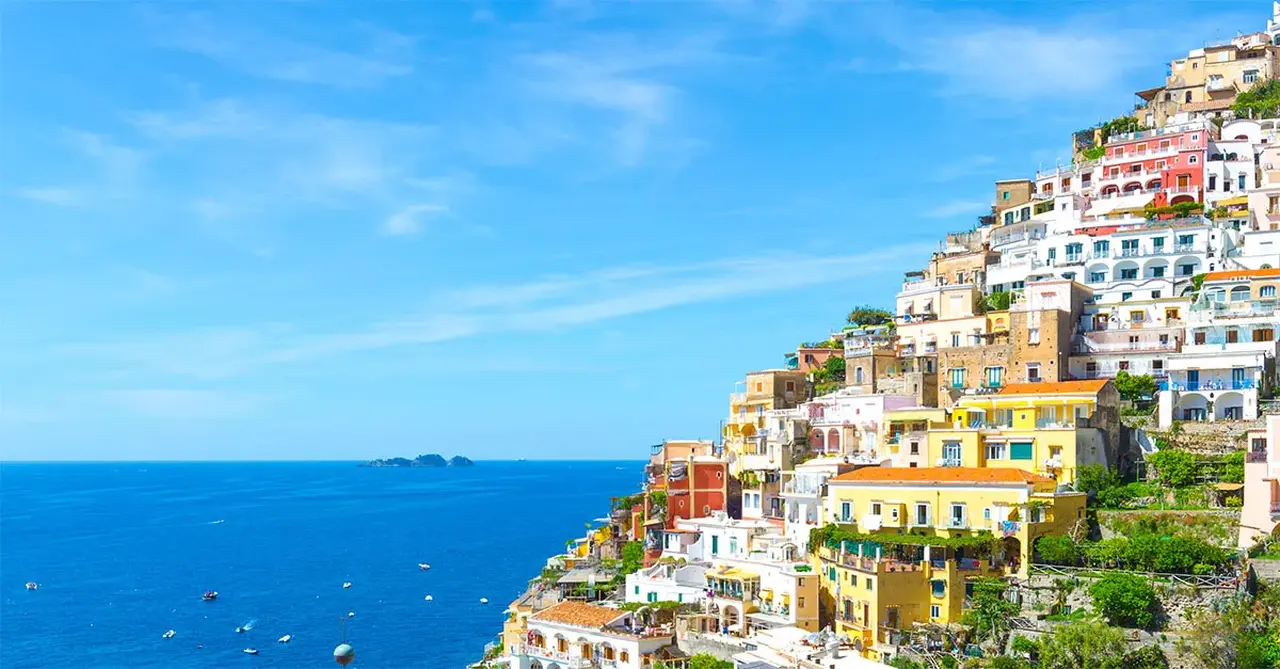
A passion for artisanal skills shapes a slower pace of life on Italy’s Amalfi Coast

Click here to download and save as a PDF
Standing 11 metres beneath Positano’s Church of Santa Maria Assunta, I’m face to face with vivid frescoes in colours so bright they might have been completed yesterday.
Buried in AD79 by the same Vesuvian eruption that engulfed Pompeii, this Roman villa lay undiscovered until 2003 – and is one of Italy’s most significant recent archaeological finds. It’s a powerful, intimate reminder that the Amalfi Coast has long been home to people who make things designed to last.
That legacy is woven into the fabric of daily life across this Unesco-listed coastline.
Beyond the busy sunloungers and clifftop vistas lies another Amalfi Coast, one where workshops use centuries-old techniques to sculpt everyday objects into works of art, and which travellers can see for themselves if they skip the summer peak and go slowly enough to appreciate their surroundings.
Valle dei Mulini
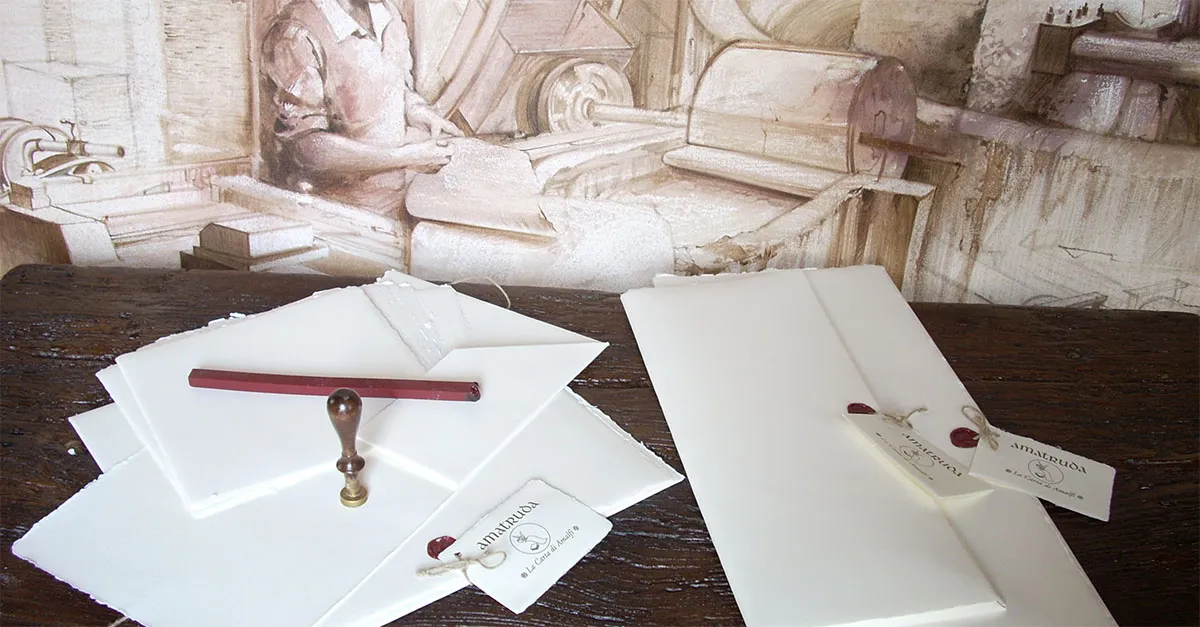
Paper from Cartiera Amatruda. Image credit: Cartiera Amatruda
A 30-minute walk inland from Amalfi’s bustling harbourfront, winding first through colourful souvenir shops then terraced lemon groves, brings you to the Valle dei Mulini (Valley of the Mills).
As the path climbs away from the water, the tourist crowds begin to thin. The valley is a world apart from the coastal hubbub: framed by high limestone walls that act as a natural sound buffer, it’s noticeably quieter.
Here, I meet Giuseppe Amendola Amatruda in his family’s 15th-century paper mill. His grandmother, Rosa, taught him the craft as a child, continuing a tradition that family legend suggests may stretch back to the 13th century.
“This area is the birthplace of Italian papermaking,” says Giuseppe. “The slower pace of life, the emphasis on quality and the appreciation for natural beauty all encourage patience and precision.”
As Giuseppe’s hands work cotton rags into pulp, he tells me: “The process is meditative and deeply satisfying. It connects me to the artisans who performed these same steps centuries ago.”
The resulting paper, with its distinctive irregular edge and subtle imperfections, feels almost alive in my hands: textured, individual and undulating just like the cliffs that form the backdrop of the mill.
Traditional Italian gozzo boats
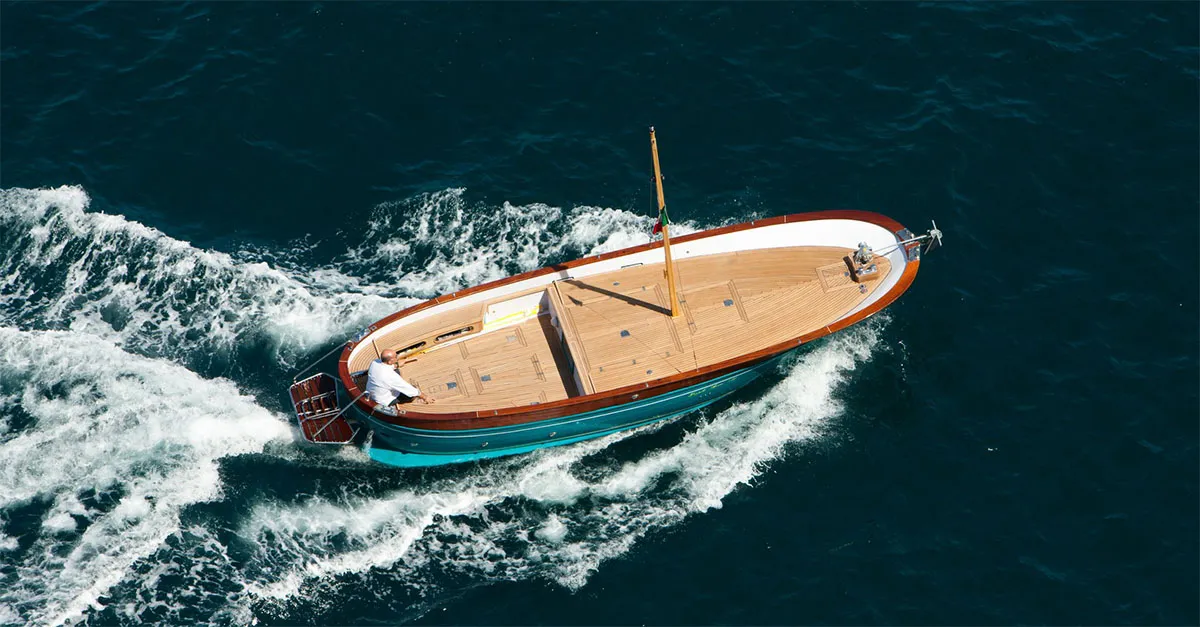
A gozzo boat by Fratelli Aprea shipyard
On the blue Bay of Naples lies Sorrento. Here, the Fratelli Aprea shipyard represents seven generations of traditional boatbuilding. “We’ve always been drawn to the authenticity and soul found in traditional craftsmanship,” says Giuseppe Acampora, the company’s sales manager, as he gestures to the distinctive mahogany gozzo dinghies on the production line.
Watching a gozzo take shape – the shuffling of sandpaper across wood, precise joining of planks and handfinishing that gives each vessel its character – transforms every subsequent boat sighting into something more poetic, understanding the hours of skilled labour and generations of accumulated knowledge that have gone into it.
“Local traditions are at the heart of everything we do, from the techniques we use to the woods and colours we choose,” says Giuseppe. “The coast’s natural beauty, its architecture and its folklore are constant sources of creativity.”
Should clients want to experience a gozzo for themselves, plenty of Sorrento-based operators offer both self-drive boat rentals and guided tours with skippers on Fratelli Aprea vessels.
Along the coast in Praiano, Leonardo Scala continues a 50-year musical legacy. At the top of the town’s steep scalinatella (stairways), his Liuteria Scala workshop is filled with maple and the smell of wood resin.
Leonardo and his father, Pasquale, use 17th-century templates to construct traditional instruments such as the mandolin and guitar-like chitarra battente by hand, from the intricate bone and mother-of-pearl inlays to the final varnishing, ensuring these Mediterranean designs continue to be played – rather than just admired in museums.
Souvenir shops in Positano
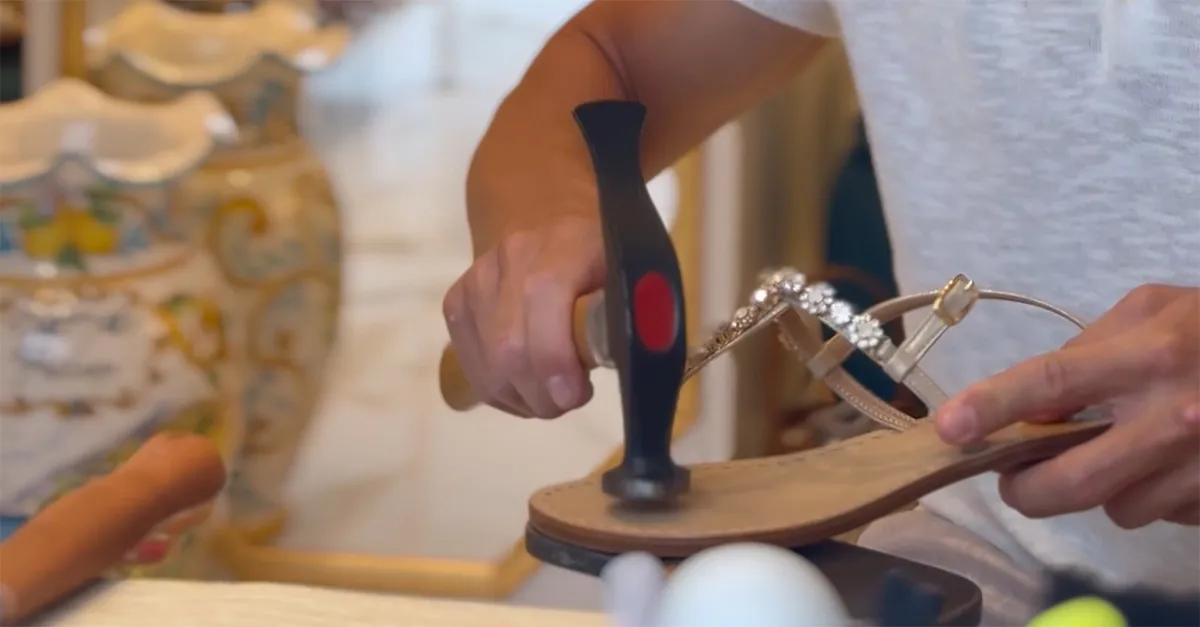
Lorenzo Ruocco makes a pair of sandals in Positano. Image credit: Nanà Positano
Back in stylish Positano, clients can pick up a variety of planet-friendly mementos. Lorenzo Ruocco, a third-generation shoemaker at Nanà Positano, runs a serene sandal-making workshop just a stone’s throw from the busy beach.
“When someone buys from us, they’re not just getting sandals – they’re embracing a story, an experience and a piece of Positano to carry with them wherever they go,” says Lorenzo.
On the other side of the beach, Creo offers a sustainable alternative to plastic eyewear, with frames handcrafted on-site from 60 types of wood.
Nearby food supplier Valentì offers another hands-on connection to the region’s heritage. In its workshop, visitors discover the secrets of Mamma Emilia’s original limoncello recipes, preparing their own bottles using traditional methods.
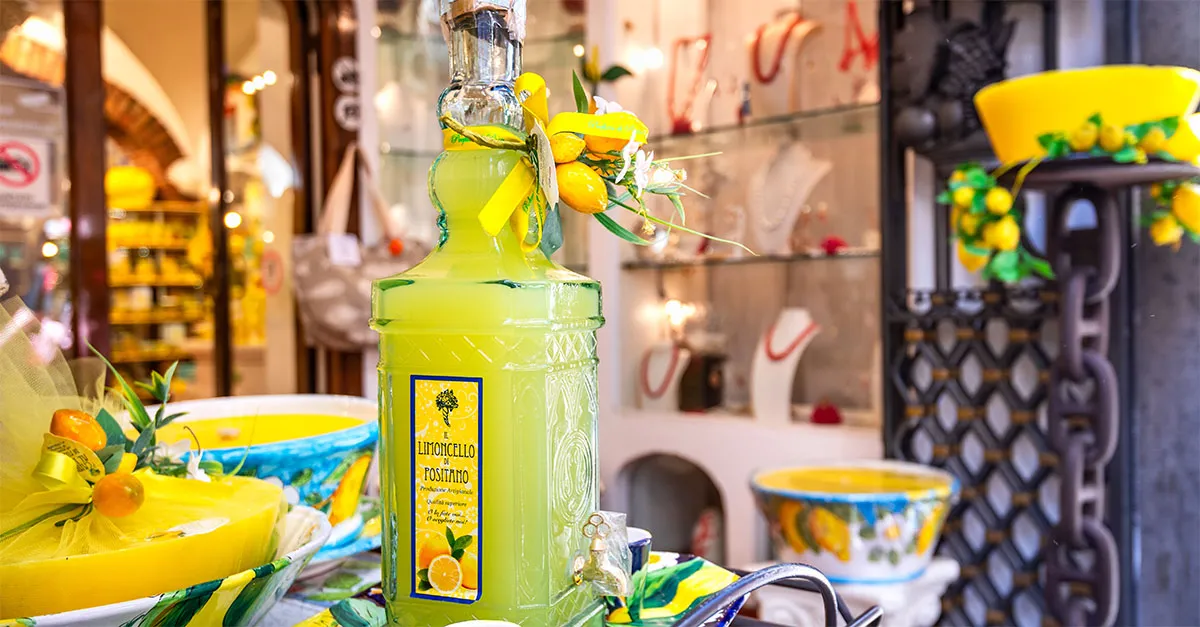
A bottle of Limoncello in Positano. Image credit: Shutterstock//ECSTK22
As I explore lesser-known pockets of the Amalfi Coast, a theme emerges: this environment encourages creativity.
The dramatic geography fosters self-sufficiency while the natural beauty – vivid blue seas, bright-yellow lemons, steep green terraces – provides endless inspiration.
There exists a deep respect for work that is carried out not simply for profit, but also for pleasure.
The fact these workshops are sprinkled in tiny corners up and down the coast, rather than in a crafts quarter, means clients can explore a more traditional side to this region, no matter where they stay.
Encourage visitors to take time away from the beach and its photo spots, and they will realise the Amalfi Coast safeguards something rare: a culture where making things well still matters.
Book it
Kirker Holidays offers three nights’ B&B at the four‑star Hotel Poseidon in Positano from £1,195 per person, based on two sharing. The price includes flights and private transfers.
kirkerholidays.com
Exodus Adventure Travels offers a seven‑night Walking the Amalfi Coast tour from £1,609 per person for a July 11 departure, based on two sharing. The price includes most meals and all transport within Italy, but excludes flights.
exodus.co.uk
Review: Hotel Poseidon, Positano
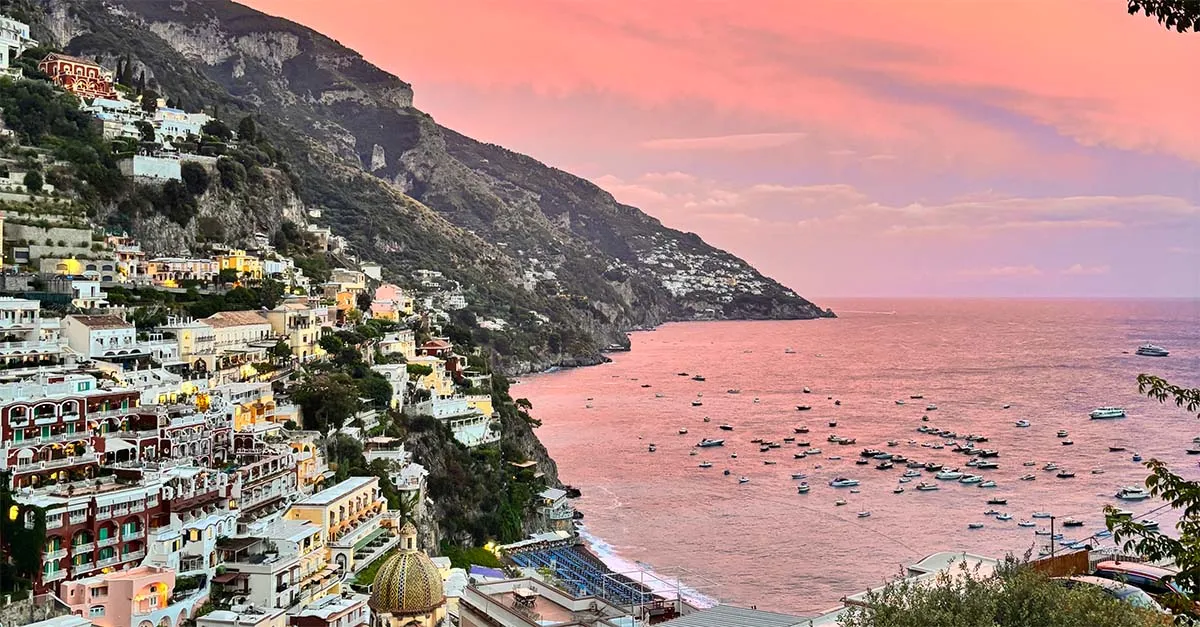
Image credit: Joseph Phelan
Hotel Poseidon offers a wide‑angled sweep of Positano’s narrow streets and glittering sea – best admired from the pool and sun terrace.
The 48‑room, family‑run property balances historic charm with sun‑drenched rooms and hand‑painted tiles.
What truly sets it apart is the hospitality of Monica Aonzo and her daughters, Margherita and Liliana, who manage the rare feat of making a world‑class hotel feel like a private home.
Rooftop restaurant and bar Il Tridente is led by Napolitan chef Antonio Sorrentino, and gives the Hotel Poseidon serious foodie appeal. Standard rooms start at €400 per night.
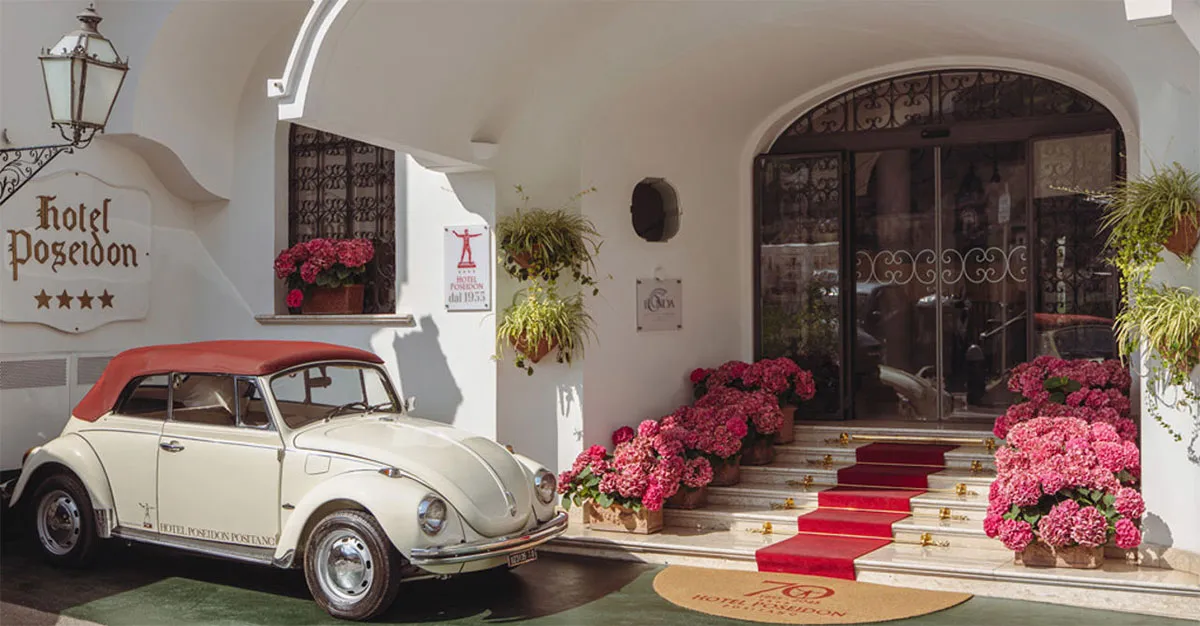
Lead image credit: Shutterstock/iacomino FRiMAGES











Jacobs Media is a company registered in England and Wales, company number 08713328. 3rd Floor, 52 Grosvenor Gardens, London SW1W 0AU
© 2025 Jacobs Media
