




You are viewing 1 of your 2 free articles
Gulf crisis ratchets up to new level amid Strait of Hormuz blockades

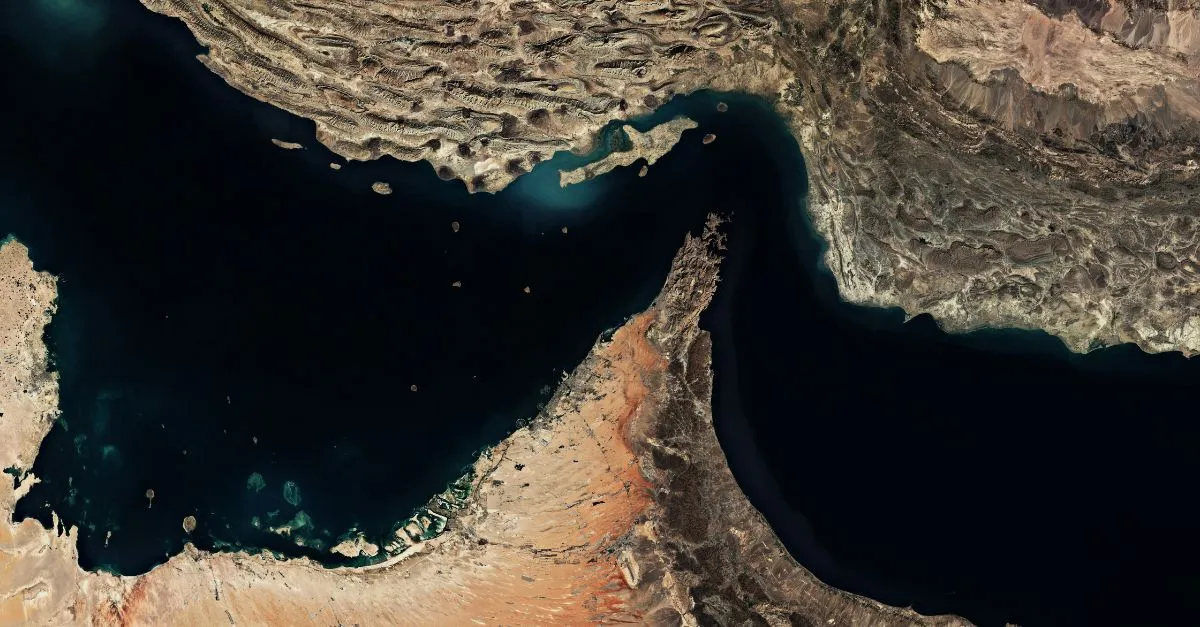
The crisis in the Gulf has ratcheted up to a new level with the US blockading Iran’s ports, Iranian-linked ships passing through the Strait of Hormuz towards potential confrontations with US forces, Iran threatening shipping in the Red Sea and China denouncing the US action.
One analyst described the US blockade as “fine by the Iranians [as] it prolongs the chokehold on the global economy.” Another suggested: “It shows President Trump is willing to risk prolonged disruption.”
At the same time, Trump continues to suggest to reporters that the war is near an end and that a deal could be agreed within days, although Iran has dismissed the possibility.
Virgin Atlantic chief executive Corneel Koster warned of higher air fares becoming entrenched as the carrier completed its inaugural flight from Heathrow to Seoul, saying: “No matter what happens in the Gulf, disruption to global energy prices will be here to stay.”
Fears of a lack of jet fuel for flights continues to hit the headlines after the European airports association ACI Europe warned of shortages “within the next three weeks”.
An imminent shortage was confirmed in off-the-record remarks to reporters by a UK government minister who said Britain is “two to three weeks away” from shortages of jet fuel and diesel and this would require “some tough decisions”.
More: Agents say clients’ EES anxiety ‘largely not matched by reality’
The headlines led Advantage Travel Partnership chief executive Julia Lo Bue-Said to demand “information to travellers remains accurate” so as not to cause “unnecessary alarm”.
She pointed out: “Supply risks are being monitored closely, [and] the UK government and UK airline representatives point to robust contingency planning and resilient supply chains.”
However, Association of Atol Companies advisor Alan Bowen noted: “If we get to the end of May and we’re not getting any fuel, we’ll clearly have an issue.”
He said: “We hoped the ceasefire would bring a boom, but it hasn’t.
“I suspect a lot of people are waiting to see what happens after the two-week ceasefire.”
Sandra Corkin, executive director of Oasis Travel, said: “We’re definitely seeing an impact. Sales and enquiries have been a bit stronger since Easter, but we’re getting cancellations for summer as balances become due.
“People are putting off decisions and feel apprehensive about committing to long-haul bookings.”
Barclays card-spending data for March, released on Tuesday, showed a fall in the value of travel transactions for the first time since the pandemic, despite a 0.9% increase in spending overall year on year – although this lagged the 3.4% inflation rate.
Confidence among chief financial officers (CFOs) at the UK’s largest companies has also fallen to its lowest since the early months of the pandemic, according to the latest Deloitte CFO Survey.
Barclays reported consumer spending on essentials rose for the first time in eight months as fuel prices surged, but spending on trips abroad fell 3.3% year on year and spending with travel agents was down 4.6%.
A Barclays consumer poll found 70% concerned about rising travel costs and 57% worried about travel disruption, while 11% reported cancelling their travel plans.
The findings tallied with a Responsible Travel poll of 112 travel businesses which found 80% reported falling bookings since the start of the war.
Related Content

















Jacobs Media is a company registered in England and Wales, company number 08713328. 3rd Floor, 52 Grosvenor Gardens, London SW1W 0AU
© 2025 Jacobs Media
