




You are viewing 2 of your 2 free articles
Agents shouldn't be left out of suppliers' consumer-facing events
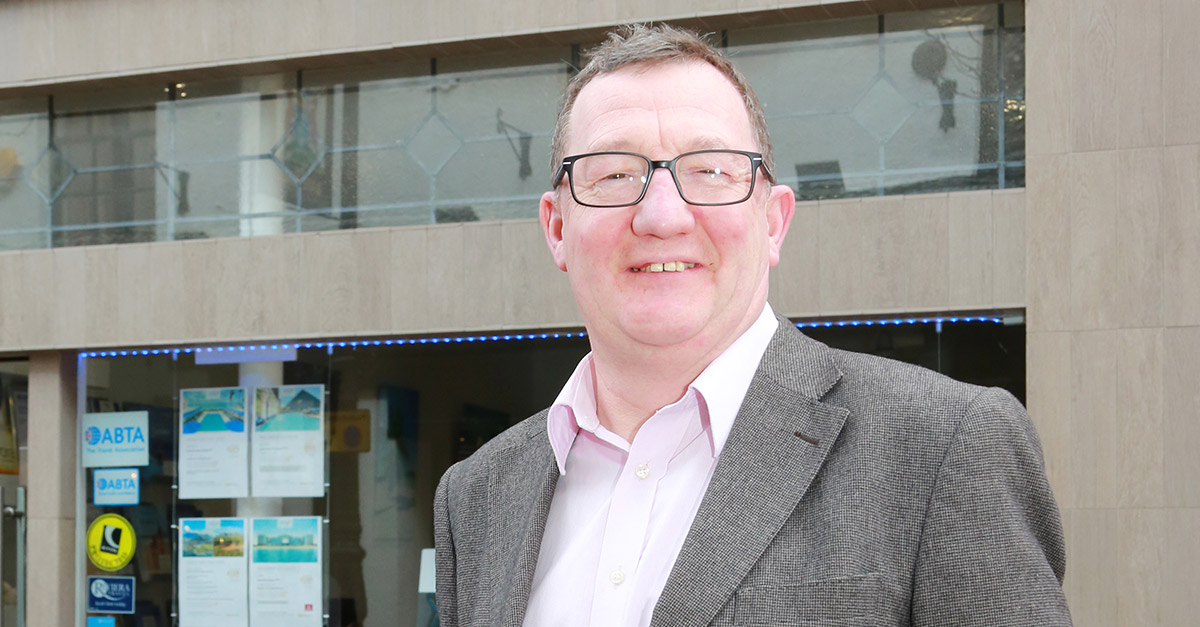
Henbury Travel’s Richard Slater identifies a missed opportunity for higher revenue

In recent months, a growing number of tour operators have begun hosting consumer-facing “information sessions”, travel roadshows and destination events across the UK.
Marketed as complimentary, inspirational and educational, these events introduce travellers to river cruises, escorted tours and long-haul itineraries – often accompanied by exclusive offers and on-the-day booking support.
On the surface, there’s nothing inherently wrong with that. Operators have every right to promote their products and stimulate demand. But among travel agents, a quieter – and increasingly commercial – question is being asked: why are these events happening without the very people best placed to convert interest into bookings?
The rise of the consumer roadshow
From river cruise brands hosting local information evenings to escorted tour operators running free travel roadshows and steering customers to major consumer shows, the model is becoming familiar. Consumers are invited directly via email marketing and paid social, encouraged to attend events near them, meet “travel experts” and, if ready, book.
The language used is usually careful – “information”, “inspiration”, “planning your next journey”. Yet the mechanics are familiar: registration captures customer data, incentives and bonus offers are highlighted, and booking support is readily available.
For many agents, this feels less like education and more like a parallel retail pathway being built alongside – or instead of – the traditional agent relationship.
A missed opportunity for higher revenue
What makes this trend particularly puzzling to agents is that it overlooks a commercial reality: face-to-face agents consistently generate higher booking values.
Agents don’t simply process transactions. In person, they:
- Upsell cabins, room categories and extensions
- Add flights, insurance and ancillary services
- Match customers to the most suitable itinerary, not just the one featured
- Increase overall yield while reducing post-booking friction
So agents are asking: why aren’t they being invited to these events to introduce themselves and look after clients properly?
A short face-to-face introduction between an agent and an interested customer at an event can turn inspiration into a much higher-value booking once the customer returns home.
Why not work together?
Local travel agents already:
- Know many of the customers attending these sessions
- Understand their budgets, travel histories and preferences
- Will be responsible for service, changes and reassurance long after the event ends
In many cases, agents have spent years championing the very brands now hosting these consumer-only sessions.
These events could easily become collaborative showcases. Operators could invite local agents to attend, introduce themselves to guests, and act as the post-event booking partner.
Events could be co-hosted or co-branded with nearby agencies or consortia, with clear referral pathways and commission protection in place.
If the aim is genuine inspiration, why not inspire customers to book with their local travel expert?
The trust gap
Operators are quick to reassure the trade that they remain “agent-first” and committed to partnerships. Many continue to invest in agent training, webinars and familiarisation trips, which are undeniably valuable.
But optics matter.
When agents see marketing budgets directed towards consumer roadshows, paid social campaigns and direct booking environments – with no visible role for the trade – a disconnect emerges between stated values and operational reality.
For independent agents in particular, there is growing concern that they are expected to support brands and promote campaigns, while suppliers simultaneously develop direct consumer engagement strategies that bypass them at the most commercially valuable moment: face-to-face decision-making.
Duplication, not efficiency
By excluding agents from these environments, operators risk shouldering the full burden of follow-up– handling queries, managing indecision, processing bookings, amendments and after-sales care. This is precisely the work agents are structured to handle – and handle efficiently.
Including agents would not dilute brand messaging. It would extend it, improve conversion quality and increase booking values, while preserving long-term customer satisfaction.
A constructive way forward
This trend is not about stopping consumer events – it’s about rethinking them.
Invite agents. Let them introduce themselves. Use their skills to upsell, personalise and increase yield. Credit referrals. Co-host sessions. Use events to drive customers back to local agencies rather than leaving them in a direct-sales vacuum.
Because if operators truly see agents as long-term partners, the question isn’t why these events exist.
It’s why the industry’s best face-to-face sellers aren’t in the room.
Until that gap is addressed, consumer “information sessions” will continue to raise an uncomfortable but commercially valid question for the trade: are these events really about inspiration – or are they quietly reshaping the sales model without a proper industry conversation?
More Content






More Content





Jacobs Media is a company registered in England and Wales, company number 08713328. 3rd Floor, 52 Grosvenor Gardens, London SW1W 0AU
© 2025 Jacobs Media
