




Idle Travel’s Tony Mann urges industry to prioritise mental health after losing wife

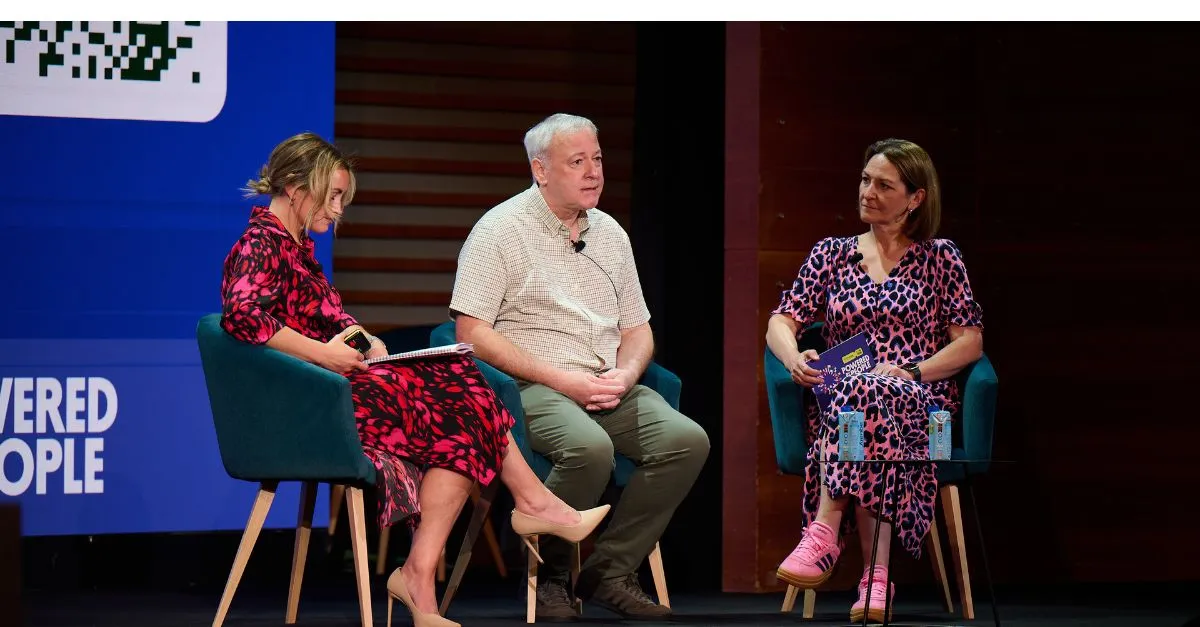
Idle Travel owner Tony Mann has issued an emotional plea for greater mental health awareness, urging industry peers to prioritise mind health following the loss of his wife Andrea.
Andrea, who ran her own business in the West Yorkshire village of Idle, took her own life at the end of the Covid pandemic after struggling to access necessary care.
In a panel session during the Advantage Travel Partnership conference in Madrid, Mann highlighted mental illness can affect anyone, regardless of how successful or popular they are.
“If this illness could take my wife’s life, it could take anyone’s,” said Mann in the panel discussion hosted by April Joy-Serrant, director of training and coaching consultancy The Workplace Collective, describing Andrea as a “fun-loving, cheeky, hardworking” person.
Following his wife’s death, Mann challenged the local Care Trust at the inquest, leading to a report intended to prevent future deaths by improving the mental health system.
He told delegates at the Meliá Castilla that his mission now is to give Andrea a voice and ensure no other family endures similar suffering.
Joy-Serrant highlighted the physiological toll of unmanaged stress, noting that while acute stress can drive growth, prolonged “heightened states” can impair decision-making and lead to burnout.
She revealed 80% of business owners report work impacts their mental health, yet only one in four feels able to seek professional help.
Mann credited the travel community and professional counselling for his recovery and wellbeing.
Despite initial reservations about therapy, he found speaking with someone who had experienced similar loss to be “extremely helpful”.
“You would get physio for a back injury,” Mann said, adding: “Why would you not do that for your mind? It’s just an organ that needs help to get back to working properly.”
Xian Mayes, people manager at Advantage, who was also on the panel, praised the industry’s resilience but stressed the need for “human” leadership.
She encouraged owners to look past surface-level excuses for sickness and start open conversations with their staff.
Mann offered practical advice for agencies, suggesting the use of QR codes in staff areas to allow employees to access support privately.
“Just opening up about how you’re doing is the most important thing,” he advised.
More Content












More Content






Jacobs Media is a company registered in England and Wales, company number 08713328. 3rd Floor, 52 Grosvenor Gardens, London SW1W 0AU
© 2025 Jacobs Media
