




You are viewing 1 of your 2 free articles
Analysis: From one crisis to another?
A jet fuel shortage may be in store but it is not here yet. Ian Taylor reports

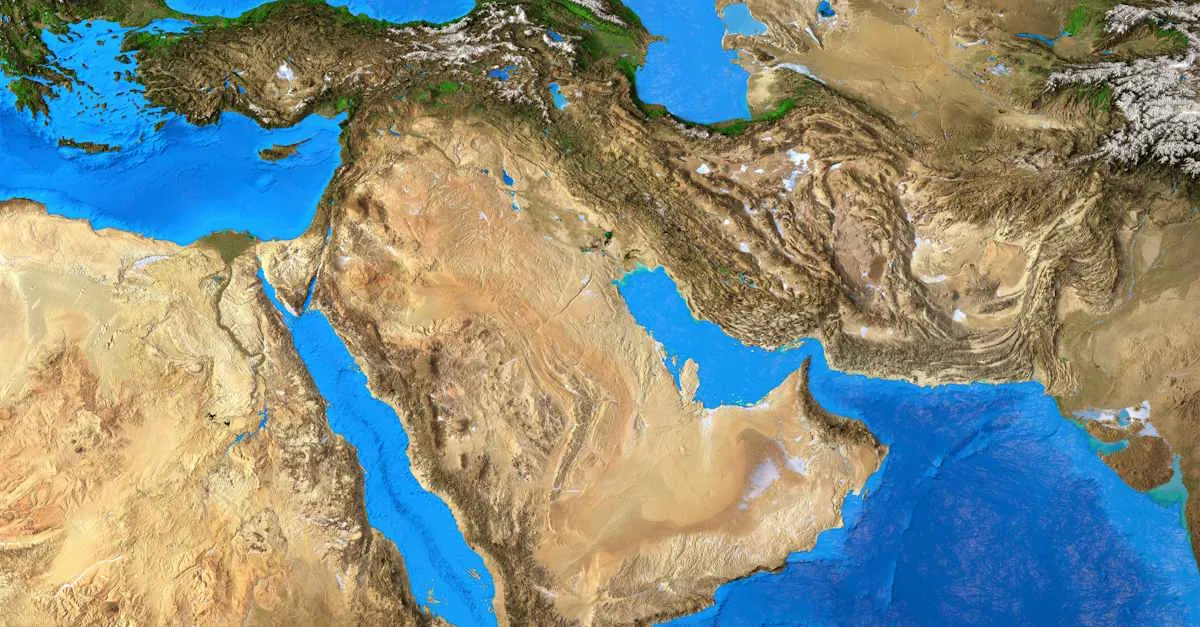
The confrontation between the US and Iran appeared to be descending towards renewed war amid a US military operation to ‘help’ ships pass through the Strait of Hormuz on Monday.
Within hours at least two cargo ships had been hit, the Emirates were under drone attack, and an oil port was in flames, sending the oil price higher.
Yet by late Tuesday the US was declaring its ceasefire with Iran unbreached, its operation to release stranded ships on hold and its military objectives achieved.
This all came after the oil price briefly spiked at $126 a barrel last week, its highest yet, driven by Donald Trump telling oil company executives the US blockade of the Strait could “continue for months” and reports suggesting the US president had been briefed on carrying out a “powerful” wave of strikes.
Who knows what the situation will be by the weekend? However, a rapid end to the crisis appears unlikely.
Media attempts to keep up with events and anticipate their consequences has heightened fears of fuel shortages and disruption to travel plans, with the relatively small-scale reductions in capacity by airlines to date – amounting to two million seats worldwide in May – being reported as extensive.
But the 13,000 flights this represents amount to fewer than 420 a day across the world – a barely noticeable proportion of the global schedule.
Cancellations of UK flights represented just 0.53% of those planned in the month according to aviation data analyst Cirium, as the Department for Transport was pleased to point out, noting: "The majority of these were scheduled to and from the Middle East, and have been cancelled due to the conflict."
The DfT additionally noted that, typically, 1% of scheduled flights to and from the UK are cancelled.
As Airlines UK chief executive Tim Alderslade pointed out on Wednesday, no doubt with a degree of understandable exasperation: “To be clear, no flights are being cancelled due to fuel shortages and reports to this effect are incorrect.
“UK airlines are operating normally, fuel supplies remain stable with good visibility [and] UK airlines are planning to operate their full schedules this summer.”
Nonetheless, behind the headlines, global reserves of oil and of jet fuel have plunged since the end of February.
Oil analyst Amrita Sen argued late last week that the market was pricing in disruption to the end of June amid a realisation, reported by the Financial Times, that oil supplies may be just “four weeks away from a ‘tipping point’”.
Sen suggested that if the war continued until late June: “You can pick a number when it comes to the oil price.”
Iata director general Willie Walsh warned last week of possible “fuel rationing” in Europe and Asia and wondered: “At what point high prices start to shift passenger behaviour.”
Jet fuel was priced at double the level of a year ago before the latest spike in prices.
The government and aviation sector sought to address fears of disruption with an announcement at the weekend of a “lightening’ consultation” on relaxing slot rules at major airports.
This will allow carriers to consolidate schedules to avoid last-minute cancellations “rather than wait for a [fuel] shortage to occur”. It built on the previous announcement of a relaxation of the rules if airlines “are unable to use slots due to jet fuel shortages”.
Somewhat disconcertingly the DfT suggested this would “help cut the likelihood of last-minute flight cancellations in the event of significant disruption” – thereby acknowledging potential disruption.
Similarly, a joint Foreign Office, DfT and Department for Energy Security announcement stated “There is no current need for passengers to change their travel plans” – again a conditional assurance.
A weekend report that the ground handlers’ association, Aviation Services UK, had warned of thousands of airport job losses in a letter to aviation minister Keir Mather cast further doubt.
The association’s letter called for support along the lines of the Coronavirus Job Retention Scheme to prevent significant redundancies among ground handlers.
An intensification of the conflict won’t help, but merely a failure to resolve it is squeezing fuel supplies, inflating prices and stoking uncertainty.
The Bank of England held interest rates steady last week while warning it may need to raise them in coming months in what governor Andrew Bailey warned could be a “forceful tightening”, noting: “The longer the conflict in the middle East continues, the worse the impact will become.”
The outlook for the UK economy could suffer a further blow if the Labour government fares so badly in assembly elections in Scotland and Wales and local elections in England on May 7 that it threatens to unseat the prime minister.
Uncertainty about Keir Starmer’s survival, the identity of a possible successor and their choice of chancellor, and the government’s political direction under a new leader would threaten a hike in UK borrowing costs and even a financial crisis. It could prove a challenging May.













Jacobs Media is a company registered in England and Wales, company number 08713328. 3rd Floor, 52 Grosvenor Gardens, London SW1W 0AU
© 2025 Jacobs Media
