




Delays caused by EES should prompt compensation question
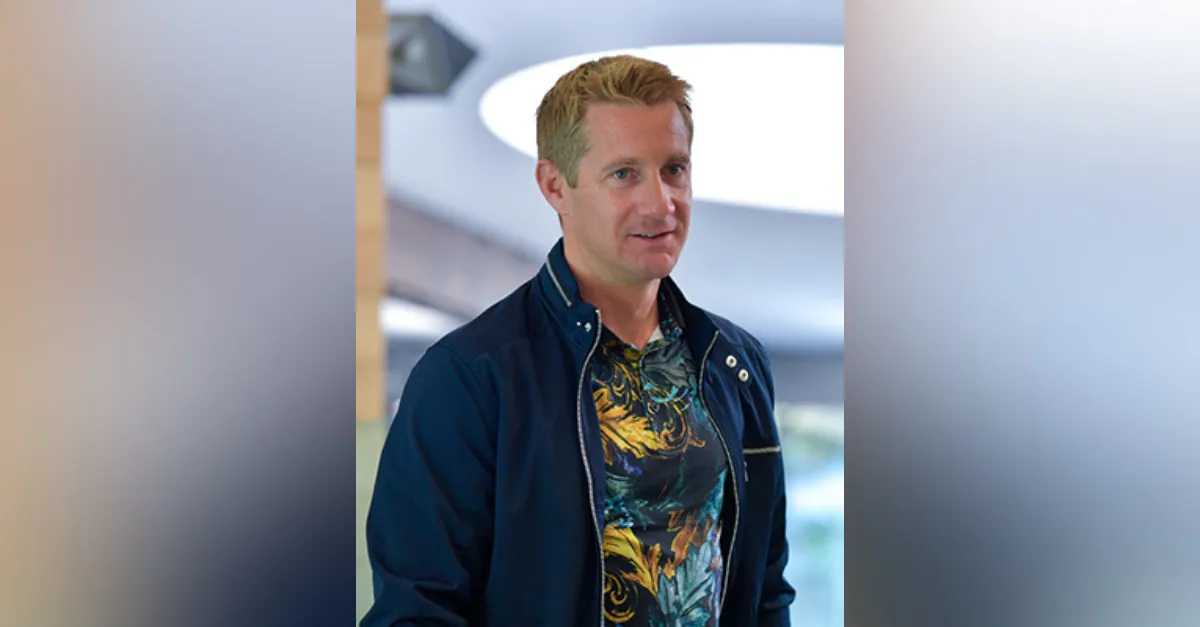
Holiday Extras chief executive Matthew Pack asks whether the EU’s new border-control system represents a step backwards

The EU’s Entry/Exist System (EES) – the sprawling border-control system that now greets non-EU travellers with passport scans, fingerprinting and facial recognition – was designed with a noble aim: modernise the way the Schengen Area manages short-stay travel and strengthen the integrity of its external borders.
In theory, it replaces manual stamps with digital records to simplify enforcement of the 90-days-in-180-days rule and prevent overstays. It’s part of a broader shift towards automated identity checks that the EU hopes will make travel “faster and more secure”.
But in practice, this high-tech overhaul is causing real, on-the-ground disruption.
Airports and border posts across Europe have seen queues stretch for hours as travellers unfamiliar with the new process wait to have their biometrics captured and checked. Systems across Europe are simply not working efficiently, with reports suggesting some people are missing flights or connections entirely because lines at border control are moving so slowly.
This raises a pointed question: if the EU will compensate travellers for flight delays under its current passenger rights scheme, shouldn’t they compensate for delays at the border itself too? Under Regulation (EC) No 261/2004, airlines must pay passengers €250 - €600 when flights are delayed more than three hours, cancelled or overbooked – but that applies to airline performance, not governmental border checks.
Travellers have every right to ask: if the EU expects us to queue for biometric data capture, doesn’t it owe us the time we lose at the gate? And at what point does the bureaucratic cost outweigh the supposed benefits?
EU officials argue that EES helps combat serious crime and irregular migration by giving authorities a more complete picture of who is entering and leaving. But ask most holidaymakers or business travellers, and they’ll say the outcome feels very different.
What was sold as a tool for “security and simplification” is often just another administrative hurdle on top of airlines’ check-in desks, bag drops and boarding gates. The result? Tired families in long queues, frustrated older travellers struggling with scanners, and missed flights that cost money and goodwill.
There’s a growing collection of travellers and industry voices asking: why not just wave a passport and let technology help decide who needs secondary checks, like it already does at many airports?
Modern surveillance and AI-assisted systems can already spot suspect behaviour and flag travellers for additional screening without making everyone endure lengthy biometric enrolment. If the goal is security, surely a hybrid model would use efficient screening tools after the basic passport check, rather than turning every border crossing into a waiting game.
The EES system also demands significant taxpayer money. Its rollout is a multi-hundred-million-euro investment in new kiosks, databases and staff training. Yet travellers pay the price in time and stress. With budgets tight and tourists worth billions to European economies, it’s worth asking whether less is more when it comes to border control.
But it is those holidaymakers and business travellers who are facing the most impact. An hour or more standing with a sore knee, nowhere to sit and no clear signage isn’t a security improvement – it’s an inconvenient and unfriendly welcome, especially for those with mobility issues, older relatives or children in tow.
The EU’s aim may have been to modernise borders and tighten control over who comes and goes. But if the outcome is slower movement, more missed flights and frustrated travellers, it’s time to rethink.
Perhaps the real innovation would be a system that respects people’s time as much as it respects security. Let’s get back to efficient checks, common sense processes and technology that serves people, rather than the other way round.














Jacobs Media is a company registered in England and Wales, company number 08713328. 3rd Floor, 52 Grosvenor Gardens, London SW1W 0AU
© 2025 Jacobs Media
