




You are viewing 2 of your 2 free articles
Agents score Black Friday boost despite ‘subdued’ consumer confidence


Travel agents enjoyed a Black Friday boost as retailers in general saw their busiest day of the year so far, according to the latest data from Barclays.
Spending with agents was up 10.7% year on year in November with transactions soaring by almost a third (31%).
This represented the greatest increase since December 2023 (12.8%) – as the sales encouraged consumers to lock in holiday deals for next year, Barclays revealed in its latest monthly consumer card spend report out today (Tuesday).
The sales performance through agents came against a backdrop of “subdued” consumer and economic last month, coinciding with the Budget.
This was reflected by a 1.9% drop in spending with airlines last month, with transaction levels down by 6.2%.
Total travel spend rose by 3.7% although transactions fell by 5.5%.
Overfall consumer card spending declined 1.1% in November – the greatest fall recorded since February 2021 and considerably lower than the latest consumer price index inflation rate of 3.8%.
Essential spend dropped 2.9% amid ongoing consumer uncertainty, marking seven consecutive months of decline, while non-essential spending fell for the first time since July 2024 by 0.3%, the Barclays data shows.
Spending on digital content and subscriptions was another bright spot, growing 3.5%, thanks to hit shows such as Stranger Things and Pluribus.
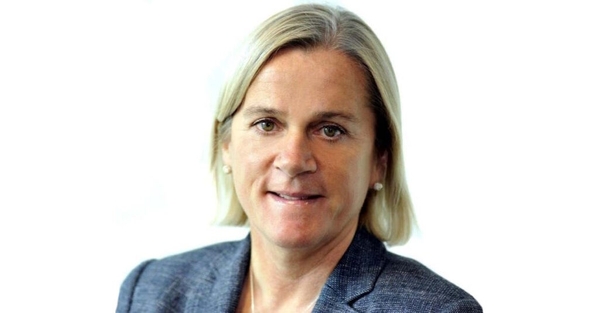
Barlcays head of retail Karen Johnson said: “November was a month marked by uncertainty, as consumers were awaiting seasonal discounts and the details of the autumn Budget.
“Retailers will have welcomed the Black Friday boost they received, which will hopefully set the tone in the run up to Christmas.”
Barclays UK chief economist Jack Meaning added: “Even with a boost from Black Friday, consumer spending remained muted as we moved through the final quarter of the year. 2025 has been defined by this economic deceleration.
“The question remains as to whether easing interest rates and falling inflation can offset this trend and spur a rebound in consumer spending, or whether tightening fiscal policy and continued uncertainty will see the malaise continue in 2026.”
More Content












More Content







Jacobs Media is a company registered in England and Wales, company number 08713328. 3rd Floor, 52 Grosvenor Gardens, London SW1W 0AU
© 2025 Jacobs Media
