




You are viewing 1 of your 2 free articles
Air Canada sells stake in loyalty scheme while reporting quarterly loss

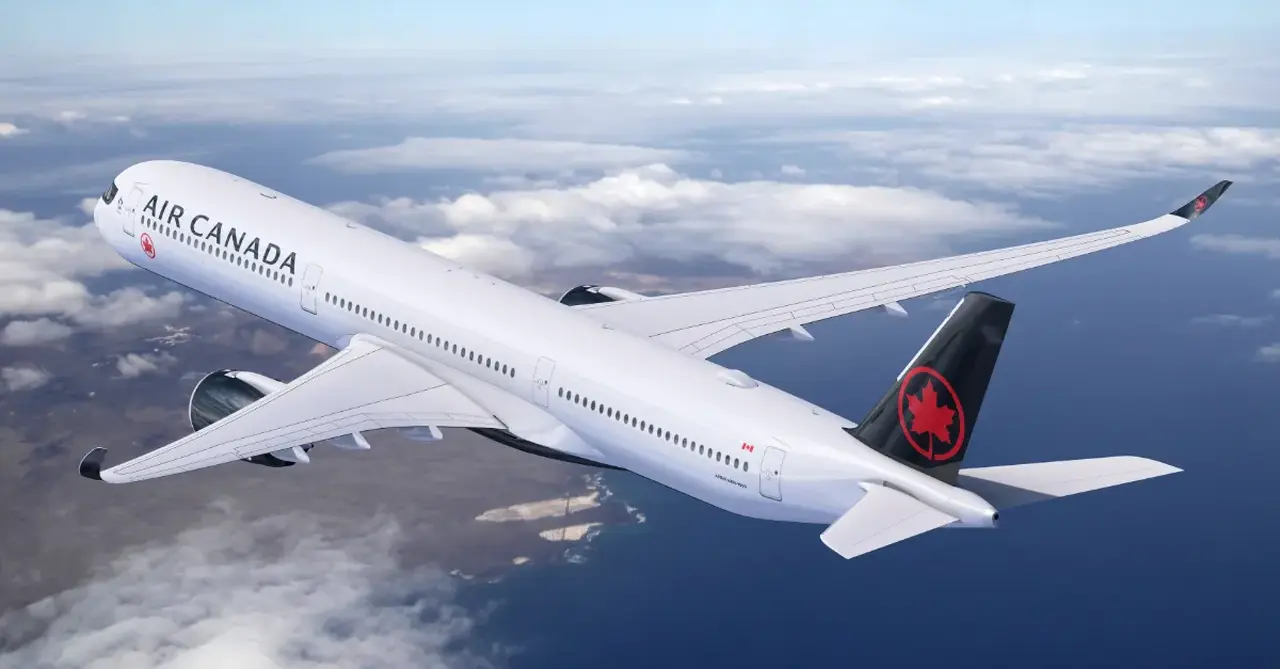
Air Canada fell into the red in the last quarter as fuel costs soared by almost 50% year on year.
The airline reported a net loss of C$178 million (£94.6 million) in the three months to June 30 against a profit of C$186 million (£98.8 million) in the same period last year.
This came despite revenues rising to C$6.3 billion (£3.3 billion) from C$5.6 billion (£2.9 billion) year on year.
However, Air Canada is selling a minority 25% stake in its frequent flyer scheme Aeroplan for C$2.5 billion (£1.3 billion) to an investor group including asset management giant Blackstone.
The carrier’s chief financial officer John Di Bert said: “The transaction strengthens Air Canada’s financial position by unlocking value from Aeroplan while retaining full operational control.
“It provides additional financial flexibility, and supports our pursuit of an investment grade rating, as we execute our long-term strategic plan, for the benefit of our customers, employees and investors.”
Announcing quarterly financial results, outgoing chief executive Michael Rousseau noted that fuel expenses had risen by 49% year on year.
He said: “The performance in the quarter reflected the benefits of our diversified sources of revenue, the effectiveness of our pricing actions, and our continued focus on controllable cost execution.
“Looking ahead, we are reinstating and updating full-year 2026 guidance, supported by resilient demand for premium and corporate travel, our fare actions to mitigate fuel-price volatility and our disciplined cost management.
“Reflecting the progress we have made in strengthening our financial position, we believe an investment grade rating is achievable in the mid-term.
“Beyond 2026, with [SAS chief executive] Anko van der Werff announced as my successor, I am confident Air Canada has leadership continuity, a clear strategy and the financial strength to continue driving its long-term objectives and create significant sustainable value for all stakeholders.”
More Content
















More Content






Jacobs Media is a company registered in England and Wales, company number 08713328. 3rd Floor, 52 Grosvenor Gardens, London SW1W 0AU
© 2025 Jacobs Media
