




Domestic tourism faces ‘decimation’ if holiday tax is imposed

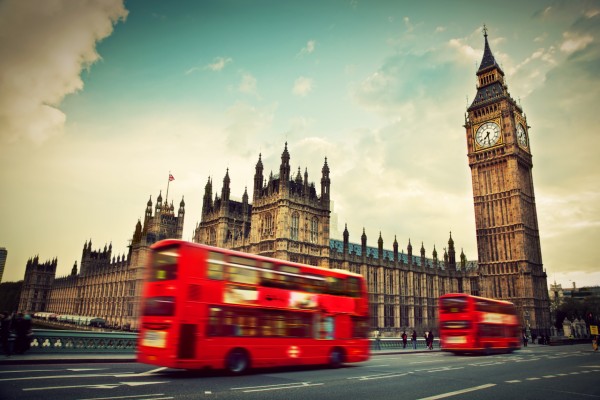
A tax on domestic holidays would “decimate” tourism and cost 33,000 jobs, the government has been warned.
Ministers are being urged to abandon proposals for a levy in England by trade body UKHospitality.
The group backed its campaign by releasing analysis from Oxford Economics detailing the potential impact on the sector.
It suggests a 5% levy by 2030 would result in a £1.8 billion fall in tourism spending and almost 12 million fewer nights spent in accommodation in addition to the job cuts. Taxation on tourism at this level would also reduce tax receipts to the Treasury by £688 million.
This is one of three different scenarios modelled as part of the research looking into the impact of holiday taxes on the industry.
Oxford Economics considered a 5% levy on accommodation, a £2 levy per person per night, and a £2 levy per room per night. All scenarios result in a reduction in GDP, tourism spending, nights spent in accommodation and total jobs.
The consultancy suggested that if a £2 levy per person per night were introduced, tourism spending would decline by £846 million by the fifth year of the levy with 16,000 jobs gone.
In a less severe scenario, analysis of a £2 levy per room per night would result in 7,000 job losses and an almost £400 million decline in tourism spending with the number of overnight stays dropping by more than 2.7 million.
The so-called holiday tax would give mayors in England the power to impose levies on international and domestic visitors staying in hotels, hostels, guesthouses, holiday lets and bed-and-breakfast accommodation.
A consultation between the government and businesses over the proposals, which considered the level of the levy, ended last month.
Oxford Economics associate director Matthew Dass said: “Our modelling shows that introducing a holiday tax would have a clear economic impact.
“Across the wider economy, the policy is likely to have negative consequences.
“The additional revenue generated by the tax will be outweighed by reduced economic activity, as higher costs dampen tourism demand, ultimately leading to a loss in GDP.
“With England already operating at the upper end of VAT rates, an additional tax would further weaken the country’s competitiveness relative to other destinations and place additional pressure on consumers.”
UKHospitality chief executive Allen Simpson warned that a tax would “hike costs for Brits, make staycations more expensive and decimate tourism”.
He added: “There are no winners from a holiday tax. From coastal communities and city centres to local guesthouses, pubs and taxi firms, the impacts are stark and indiscriminate. Taxes up, jobs lost and our high streets hit once again.
“Holidays are for relaxing, not taxing. The government should keep it that way and stop the holiday tax.”
Simon Palethorpe, chief executive of Haven and former boss of Cunard, said: “Holidaying in the UK creates jobs, drives investment and boosts local businesses. A holiday tax will mean people take fewer UK holidays resulting in less investment and fewer jobs, often in areas where there are few alternative employment opportunities.
“In the UK, visitors are already paying double the VAT rate of the most popular overseas holiday hotspots.”
Hilton EMEA president Simon Vincent said: “The Oxford Economics research is clear that a proposed holiday tax, on top of already high VAT, will impact British families staying in the UK and make the country less competitive as a destination.
“Tourism thrives when government and industry work together. The focus should be on growing visitor numbers and enabling hospitality to play its full role in supporting jobs, investment, and economic growth.”
Fiona Eastwood, chief executive of Merlin Entertainments and a board member of UKHospitality, added: “A holiday tax increases the cost of short breaks for working families, making them unaffordable for many.
“Businesses in our sector will suffer; so will the regional economies we support by attracting overnight stays and tourism.
“We’re proud of what we offer to families in the UK, but to continue to invest here, we need the economics to stack up.”
Business Travel Association commercial director Andrew Clarke said: “While often labelled a ’tourist tax’, this visitor levy disproportionately penalises UK businesses, the engine to regional growth and taxes those who drive the most economic activity.
“Business travellers often book rooms when room rates are highest, meaning a percentage-based levy hits them harder. Additionally, unlike those travelling for leisure, those travelling for business often have no discretion. They often can’t rearrange to make it a ’day trip’ or stay with friends. This is a mandatory tax on productivity.
“These individuals are already significant contributors to the Exchequer through business rates, corporation tax and income tax. If we want to encourage investment and growth, we shouldn’t be creating more barriers for the many thousands of people who need to travel for business.”










More Content





Jacobs Media is a company registered in England and Wales, company number 08713328. 3rd Floor, 52 Grosvenor Gardens, London SW1W 0AU
© 2025 Jacobs Media
