




You are viewing 1 of your 2 free articles
Tui Group reports consumer caution and late bookings triggered by Iran war


Tui Group has adjusted its full year profit guidance after taking a €40 million hit from the Iran war in March.
The costs included repatriation efforts and related “operational disruptions”.
Europe’s largest travel group said: “While continuing to demonstrate strong operational improvement in H1 FY 2026, the ongoing conflict in the Middle East and the uncertainty surrounding its duration continue to limit near-term visibility and drive consumer caution.”
The geopolitical situation has led to a “partial shift” in customer demand from eastern to western Mediterranean destinations.
Customers are demonstrating increased caution and booking closer to departure dates, the group disclosed.
As a result, Tui’s markets and airline division booked revenue for the summer is 7% below last year, while hotel occupancy has softened further to 7% down.
“This development is driven by the impact of the Iran war particularly in Turkey, Cyprus, and Egypt, as well as by the aftermath of the hurricane in the Caribbean,” the company said.
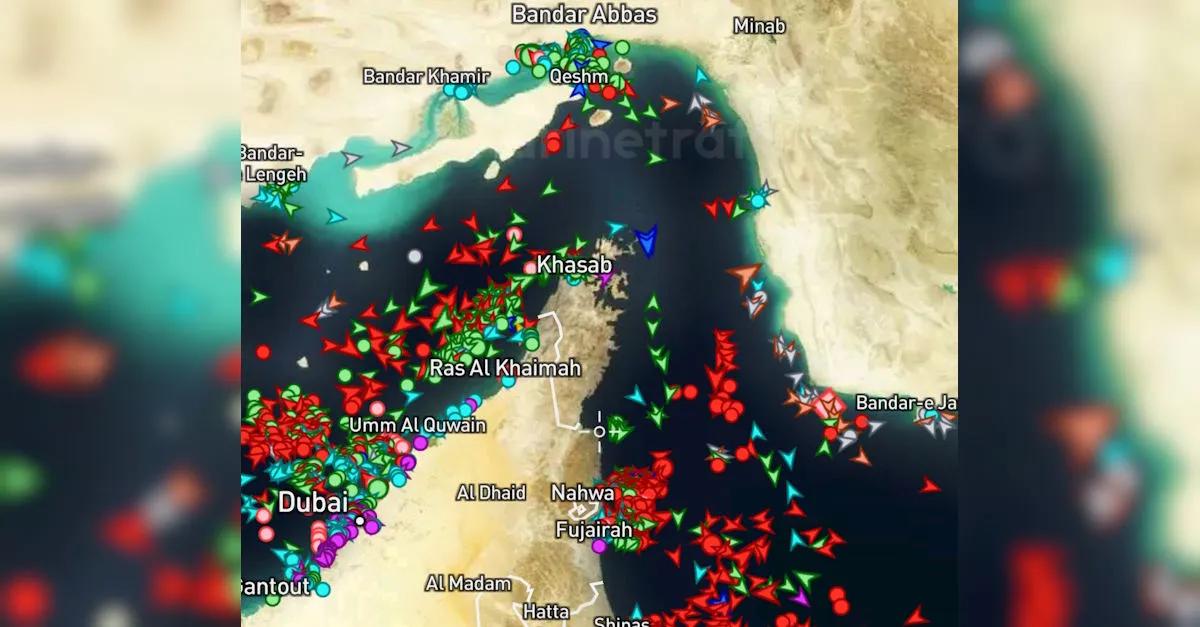
Tui repatriated around 10,000 guests last month following the onset of the conflict in the Middle East in late February.
This included 5,000 passengers from the cruise ships Mein Schiff 4 and Mein Schiff 5, and around 5,000 guests from European source markets, as well as a further 1,500 crew members.
As a result of the hostilities, Mein Schiff 4 and Mein Schiff 5 remained in the ports of Abu Dhabi and Doha respectively, with all itineraries for the vessels cancelled until mid-May.
Both ships were able to leave the Gulf safely on April 19 with the relevant co-ordination and approval from the authorities during a pause in hostilities.
They will now commence their summer season itineraries in the Mediterranean from next month.
“Trading for the remainder of our Tui Cruises as well as the Marella Cruises fleet continues to reflect a sustained, strong booking environment, following a very positive wave season,” the group noted.
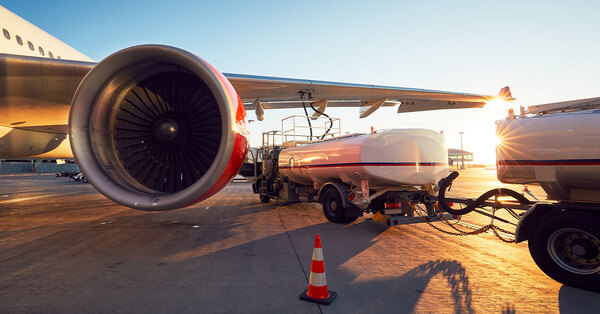
Tui has hedged 83% of summer 2026 and 62% of winter 2026-27 jet fuel requirements, with more than 80% of 2026 energy costs hedged for the group’s cruise businesses.
A statement said: “Despite the volatile geopolitical backdrop, Tui remains well positioned.
“The group’s strong financial position and robust balance sheet provide flexibility to navigate the current environment while executing its strategic transformation.
“The adjustment to guidance is based on current trading conditions, assumes no material escalation in geopolitical tensions, and that fuel supplies can be maintained.
“Management continues to closely monitor developments and their potential implications.”
Tui expects to report strong operational performance in the second half of the financial year, with underlying earnings [EBIT] up €5 million to €25 million against the prior year. The improvement is driven by the benefits from the transformation of the markets and airline arm despite absorbing approximately €40 million from the Iran war in March.
"Against this background, our ambition is to achieve an underlying EBIT towards the level of prior year of €1.4 billion, supported by the benefits of the transformation and the growth in cruises," the company noted.
Subject to the recovery in the respective markets, the group said it had adjusted its guidance and now expects underlying EBIT for the 2026 financial year to be in the range of €1.1 billion to €1.4 billion compared to a previously indicated annual rise of between 7% and 10% to €1.413 billion.
At the same time, Tui is suspending revenue guidance until conditions stabilise, from a prior guidance of up 2%-4% from €24.2 billion in 2025.
A further update is due when first half results are issued on May 13.
Related Content













More Content





Jacobs Media is a company registered in England and Wales, company number 08713328. 3rd Floor, 52 Grosvenor Gardens, London SW1W 0AU
© 2025 Jacobs Media
