




You are viewing 1 of your 2 free articles
EasyJet holidays records 20% growth ahead of January peaks

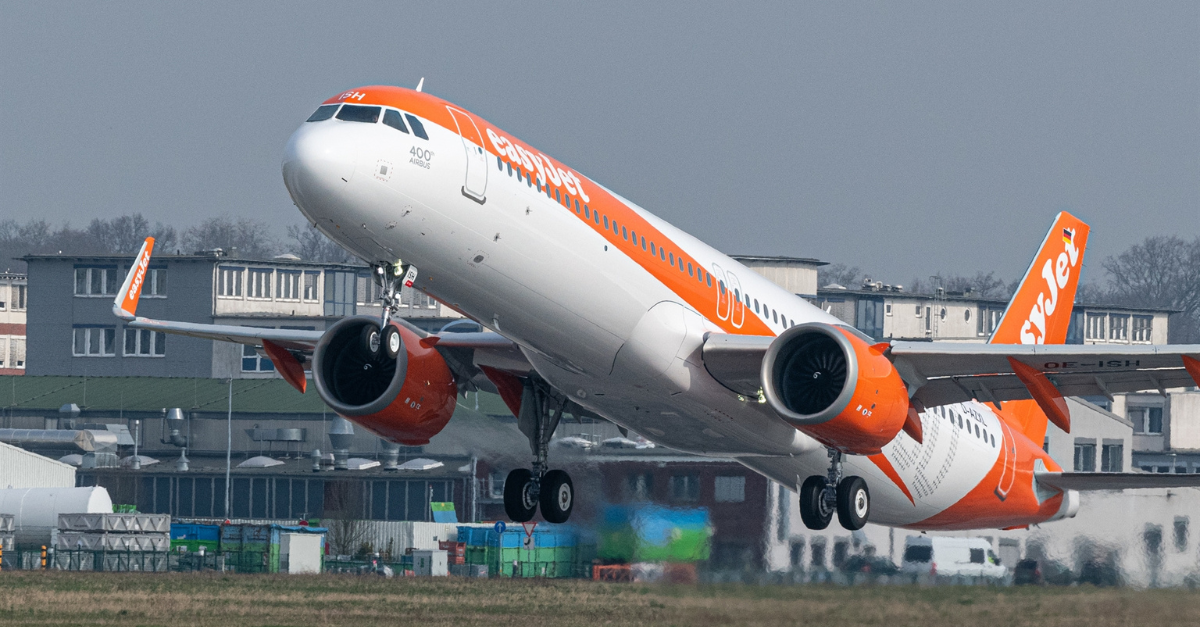
EasyJet holidays has maintained its growth with a 20% rise in bookings amid continuing demand for travel in the last quarter.
The performance of the tour operation helped offset increased seasonal winter losses at its parent budget carrier.
The airline’s headline pre-tax loss for the three months to December 31 came in at £93 million against £61 million in the same period in 2024.
Passenger numbers rose to 22.7 million from 21.2 million in the same three months a year earlier as capacity grew by 5% to 25.2 million seats.
In a trading update, easyJet said: “This year, the traditionally busy January booking period has seen record levels in both volume and revenue as bookings continue to build for summer 2026.
“H2 ’26 is 22% sold for the airline and 47% sold for holidays. We remain focused on operational execution and delivering our medium term target of sustainably generating over £1 billion in profit before tax.”
Revenue from the package holidays arm rose by 26% to £311 million in the quarter, with airline passenger revenue rising by 9% to £1.36 billion. Ancillary revenue was up 9% to £584 million.
A travel trends report issued by the airline described longer short haul flights of five to six hours as “becoming the new norm”.
“Tunisia and its lesser-known island of Djerba continue to grow in popularity with the airline seeing 12% increase in flying to the country in 2026 while the Georgian capital of Tblisi is gaining traction for city breaks thanks to new direct routes from the UK,” easyJet said.
The airline is also seeing a 21% increase in flying to destinations such as Morocco, Turkey and Cyprus compared to last year.
EasyJet holidays chief executive Garry Wilson said: “In 2026, there’s a clear desire to make holidays count.
“We’re seeing customers become far more intentional about how and when they travel, whether that’s getting away before everyday routines take over, switching off from screens, or planning trips around meaningful moments you simply can’t recreate at home.
“From community organised trips to experience-led breaks, people are prioritising connection, wellbeing and memories that last, not just time away.”
Chief executive Kenton Jarvis said: “We have seen continued demand for our flights and holidays over the last quarter, growing airline passenger numbers and load factor with easyJet holidays maintaining its strong growth trajectory attracting 20% more customers year on year.
“Our focus on, and investment in, customer experience and punctuality is driving strong results with a four percentage point rise in customer satisfaction and on time performance year on year.
“Bookings are building well for the summer season, with our largest ever January booking period.
“We remain committed to delivering sustainable value and continue to progress towards our medium-term target of generating over £1 billion in profit before tax.”
The airline reported “continued demand” for travel, with passengers increasing 7%, ahead of seat capacity growth of 5%, leading to a 90% load factor, up 2 percentage points.
“Demand for easyJet holidays also continues to grow, with customer numbers increasing 20% year on year,” the airline noted.
“Our focus on operational performance, resulted in a 4 percentage point improvement in on-time performance, to 77%.
“This improvement in punctuality, alongside targeted enhancements across all aspects of the customer journey, drove a 4 percentage point improvement in airline customer satisfaction scores to 83%, continuing the improvement seen in FY25.”
The increased quarterly loss reflects the first winter operating strategic investments at Milan Linate and Rome Fiumicino airports, “the time required for capacity investments to reach maturity and the continued competitive environment in specific markets”.
The airline added: “This is partially offset by profit growth in easyJet holidays and the continued reduction in disruption costs.
“Looking ahead, we are starting to see revenue maturity benefits in the March quarter and remain confident that our strategic investments will lead to further revenue maturity over the coming years as our capacity investments embed themselves into our network.”












More Content







Jacobs Media is a company registered in England and Wales, company number 08713328. 3rd Floor, 52 Grosvenor Gardens, London SW1W 0AU
© 2025 Jacobs Media
