




You are viewing 1 of your 2 free articles
Former British Army officer warns of future possibility of civil war in Europe

A former British Army officer and geopolitical analyst has stressed the need for governments to prepare for the future possibility of civil war in Europe.
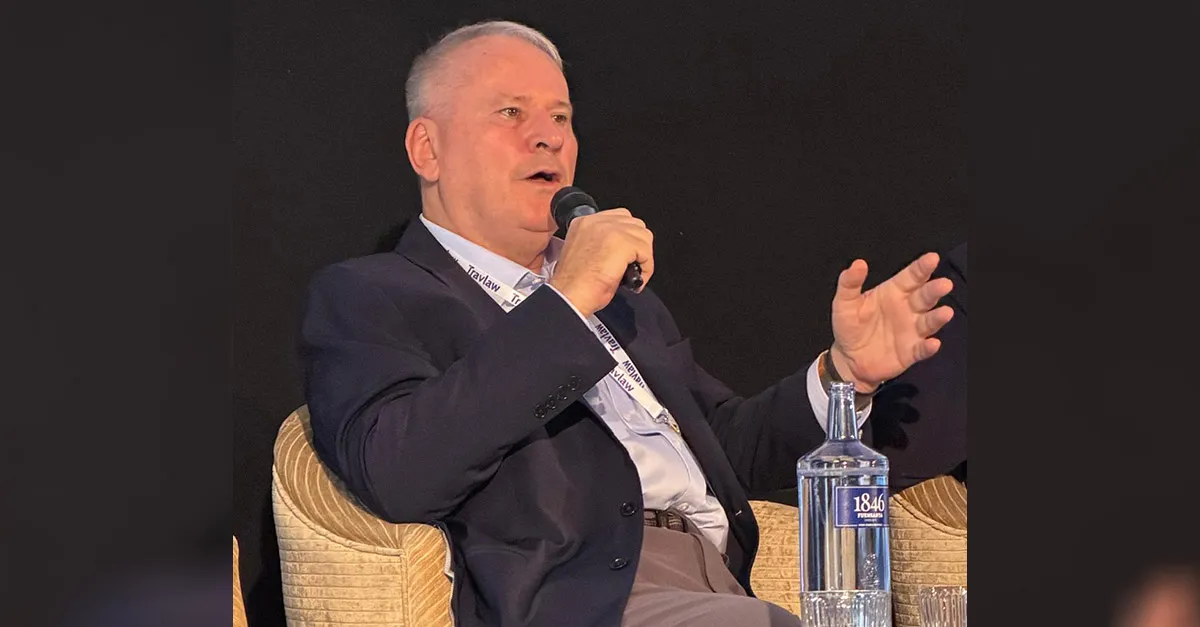
Speaking at Aito’s Overseas Conference 2025 in Asturias, Spain, Richard Kemp highlighted a range of key geopolitical and security concerns which could ultimately impact the travel industry, including competition between the west and China and Russia, global jihad; nuclear proliferation; and cyber wars.
Kemp, who worked in Downing Street as head of the international terrorism team at the Joint Intelligence Committee and chaired the Cobra Intelligence Group, responsible for co-ordinating the work of the national intelligence agencies including MI5 and MI6 during the July 2005 London bombings, described migration as a potential trigger for civil war in Europe.
“The problem is migration – I think the likelihood of civil war in Europe, unthinkable though that may be, is there,” he said.
He urged governments to “be mindful” of this potential prospect.
He said: “I think there is every possibility [of civil war], given the migration flows, given the economic situation, given what is very often seen by indigenous populations including in the UK, France and Belgium, as a downgrading of their status.
“That situation has very often in the past led to civil war. I think potentially it could do so in Europe. I am not saying it is imminent, I am not saying it is going to happen, but I think we should all be mindful of the possibility, and our governments should be mindful of the possibility of that. They should be taking greater action now to make sure it doesn’t happen.”
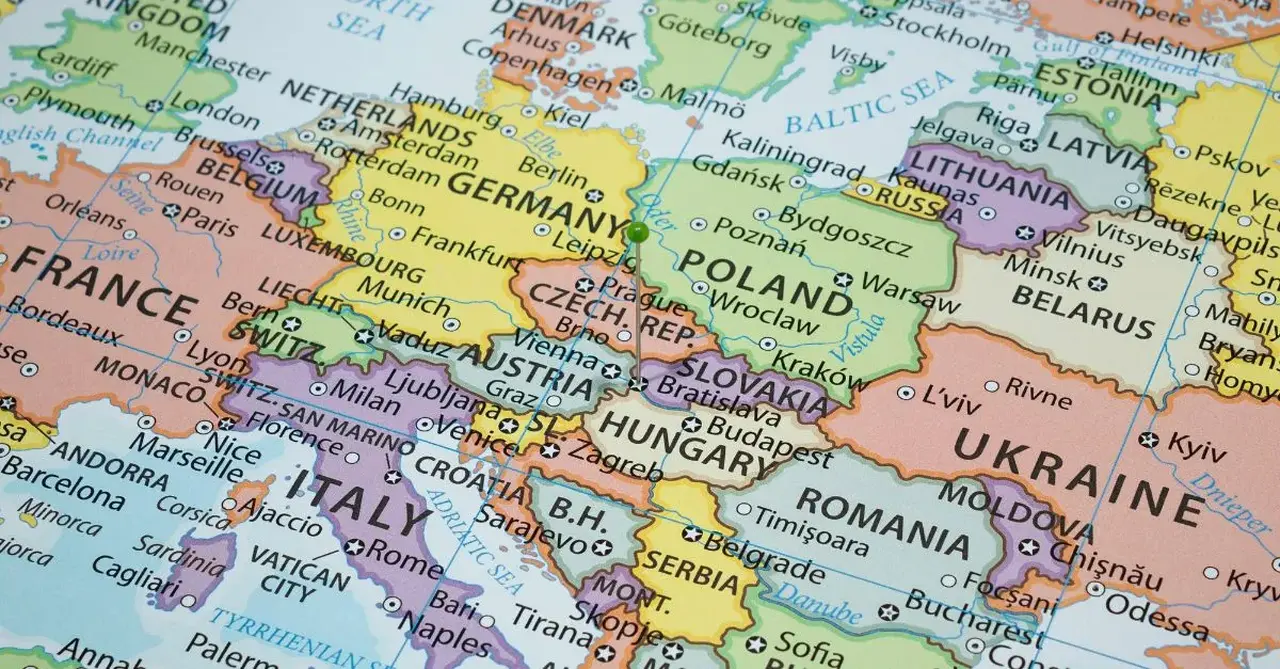
He also predicted an expansion of conflict between Russia and Europe when the Ukraine war comes to a conclusion.
“I think Russia is likely to want more, whether it includes going back to Ukraine to get more [land] or whether it looks at Georgia, the Baltic States or countries like Romania or Poland, I think that conflict is likely to expand potentially," he said.
He also forecast “some form of civil war in Ukraine” was likely if there was a peace deal agreed between Russia and Ukraine, pointing to “plenty of oppositionists to [Ukraine president] Volodymyr Zelenskyy” if the current US-proposed peace deal goes ahead.
“There could be an attempt to bring him [Zelensky] down if they think he has capitulated to Russia,” added Kemp.
But he also stressed the amount of economic interdependency now between countries meant there would be “hesitancy” by countries such as Russia, China, Iran and North Korea about “angering Europe too much” because of the economic impact globally on their economies.
In terms of global tensions between the east and west, particularly China and the US, Kemp highlighted Taiwan as at the “epicentre”.
“There is no question that President Xi [Jinping] of China wants Taiwan,” he said.
Despite stressing the likelihood of China invading Taiwan as “less likely”, he said international travel would be impacted.
“If it escalates into a direct conflict then it would affect many countries in the region, not just China and Taiwan. An escalation of major conflict between China and Taiwan will obviously have a huge impact, not just on that region but globally," he added.
Kemp also highlighted other global issues which could impact on conflicts, from water scarcity, food insecurity often leading to migration, extreme weather effects, disease and pandemics.
Related Content












Related Content






Jacobs Media is a company registered in England and Wales, company number 08713328. 3rd Floor, 52 Grosvenor Gardens, London SW1W 0AU
© 2025 Jacobs Media
