




You are viewing 1 of your 2 free articles
Tourist taxes ‘benefit residents and visitors’, say Spain mayors

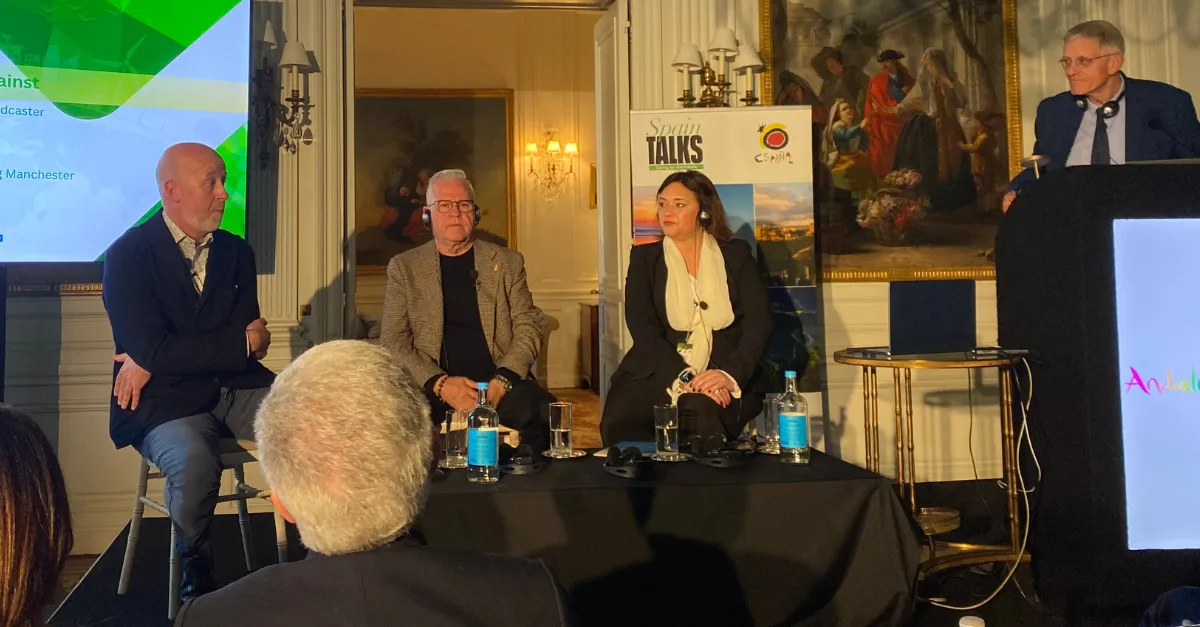
Tourist taxes should be viewed as a way of investing in a city so it remains attractive for both residents and visitors, delegates were told at the fourth edition of Spain Talks.
The Spanish Tourist Office UK hosted its annual sustainability forum this week at the Spanish embassy in London, with guest speakers including Emma Aparici Vázquez de Parga, the Spanish ambassador to the UK, and Spain’s secretary of state for tourism Rosario Sánchez Grau.
During a panel session on tourist taxes, Torremolinos mayor Margarita del Cid and Salou mayor Pere Granados said a visitor levy supports responsible tourism.
Del Cid said Andalusia does not have a tourist tax, but there is “an ongoing debate”.
“I don’t believe a tourist tax should be considered as something to put people off [visiting],” she said. “It’s something to improve the city and improve quality of life and keep the city attractive every day of the year.”
She added: “Any income from the tourist tax should be dedicated to improving the city and attracting tourists.”
Granados, who noted Catalonia has had tourist taxes since 2012, said the policy is widely supported by residents.
He said the population of Salou is about 33,000, but it receives more than two million visitors a year.
“Of course we want tourists to visit and enjoy services, but they have to pay for them,” he said, arguing “social justice” means there needs to be a tourist tax.
“If we’re demanding the residents to pay, why are we not demanding the temporary residents to pay when we’re providing the same services?” he said.
He said the local tourist tax has risen to €2 a day per traveller, with a cap set at €7, while those under 16 are exempt.
He added it is important that tourist taxes are set at an affordable level. “The tax is not there to put off visitors because that would mean people who aren’t rich would be put off holidays,” he said.
He added: “We’re not going to be bringing in any measure to put off visitors. On the contrary, we want more.”
Anyone questioning the need for Salou’s tourist tax should “do the maths”, he said, pointing to the financial pressure on authorities to maintain services.
“The tax should be for the benefit of the residents and the tourists,” he added.
Representing Manchester, the first UK city to introduce a visitor levy, Nick Brooks-Sykes, tourism director at Marketing Manchester, said about £4 million is raised annually through the £1-a-night charge.
The money is spent on driving more visitors to the city by spending money on marketing campaigns and hosting more events, he said, noting Manchester’s room capacity “doubled” within two years.
“We want to deliver more demand into the city to meet the supply of accommodation,” he said.
He added the levy has led to the city being cleaner, more welcoming and safer.
“I really would argue that the city is better for locals because of the tax that visitors are paying,” he said.
Journalist Simon Calder, who moderated the discussion, presented the views of UKHospitality chief executive Kate Nicholls in her absence. She was unable to attend because of the London Underground strike action.
Calder said Nicholls believes tourists already financially contribute to the places they visit, adding: “If you introduce a tax, you will simply tax yourself out of the market and people will go elsewhere.”
Related Content













Jacobs Media is a company registered in England and Wales, company number 08713328. 3rd Floor, 52 Grosvenor Gardens, London SW1W 0AU
© 2025 Jacobs Media
