




You are viewing 1 of your 2 free articles
US airports face delays due to staff shortages from government shutdown

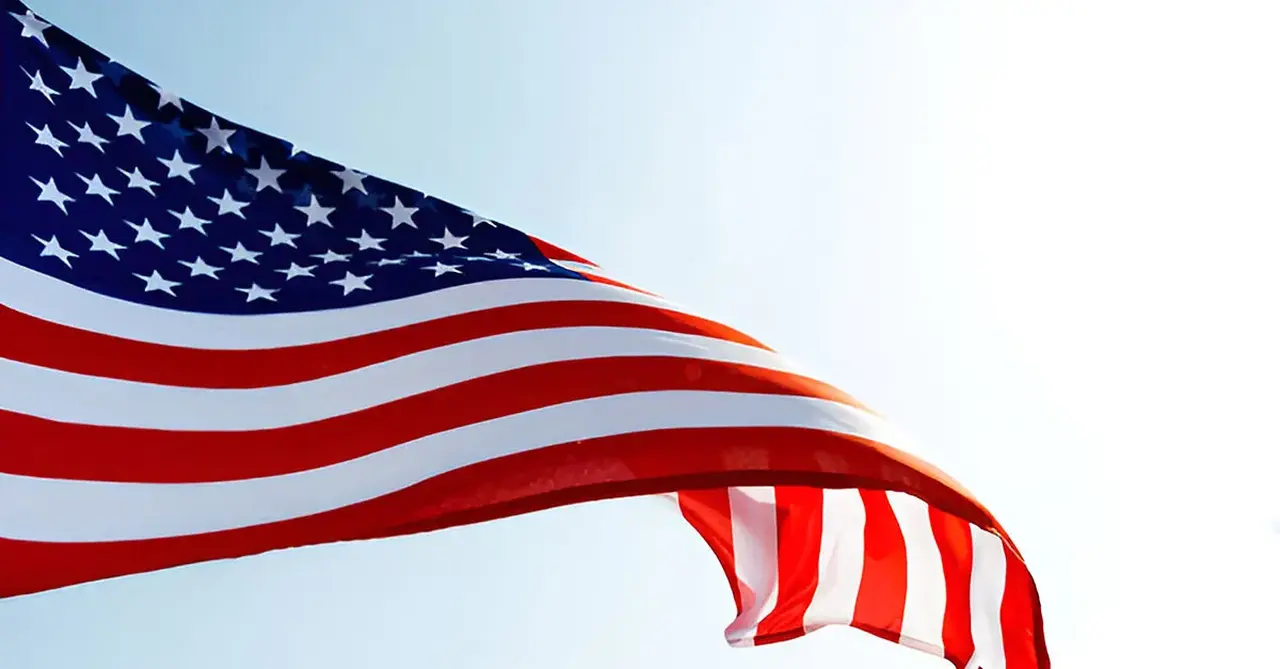
US air traffic controllers are under “immense stress and fatigue” after a month without pay during the federal government shutdown.
The country’s aviation regulator confirmed that nearly 13,000 air traffic controllers have been working without pay for weeks.
They are responsible for ensuring the safety of more than 50,000 daily operations across the US national airspace system.
But half of the 30 major airports across the US are suffering from staff shortages, the Federal Aviation Administration revealed.
Nearly 80% of air traffic controllers are absent at New York–area airports.
Ground delays were reported at major airports on Sunday, including a four hours at Newark Liberty airport, one of the nation’s busiest transit hubs.
Staffing issues were reported at airports in Nashville, Jacksonville, Austin, Denver and northern California.
The airport chaos is just weeks ahead of some of the busiest travel days of the year around Thanksgiving in the US.
Disruption to UK travellers appears to have been kept to a minimum so far but with fears operators could be in for a long haul.
US transportation secretary Sean Duffy warned that airport delays are “going to get worse” as the government shutdown threatens to enter its fifth week with little sign of a resolution.
Duffy told CBS News: "We’ve seen problems at LA, in Dallas, in DC, Boston, Atlanta. And so I think it’s only going to get worse.”
He said the federal government will "stop traffic" if it becomes a safety issue, adding: "We’re not going to let that happen."
The FAA said staffing was under strain at multiple airports, leading to “widespread impacts” across the system.
“Currently, half of our core 30 facilities are experiencing staffing shortages, and nearly 80% of air traffic controllers are absent at New York–area facilities,” the FAA added.
“After 31 days without pay, air traffic controllers are under immense stress and fatigue.
“The shutdown must end so that these controllers receive the pay they’ve earned and travellers can avoid further disruptions and delays.”
USAirtours chief executive Guy Novik said: “We’ve seen some missed connections with longer lines at immigration and we’re probably taking 20% more calls out of hours than we would normally, although we’re also taking calls from the Caribbean.
“There have been very few international cancellations – we’re seeing more domestic flights cancelled.”
Novik added: “People are finding alternative ways to spend their time when facilities aren’t open.”
However, the shutdown is set to surpass the five-week federal closure in 2018-19 during Donald Trump’s first term as president and Novik said: “I can’t see an ending in the short term. We’re bedded down for the long haul.”
America As You Like It managing director Maggi Smit said: “The shutdown has had some impact, but nothing too significant for clients. Destinations have been keeping us informed about what remains open.
“National parks are open wherever possible, and visitors can still enjoy the hiking trails and scenic drives. Although the Smithsonian museums in Washington DC are closed, there is still an abundance of attractions and activities for visitors.”
She added: “So far, our clients have been very understanding.” If there is no end by this Saturday, November 1 – the start of registration for health insurance under the Affordable Care Act, which sparked the dispute – it is likely the shutdown will go on at least until the week of Thanksgiving on November 27.
The American Hotel & Lodging Association (AHLA) and more than 30 other trade groups urged Congress to end the shutdown last week, claiming it is costing the hotel sector $31 million a day.
AHLA chief executive Rosanna Maietta said: “Waning consumer confidence is translating into cancellations and discouraging future planning.”
The US Travel Association estimated last week that the industry has lost $3.3 billion since the shutdown began on October 1.
Related Content








Related Content





Jacobs Media is a company registered in England and Wales, company number 08713328. 3rd Floor, 52 Grosvenor Gardens, London SW1W 0AU
© 2025 Jacobs Media
