




You are viewing 2 of your 2 free articles
Analysis: Travel prospects hinge on duration of war
Uncertainties span energy, inflation and demand, says Ian Taylor

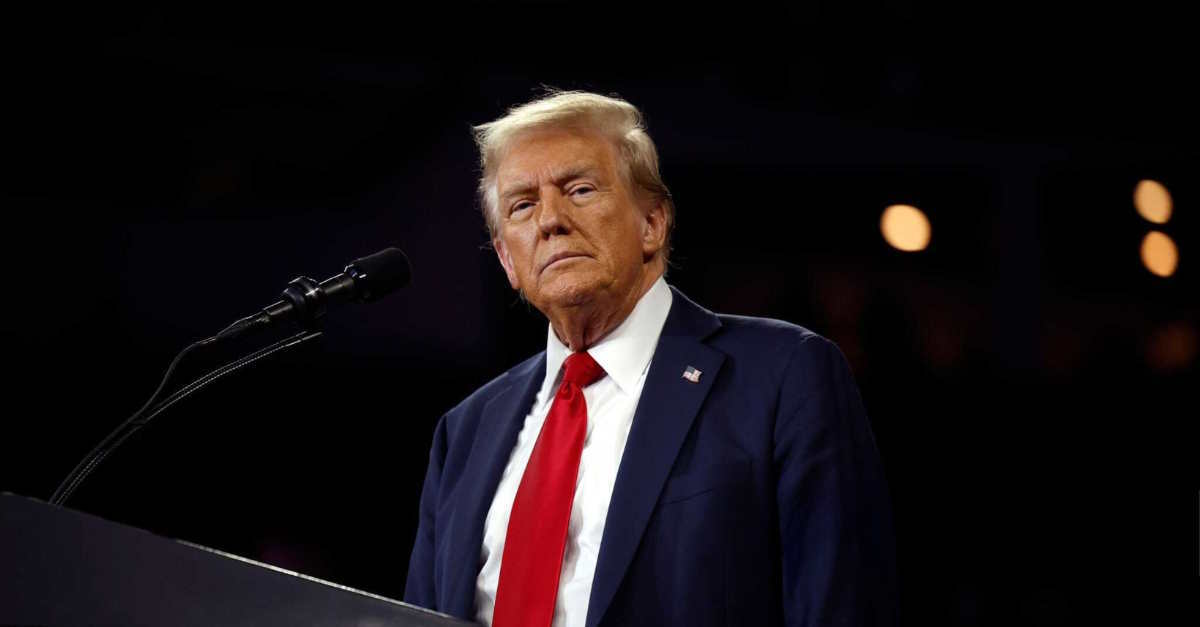
Hopes that the war in the Middle East might be over within days appeared dead on Monday as the oil price surged and markets fell, only to be resurrected when President Trump declared the war “very complete”.
How this might square with Trump’s demand for Iran’s unconditional surrender was unclear, suggesting even a sudden end to the war might provide no certainty of peace.
Prime minister Keir Starmer conceded the longer the war “the more likely an impact on our economy” and chancellor Rachel Reeves acknowledged “pressure on inflation”.
The industry faces multiple challenges whatever happens.
First there is the issue of repatriating customers – those on holiday in the region or in transit.
Then there is the issue of bookings, with Easter barely a fortnight away. Many travellers may no longer be able or willing to travel via the Gulf, with the Foreign Office advising against all but essential travel to the UAE.
The financial consequence of refunds if passengers can’t be rebooked elsewhere, on top of the costs of additional hotel nights for stranded customers, could leave businesses struggling – with possibly a case for the reintroduction of refund credit notes.
Then there is the impact on demand. It seems unlikely the image of Dubai, Abu Dhabi and Doha will be unscathed. The simple fact of disruption, unexpected costs for consumers and risks to safety must surely have an impact, while heightened uncertainty generally leads to hesitancy in booking.
Further attacks on oil and energy infrastructure and closure of the Strait of Hormuz could only hike energy prices – gas costs almost doubled on Monday – meaning higher energy and food bills.
Iata had forecast an average oil price of $62 a barrel this year. Qatar’s energy minister was forecasting oil would hit $150 at the weekend, warning the war could “bring down the economies of the world”. Saudi Arabia, the UAE, Iraq, Kuwait and Iran have all cut output or shut oilfields entirely.
Then there are the restrictions on airspace, which are unlikely to be fully lifted, making direct flights to Asia and beyond longer and more expensive.
There are mitigating factors: the US is the world’s biggest oil producer, the Strait of Hormuz sees 20% of global oil traffic when at one time it saw 60%, and reserves around the world could be released. But the UK, EU and Asian economies are forecast to be worst hit by price rises.
Cuts in interest rates suddenly appear less likely, as does a repeat of the kind of energy bill subsidies which mitigated the impacts of the Ukraine war.
The effects on travel businesses are already apparent, with Wizz Air issuing a profit warning last week.
Deloitte chief economist Ian Stewart noted on Monday that after Russia invaded Ukraine in February 2022 oil prices only reached a peak in June.
The key questions will be the length of the war and the scale of disruption to energy supplies. We will only know the answers with hindsight.













More Content




Jacobs Media is a company registered in England and Wales, company number 08713328. 3rd Floor, 52 Grosvenor Gardens, London SW1W 0AU
© 2025 Jacobs Media
