




You are viewing 1 of your 2 free articles
Barcelona port to limit cruise growth amid overtourism outcry

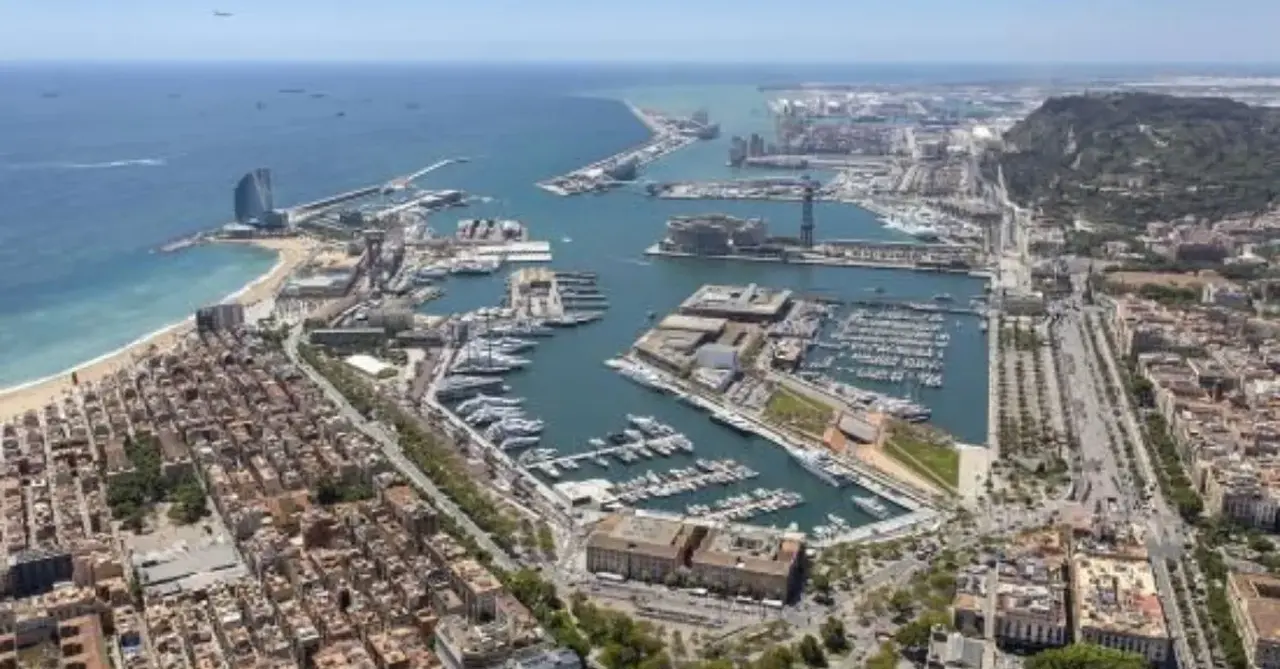
Cruise growth at the port of Barcelona is to be restricted under plans to cut the number of terminals.
Cruise terminals will be reduced from seven to five by demolishing current terminals A, B and C, and building a new terminal on the site of terminal C.
The new terminal will be capable of serving 7,000 passengers "at any given time" as part of the €185 million scheme.
The agreement between the port - one of the key cruise hubs in the Mediterranean - and Barcelona City Council comes against the backdrop of a local backlash against overtourism affecting the Catalan city.
Barcelona mayor Jaume Collboni said: “For the first time in history, a limit is being placed on the growth of cruises in the city.”
He voiced gratitude to the port for “its effort in understanding and empathy” in recognising that the growth of this activity cannot be infinite and needed to be reduced.
The mayor recalled that the number of cruise passengers increased by 20% between 2018 and 2024 without capacity limits.
“The current management of tourism involves setting limits and managing better,” Collboni added.
A Port of Barcelona statement said: “The agreement signed today acknowledges that maritime tourism is an economic sector with a significant weight in the city, but specifies that it requires planning and management measures, just as is already happening in other tourism sectors such as accommodation, mobility, public spatial planning or taxation.
“This agreement consolidates the joint commitment of both the Port and the City Council to move towards a more orderly and efficient maritime tourism model that respects the urban and environmental setting of Barcelona.”
A sustainable mobility plan includes drafting a study to evaluate the mobility generated by cruise ships.
This will feed into a sustainable management plan for “land mobility of cruise passengers”.
It will include features such as a regular shuttle service and an ongoing monitoring system with data shared with the city council.
Information screens will be installed at all terminals to provide real-time information on the influx to the city’s main tourist spots “to improve the distribution of people and help to ease congestion in the busiest areas”.
The demolition work is due to start by the end of 2026 with the entire project set to be completed by 2030.
A Clia spokesperson said that agreement between the Port of Barcelona and the city council “reflects a shared recognition that long-term, balanced tourism management requires co-ordinated investment in infrastructure, mobility and visitor flow”.
They added: “While cruise visitors currently represent less than 5% of total tourists to Barcelona, cruise tourism contributes more than €1 billion annually to the Catalan economy and supports over 9,000 jobs, according to the University of Barcelona.
"Ensuring the sector’s continued contribution - while enhancing sustainability - requires a thoughtful, collaborative approach, and we welcome the opportunity for ongoing dialogue and partnership with the Port of Barcelona, the city council, and regional authorities.
“By working together, we can ensure that cruise tourism continues to be a well-managed, economically valuable, and increasingly sustainable part of Barcelona’s future.
“Cruise tourism is managed tourism, with scheduled arrivals planned years in advance and supported by guided excursions, and coordinated transportation, allowing for better tourism management and oversight.”












Related Content






Jacobs Media is a company registered in England and Wales, company number 08713328. 3rd Floor, 52 Grosvenor Gardens, London SW1W 0AU
© 2025 Jacobs Media
