




Cruise specialists report surge in shoulder season demand
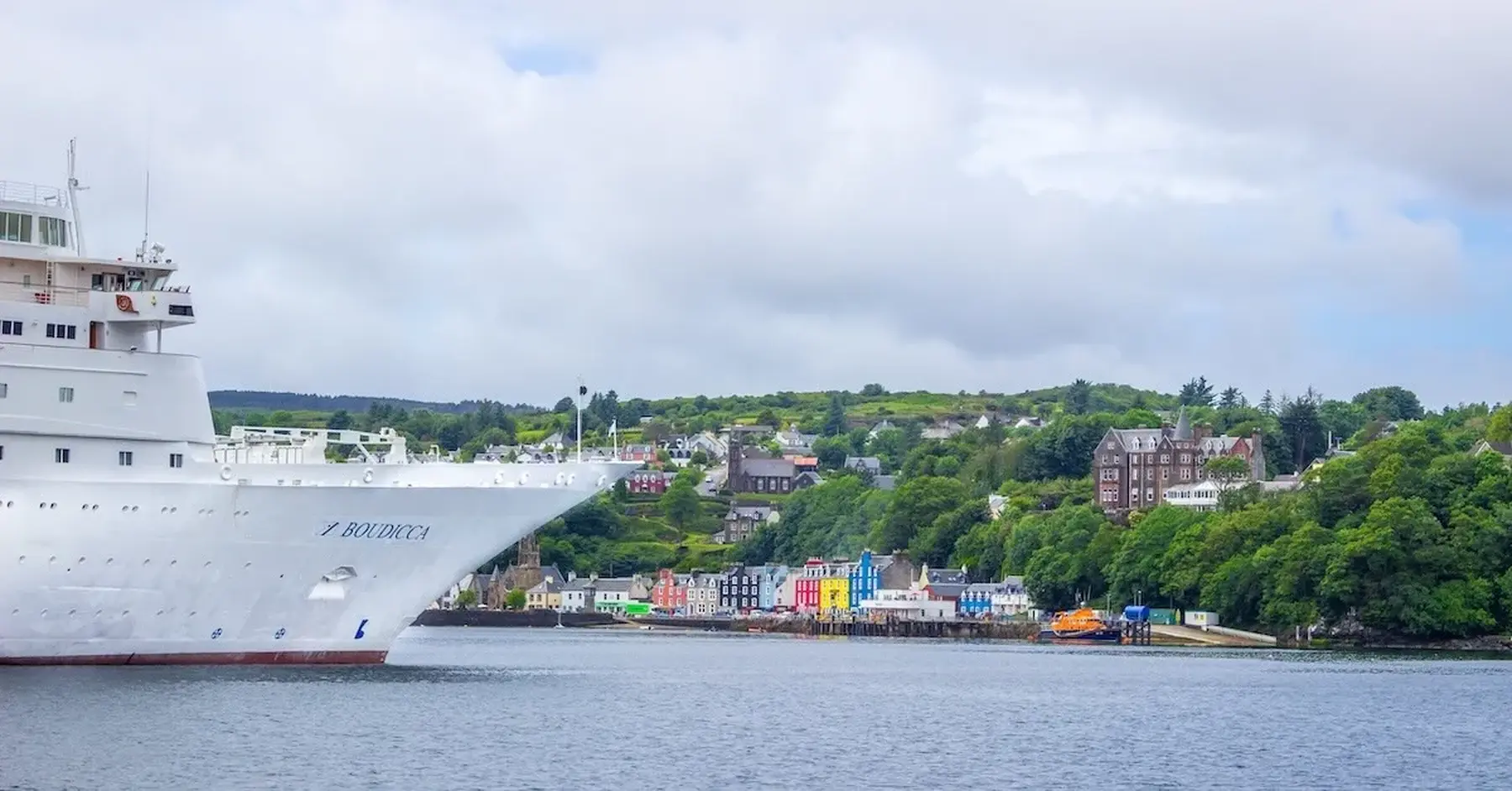
Cruise specialists have reported a surge in shoulder season demand as increasing numbers of clients seek lower prices, more comfortable temperatures and fewer crowds.
Agents, who described varying booking windows, said recent enquiries for travel outside the summer peak had also featured broader demographics than historical trends.
Yet some noted the shifts in consumer behaviour had led to operators adjusting prices outside the peak season. Different timings of school holidays by area of the UK have also had an impact on bookings.
ROL Cruise chief commercial officer Sarah Wikevand said shoulder season periods “continue to be popular” with cruise customers, and noted “varying” booking patterns.
“Some customers plan well in advance to secure the best cabins and itineraries, while others are more spontaneous and book closer to departure when compelling offers are available,” she said. “It’s very much offer-dependent.”
More attractive prices and cooler temperatures are some of the factors behind more clients booking shoulder season voyages, she added.
Auria Travel founder Markus Kendall-Young agreed, saying he had seen increased demand for travel in the October half term, the Easter break and the early weeks of summer and autumn, which he expected to “continue to grow” as a trend.
Kendall-Young said these bookings allowed clients to “enjoy better value for money and a higher level of service”, while avoiding peak-time crowds.
He said: “Recently around 40% of our leisure bookings have been for travel outside the traditional July-August peak window, showing a notable shift in consumer behaviour.”
He also noted a “widening” in demographics interested in travel outside the peak season.
Previously it would mainly appeal to empty nesters and retirees, he said, but now young families, couples without children, digital nomads and multi-generational groups were “taking advantage of lower prices and better availability”.
He noted longer booking windows for shoulder season trips than summer peaks, as he was looking as far ahead as October 2027 for bookings for clients, although late demand for October 2025 was still building.
The Travel Business co-owner Ellie Fowler similarly observed growth in enquiries for shoulder season travel as “people shy away” from the peak summer holiday period due to high pricing over the last 12 to 18 months.
She said Easter and October half term had been most in demand, followed by Whitsun half term or Welsh half term which falls at a different time to England, positively impacting prices. Kendall-Young also noted this trend for Leicestershire school holiday times in July.
Oasis Travel’s Sandra Corkin pointed to a growth in people booking to go to the Mediterranean outside high season due to a “mixture of better pricing, more bearable temperatures and less crowds”.
She said the agency had noticed this with Greece and Spain in particular, with some hotels in those destinations extending opening periods.
Travelosophers cruise specialist Gareth Harding observed “a reduced booking window this year” with many people still looking for September, October and November holidays for this year.
He added: “Shoulder seasons have become more popular, but I think hoteliers and cruise lines have noticed this, so prices are remaining higher to the end of September or beginning of October and availability in luxury hotels and on river cruises, in particular, is tighter during these periods.”
Panache Cruises chief executive James Cole highlighted luxury cruisers typically travelled outside the peak season, for example from April to June or September to November in Europe, as they are generally couples, solo travellers or travelling without children.
However, he said peak season may be shifting, adding: “I would even say that August is shoulder season for European river cruising with peak months being the months either side.”
This echoes comments from Viva Cruises chief executive Andrea Kruse earlier this year, who said April, October and December were now considered “high season” because of changes in demand due to climate change.
She added this had led to adjusted prices on sailings on the Danube, Douro and Rhone rivers in mid-July and August where there was potentially lower demand due to heat waves, compared with other months which were “turning more into high season with high demand”.
Viking UK head of sales Neil Barclay said it would be increasing capacity in the Mediterranean from late October 2025 to mid-March 2026 "due to high levels of demand".
Barclay explained: "Whilst every season in the Mediterranean offers its own unique charm, along with many of our guests, we believe that the true essence of the region really shines through in the autumn and winter – it is less crowded, and some travellers find the temperatures more comfortable.
"UK travellers can enjoy some much-needed winter sunshine and visit multiple destinations and iconic sites at a more relaxed pace without packing and unpacking – all just a short flight away."
Barclay added the "excellent value" of shoulder season travel was also a factor, as he revealed a recent survey of its passengers found changing perceptions of winter sun, with more and more "recognising the joys" of travelling around the Mediterranean in the quieter months.
He said: "When asked where they think of when ‘winter sun’ is mentioned, as expected the Caribbean remains top of mind, but the Mediterranean came in as a close second ahead of Australia and New Zealand, South Africa, the Middle East and the Indian Ocean."
He revealed Viking’s most popular itineraries at that time of year included eight-day voyages such as Iconic Western Mediterranean from Rome to Barcelona and Ancient Mediterranean Treasures from Istanbul to Athens, while the line’s new voyages have been popular, such as the 16-day Malta, Morocco & the Mediterranean itinerary.
You have viewed both of your 2 free articles this month as an unregistered user
To continue reading free of charge, please
If you have registered previously, please complete your details to login:







More Content





Jacobs Media is a company registered in England and Wales, company number 08713328. 3rd Floor, 52 Grosvenor Gardens, London SW1W 0AU
© 2025 Jacobs Media
