




You are viewing 2 of your 2 free articles
New NCLH chief says plans in place to address ‘execution missteps’

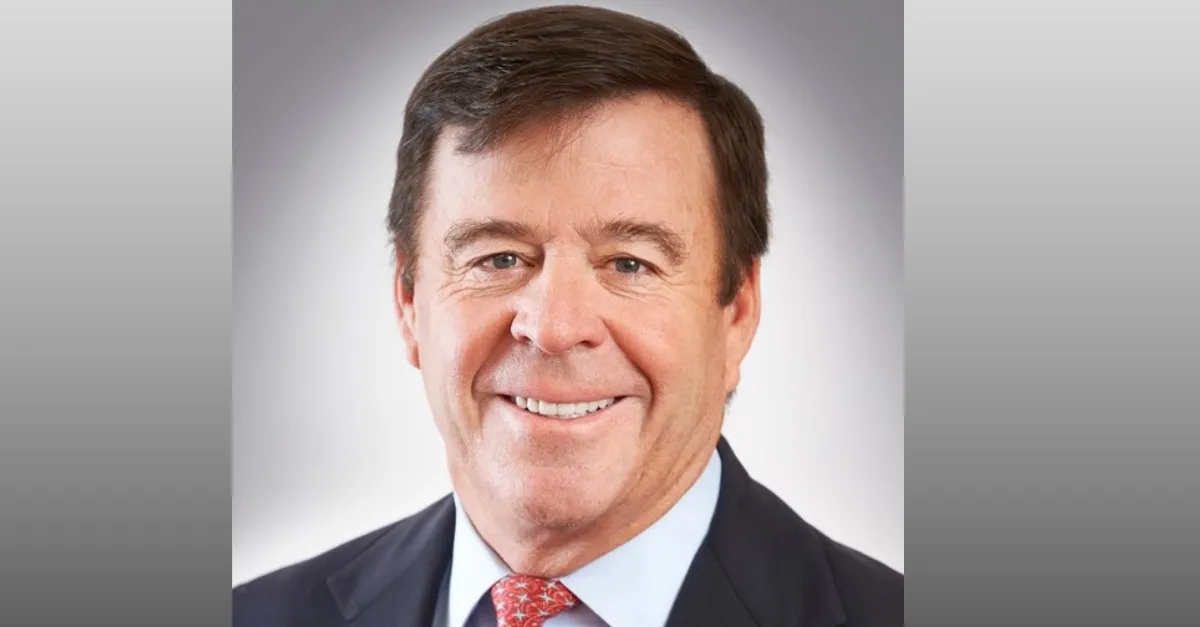
Norwegian Cruise Line Holdings’ new chief executive has outlined a plan to review operations and “correct imbalances” in the business.
The parent of Norwegian Cruise Line, Oceania Cruises and Regent Seven Seas cruises reported its full-year and fourth-quarter 2025 results on Monday, with the outlook for 2026 profit looking “flat” year on year.
The results announcement comes after an activist investor called for a board change and new business plan last month.
Speaking on an earnings call, NCLH chief executive John Chidsey said: “We have iconic brands, an extremely loyal guest base and a dedicated team.
“At the same time, NCLH has clearly not been performing to its full potential.”
He said there will be “a deep review” of operations and he would prioritise improving “execution and coordination” across the business, adding the company had “under-invested” in technology, revenue management capabilities and customer-facing systems.
“Correcting this imbalance is one of our top priorities,” he said, in addition to fixing “execution missteps”, creating “a culture of accountability” and examining shore side costs as well as ship side.
He said: “My priorities are straightforward: improve execution, strengthen financial discipline, reduce leverage and focus the organisation on the areas that will drive sustainable value creation over time."
Chidsey added that “an all-new leadership team” had been put in place in recent months “in most critical functions” and there will be further announcements over the coming quarters as they "streamline and reorganise the business to better execute.”
He said luxury brands Oceania Cruises and Regent Seven Seas Cruises were “performing well”, but the mainstream brand Norwegian Cruise Line, the largest brand of the three, “pull[s] the overall NCLH [group] down”.
Chief financial officer Mark Kempa said: “The big focus is really on our mass brand Norwegian, aligning our commercial strategy and getting much, much sharper on our execution.
“From our standpoint, a good portion of this is probably self-inflicted wounds that we can correct.”
Those “wounds” came from a previous “misalignment” between deployment, sales, marketing, pricing and revenue management, he said, adding: “While our Caribbean strategy required a shift in deployment to the region, in hindsight, it is clear that this shift, which resulted in a 40% capacity increase in Q1, was executed without the necessary enterprise-wide coordination.”
He called the capacity increase in the Caribbean “premature” as supporting infrastructure, commercial initiatives and private island Great Stirrup Cay were “not yet ready to accommodate”.
Kempa said this “misalignment” was “weighing on our expected performance for the full year”, adding: “We entered 2026 slightly behind our ideal booking curve in certain itineraries, creating near-term pressure on pricing and yield, which is evident in our guidance.
“Moving forward, we expect that creating tight integration between deployment planning and commercial execution will ensure itineraries are fully supported by a cohesive plan around revenue management, pricing and marketing.”
Kempa also highlighted “softness” with Europe and Alaska bookings which is “a little bit of a drag for us this year”.
In its latest earnings, the cruise group reported total revenue for 2025 grew by 3.7% to $9.8 billion.
Adjusted Ebitda, a measure of profit, increased by 11% to $2.73 billion for the full year, exceeding guidance.
For the fourth quarter, total revenue was up 6% on the prior year to $2.2 billion, while adjusted Ebitda was reported up 20% to $564 million.
The company confirmed it had completed the first phase of enhancements at its private island in the Bahamas which includes a new pier, Great Life Lagoon pool area and Splash Harbour kid’s area which have received “amazing feedback” from passengers who had visited so far.
Looking ahead, 2026 full-year adjusted Ebitda is forecast to be $2.95 billion and net yield (earnings per passenger) and adjusted net cruise cost (excluding fuel) to be “approximately flat”.
Chidsey recognised the 2026 outlook was “below the long-term aspirations we previously communicated”, and that “closing the gap” would require “focus, rigour and accountability”.
Speaking about the conflict in the Middle East, he said the group was “closely monitoring the situation in Iran and the broader region”, but there were no impacts on scheduled itineraries.
“As it relates to fuel, the longer-term impact remains uncertain,” he said.
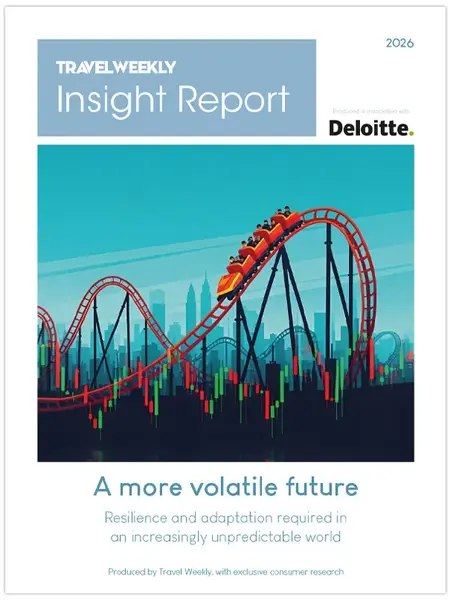
Based on exclusive consumer research and Deloitte's expertise the report includes:
🛒 Latest retail trends and how these are set to develop
⚡ Analysis of AI developments and implications for the future of work
🔎 The outlook for investment, regulation and cyber security, plus much more!








More Content




Jacobs Media is a company registered in England and Wales, company number 08713328. 3rd Floor, 52 Grosvenor Gardens, London SW1W 0AU
© 2025 Jacobs Media
