




You are viewing 1 of your 2 free articles
Analysis: Convention highlighted true extent of travel’s resilience
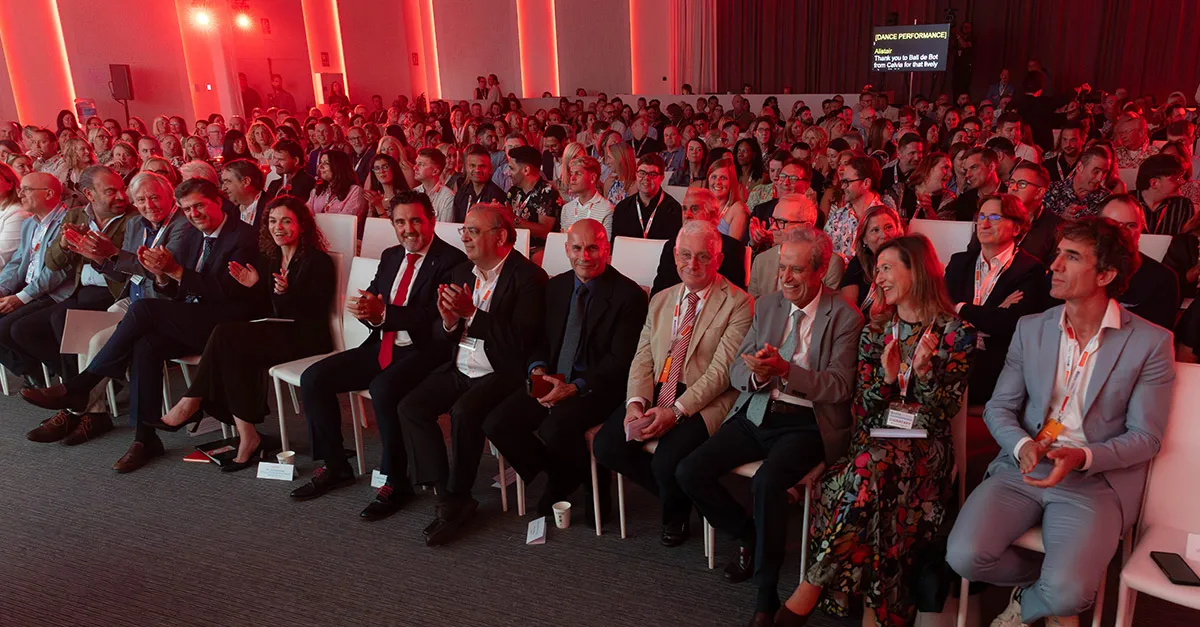
The industry has defied a stagnating UK economy and Trump-fuelled global uncertainty, as Abta pointed out. Ian Taylor reports

Abta’s choice of ‘Reasons to Be Cheerful’ as the theme for last week’s Travel Convention worked better than might have been expected.
It allowed chief executive Mark Tanzer and keynote speaker Professor Anand Menon to discuss the series of challenges which make the resilience of the sector appear all the more remarkable.
Tanzer made the point – or it was made on his behalf by moderator Jonathan Samuels quoting him – that when times are good people want to travel and when times are bad they need to travel.
More: Using artificial intelligence to build brand loyalty ’might be the worst thing you can do’
Retail bosses at Travel Convention call on more agents to attend in future
Abta Travel Convention 2026 to take place in Madeira
That is true, but only with the proviso that people still need the money or credit to be able to travel. Hence, why the UK economic outlook and the confidence people have in their own finances are key – and here there is a contradiction. Surveys indicate a significant proportion assess the economic outlook as dire yet their personal finances as not.
Tanzer cited the need to get the “anaemic” UK economy moving along with the challenge of climate change and growing awareness of overtourism.
Professor Menon addressed the challenges even more directly, arguing “if you’re serious about solving the problems you face, you have to be realistic”, while at least noting in the UK’s defence: “Nothing I say does not apply to other developed economies, and at least we’re not France.”
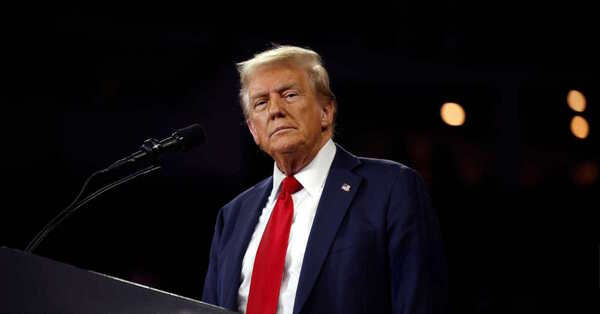
He argued an “increasingly uncertain world”, one exacerbated by Donald Trump and in which “states are more prepared to fight”, is creating “a nightmare for business” and warned: “Don’t think ‘When Trump goes, it will go back to how it was’.
“The world is becoming more protectionist. The trend began under President Biden. It will continue.”
Professor Menon pointed to the UK’s “very high debt repayments and very low growth” and said: “It’s a noxious combination and will get more so. The UK economy has been misfiring for 20 years. Since 2007 we’ve not seen real wages rise at all. That is staggering.”
Yet the industry has enjoyed a prosperous three years despite these challenges – and just as this has been a good year for the trade, it was a good convention for agents, albeit it was a shame that more were not there.
In a session with the major tour operators, Tui UK and Ireland managing director Neil Swanson suggested “the pandemic really helped retail. People wanted advice and that has continued.”
Jet2 chief executive Steve Heapy agreed, noting that how “agents interact with customers can be key” to achieving bookings.
Both talked about how AI will transform customer interaction, with Swanson describing the impact as “seismic” while insisting: “Retail remains important.”
Heapy went further, comparing AI to “the Wild West” and insisting: “It’s a long way away from replacing people. It’s incumbent on us to keep the customer in mind and not just replace people with AI.”
He is undoubtedly right. It was telling therefore to hear behavioural psychologist Nathalie Nahai talk of “AI slop” and the AI-generated “homogeneous content” increasingly appearing online.
Nahai told the Convention: “When you’re thinking of crafting messages [to consumers], AI could be the worst thing to do.”
That is a very different message to the one with which we are increasingly bombarded and worth taking seriously. In the spirit of the proverb, ‘In the land of the blind, the one-eyed man is King’, could it be that in the land of AI, the non-AI’d has a USP?










Jacobs Media is a company registered in England and Wales, company number 08713328. 3rd Floor, 52 Grosvenor Gardens, London SW1W 0AU
© 2025 Jacobs Media
