




You are viewing 1 of your 2 free articles
Analysis: Global tensions provide a chilly start to the year
Travel sector may need to draw on its renowned resilience, says Ian Taylor

It has been an astonishing start to the year. If the previous 12 months were dogged by uncertainty, January has seen upheaval and a succession of extraordinary events.
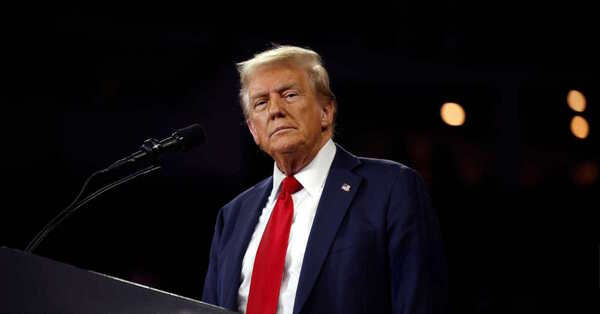
Government and business leaders – including chancellor Rachel Reeves but not Keir Starmer – gathered in Davos this week for the World Economic Forum, where discussion was likely to be fraught with tension, and not just because of US President Trump’s threats to seize Greenland and launch a tariff war from February if Denmark, the EU and UK don’t agree.
Trump began the year by ordering troops to kidnap President Maduro of Venezuela, bombing Caracas and parts of the country’s infrastructure and seizing a succession of tankers used to transport Venezuelan oil.
He claimed to be acting to halt the flow of illegal drugs, but the real intention was explicit from Trump’s declaration that the US would control Venezuela’s oil “indefinitely”.
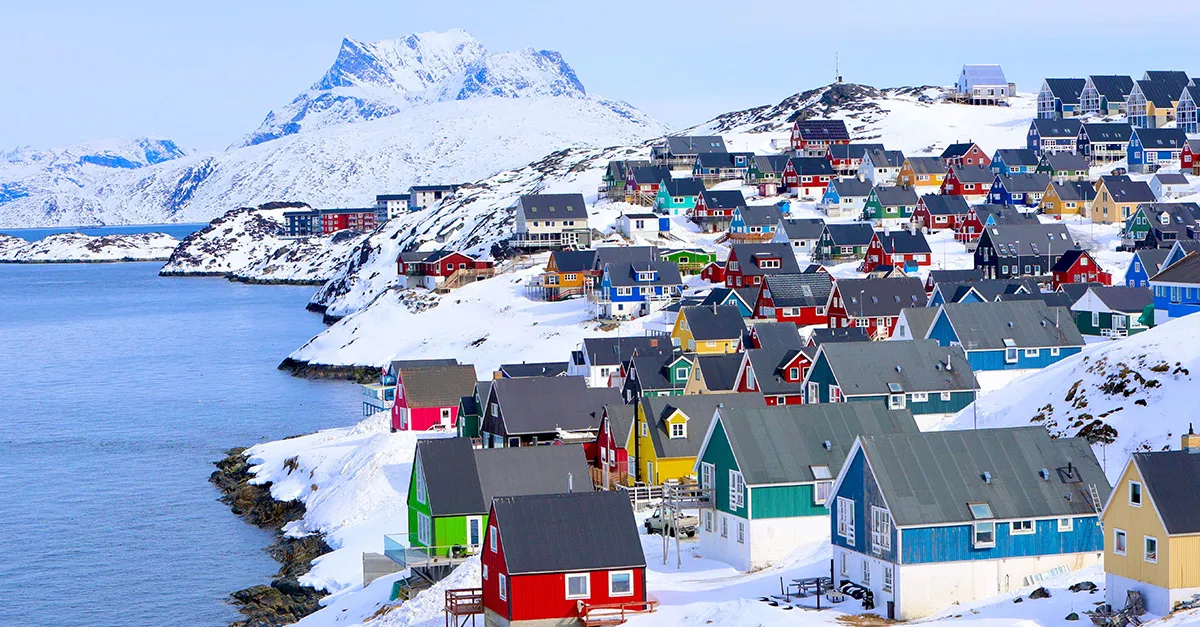
No sooner had Maduro appeared in a US court than Trump was asserting the US’s intention to take over Greenland.
Then Iran erupted in protest, followed by violent repression, with Trump threatening to intervene from the US base in Qatar and risk destabilising the entire Middle East.
The threat to Iran caused a temporary spike in the oil price which had fallen following the seizure of Maduro. But we can guess what signal this and Trump’s designs on Greenland have given to Russia’s Putin over Ukraine and to China over Taiwan, particularly as Venezuela supplied both with oil.
Gaza remains devastated by Israel’s two-year assault following the massacre of Israelis in October 2023 and Ukraine and Russia remain at war despite US attempts to cajole a settlement.
Any one of these regions could at any moment produce a flashpoint with global implications, including on travel.
In the US, the president has threated to deploy troops on the streets following the killing of a protester in Minneapolis and the Department of Justice has launched a criminal investigation against Federal Reserve chair Jerome Powell, who denounced the move as an attempt to pressure him to cut interest rates.
The last head of government to depose a central bank chief, President Erdogan of Turkey in 2019, triggered a surge in inflation and economic instability which has yet to run its course.
Here, we have seen the defection of leading figures in the Tory party to Reform UK, including Tory leadership contender Robert Jenrick and two other sitting MPs, and the latest U-turn by the government on digital ID cards.
The UK economic outlook remains subdued at best, although the economy grew by a better-than-expected 0.3% in November and reports suggest the January peak sales period has gained momentum since an icy start to the year and despite the added complication of adapting to new pricing rules.
The industry may be required to show even more resilience than usual in the coming months.









Jacobs Media is a company registered in England and Wales, company number 08713328. 3rd Floor, 52 Grosvenor Gardens, London SW1W 0AU
© 2025 Jacobs Media
