




You are viewing 1 of your 2 free articles
Jet fuel supply squeeze ‘growing barrier to essential travel’


Concerns around aviation fuel availability due to the Iran war are adding a new layer of uncertainty with clear knock-on effects for connectivity, the Business Travel Association has warned.
The issue comes at a time when airlines are already navigating tight margins and ongoing capacity challenges.
BTA chief executive Clive Wratten warned that this is no longer simply a pricing issue for aviation, but a growing structural challenge for business mobility, with wider implications for UK productivity and international competitiveness.
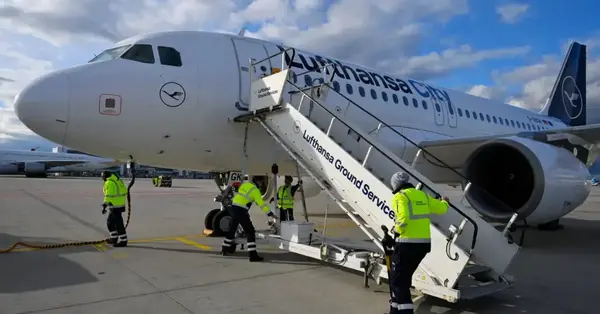
His comments come as Lufthansa Group cuts 20,000 flights and reviews schedules due to a doubling in jet fuel costs since the outbreak of the conflict.
Wratten said: "Ongoing concerns around the availability of aviation fuel, as well as rising costs, are now beginning to directly impact flight schedules, capacity and reliability.
“For business travellers, this is not simply an inconvenience, it is a growing barrier to essential travel.”
He added: "Reports of constrained fuel supply are creating uncertainty for airlines, in some cases contributing to reduced routes and even flight cancellations. When combined with increasing fuel costs driving up airfares, this is placing real pressure on organisations that rely on regular, reliable travel.
"From site visits and contract negotiations to maintaining offshore and international operations, many critical business activities depend on the ability to move quickly and efficiently.”
As connectivity becomes less predictable and more expensive, businesses are being forced to delay, scale back or reconsider travel altogether.
"The implications go far beyond individual journeys,” Wratten said. “Reduced business mobility risks slowing deal-making, weakening international partnerships and ultimately impacting the UK’s economic productivity.
“If these pressures persist, the knock-on effect will be felt across the wider economy, not just within the travel sector.
"It is important that government recognises the potential implications of ongoing fuel supply constraints and works with the aviation sector to help maintain reliable access, ensuring businesses can continue to operate and the UK remains globally connected."
Meanwhile, Christopher Evans, chief executive of airport lounge firm Collinson International, warned that the cost of doing business at airports is rocketing.
“Airlines and airports are facing mounting cost pressures from multiple directions,” he said.
“The uncertainty around jet fuel availability is adding further strain at a time when carriers are already contending with higher operating costs across the board, from operations and ground handling to retail, hospitality and passenger services.
“Airlines are absorbing some of that pressure, because protecting demand and preserving customer loyalty remain critical.
“However, we are already seeing a meaningful proportion of these increased costs flow through to passengers, whether in fares, fees or the wider cost of travelling through the airport.
“Certain airlines are calling on governments to set out emergency jet fuel plans, and decisive action is now needed to prevent serious disruption during the peak summer travel period and beyond. This current strain underlines just how much investment the sector needs to meet future demand.”
Related Content













More Content





Jacobs Media is a company registered in England and Wales, company number 08713328. 3rd Floor, 52 Grosvenor Gardens, London SW1W 0AU
© 2025 Jacobs Media
