




You are viewing 1 of your 2 free articles
Analysis: Oil price impact of war may linger
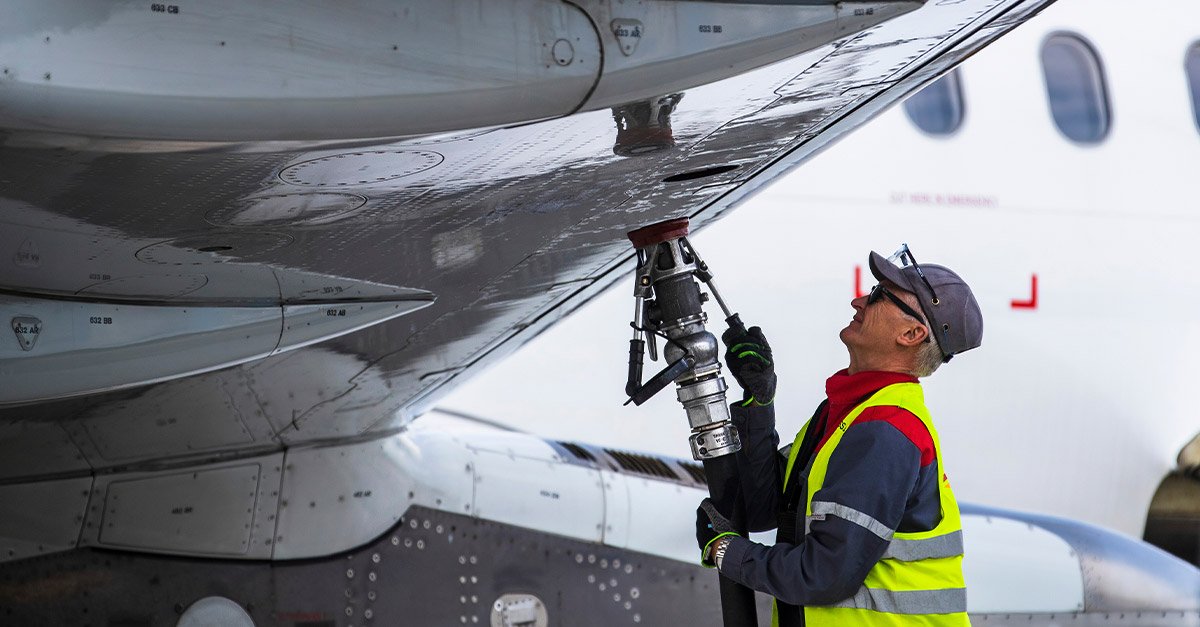
Air travel faces double jeopardy of jet fuel shortage and soaring costs. Ian Taylor reports

The war on Iran seemed all set to resume from the expiry of a two-week ceasefire on Tuesday-Wednesday only for President Trump to announce a last-minute extension pending peace talks neither side appear committed to.
Iran vowed to retaliate after the US seized an Iranian ship on Sunday and duly did so, seizing at least two tankers and attacking others while reports suggested its negotiators view the latest Pakistan-brokered talks with the US as merely “a deception”.
Oil prices continue to see-saw up and down with the latest social media post from the US President. But whatever the latest gyrations, the impact on inflation and, crucially for travel, the availability and cost of jet fuel can only intensify as the crisis continues.
More: Flight cancellations and fare hikes due to Iran war ‘will hit holidays’, EU warns
Travel industry leaders warned of ‘significant inflationary shock’
Spain tourism chief says geopolitical tumult is ‘lose-lose situation’ for industry
Chancellor Rachel Reeves insisted last week that “there are no issues with supply”, including of jet fuel, as the government maintained efforts to forestall panic buying.
But that is not the view of the International Energy Association (IAE), the European Commission or Iata.
Willie Walsh, Iata director general, described an IEA assessment that there would be jet fuel shortages in Europe by late next month as “sobering”, saying: “By the end of May we could start to see cancellations in Europe for lack of jet fuel. This is already happening in parts of Asia.”
Walsh urged governments to “have well-coordinated plans in place in case [of] rationing”.
The EC unveiled its plans to address shortages on Tuesday and Airlines UK wrote to ministers and to the Civil Aviation Authority on the same day urging the government to do the same.
Even with fuel available, and most airlines in Europe well-hedged on prices, the impact on air fares will be greater than the hike in headline oil costs suggests because this is not what buyers are paying.
Oil analyst Amrita Sen noted crude oil in Asia was fetching “between $150 and $170 a barrel” late last week, not the headline $90-$100 price, while jet fuel prices had “soared above $200 per barrel”.
She warned: “The real price of oil is the price refiners and sellers are transacting at and that they will pass through to consumers.”
A second analyst noted oil from the Gulf would take up to 45 days to reach Europe even when flows resume and suggested: “It’s time to think through what ‘running out of oil’ might look like.”
The impact on consumer spending is becoming clearer with a Deloitte Consumer Tracker released on Monday showing the biggest fall in consumer confidence in four years, not helped by a 7.2 percentage point fall in confidence in disposable income and a similar drop in discretionary spending despite an increase in spending on travel in the run-up to Easter.
An Office for National Statistics survey likewise found two-thirds of UK adults (67%) reported their cost of living increased in March.
Management consultancy Bain, in an analysis of the war’s impact on aviation demand, noted: “Costs have risen sharply through the combination of higher oil prices and tighter fuel-refining margins.”
It proposed two scenarios. A speedy end to the war would likely see a full recovery “by early 2027” but with “sustained economic headwinds” only tapering out in 2028 and fare increases taking “18 months to unwind”.
An extended conflict would “suppress economic growth” and see “effects lingering to 2029 [with] a significant structural pricing increase over the medium term”.
Bain concluded: “In both scenarios, global demand in 2030 remains below the pre-conflict baseline.” That is quite a demand shock when you consider the post-Covid recovery in air traffic took three years at most.












Jacobs Media is a company registered in England and Wales, company number 08713328. 3rd Floor, 52 Grosvenor Gardens, London SW1W 0AU
© 2025 Jacobs Media
