




You are viewing 1 of your 2 free articles
Businesses must take action now to comply with CMA guidance

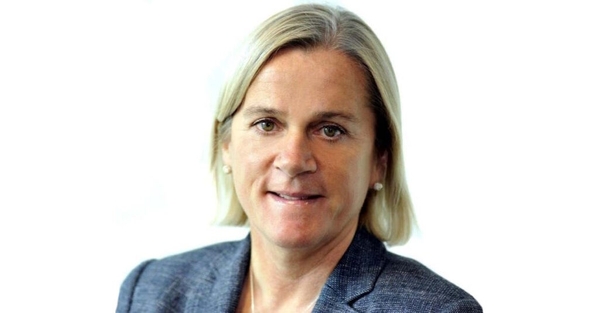
Paula Macfarlane, senior solicitor at Abta, outlines the differences in how travel will be regulated in 2026

While we may be at the start of a new year, it is some of the developments in 2025 that will shape how travel is regulated in 2026.
In fact, 2025 was a year of substantial change in consumer law. The Digital Markets, Competition and Consumers Act, which came into force in April 2025, brought updates to unfair commercial practices law, and new powers for the Competition & Markets Authority (CMA) to investigate and decide upon breaches and levy fines.
This culminated on November 18 in the announcement by the CMA of its first enforcement action under its new powers.
The action saw the CMA launch eight investigations and issue 100 letters outlining concerns about the use of additional fees and sales tactics; and it issued final guidance on pricing transparency.
In this, it states how it will interpret the rule that advertised prices must include all taxes, fees and charges that a consumer will necessarily incur if they buy the product.
Particularly important for the travel industry, and which will mean fundamental changes to price displays, the CMA’s guidance includes that ‘local taxes, resort fees and other unavoidable charges that become payable on arrival or departure at hotels, ports or airports’ must be included in headline prices.
Abta had gathered members’ views on this issue this year, and made arguments to the CMA about the challenges and difficulties this will make for travel businesses, as well as the lack of consumer detriment in this area. The issues we raised included:
- There is a huge number of local taxes, which differ widely, and it is very difficult for members to know accurately what they are.
- Including them in prices is confusing for customers as they may be misled into thinking they have paid in advance as members are not responsible for collecting or paying these local taxes.
- Prices displayed this way are likely to be in inaccurate as they include an amount converted into Sterling which will change, and taxes could also change between booking and travel.
- Members’ systems can’t calculate prices that have pay now and pay later elements and it will be very time-consuming and expensive development work will have to be done.
However, at the Abta Travel Regulations conference in November, Jason Freeman, director, consumer law at the CMA confirmed that holiday prices will need to include resort fees and local taxes, as the CMA’s belief is that these taxes and fees are compulsory costs and they can be calculated in advance. This is consistent with the CMA’s previous work with booking.com and other hotel booking websites.
Both at the event and in our discussions with the CMA since, Abta has continued to put the industry’s perspective. Enforcement by the CMA must be sensible – first because this is not an area where we see consumer complaints, if taxes and fees are clearly stated there is little harm to consumers and this is certainly not an ‘egregious’ harm which is the benchmark previously given by the CMA for taking action; and secondly because businesses need time to make systems changes. We know members are already working to make these changes, and were doing so ahead of the CMA guidance being published.
Jason Freeman said that he did not envisage any long grace period and businesses should now be looking to comply. Businesses can still offer undertakings to the CMA to try to resolve any issues informally, but there is reduced scope for undertakings under the new powers. CMA does not envisage entering into prolonged negotiation with businesses as it might have done previously.
An important point was raised that businesses from outside the UK might not comply with this guidance and would then be competing with UK businesses and that would be unfair. Jason Freeman said that the CMA is concerned that businesses from outside the UK also comply. It can act in relation to businesses directing their activities to the UK. Some of the investigations it has just announced are against companies from outside the UK e.g. Stub Hub.
In conclusion, businesses should now take steps to comply and include local taxes and fees in prices. Abta will continue to engage with the CMA and make the points that enforcement of the law and guidance should be practical and allow businesses the time to make changes.
Related Content












Related Content





Jacobs Media is a company registered in England and Wales, company number 08713328. 3rd Floor, 52 Grosvenor Gardens, London SW1W 0AU
© 2025 Jacobs Media
