




Cape Verde 'received no notice’ of gastro warning from UK health agency

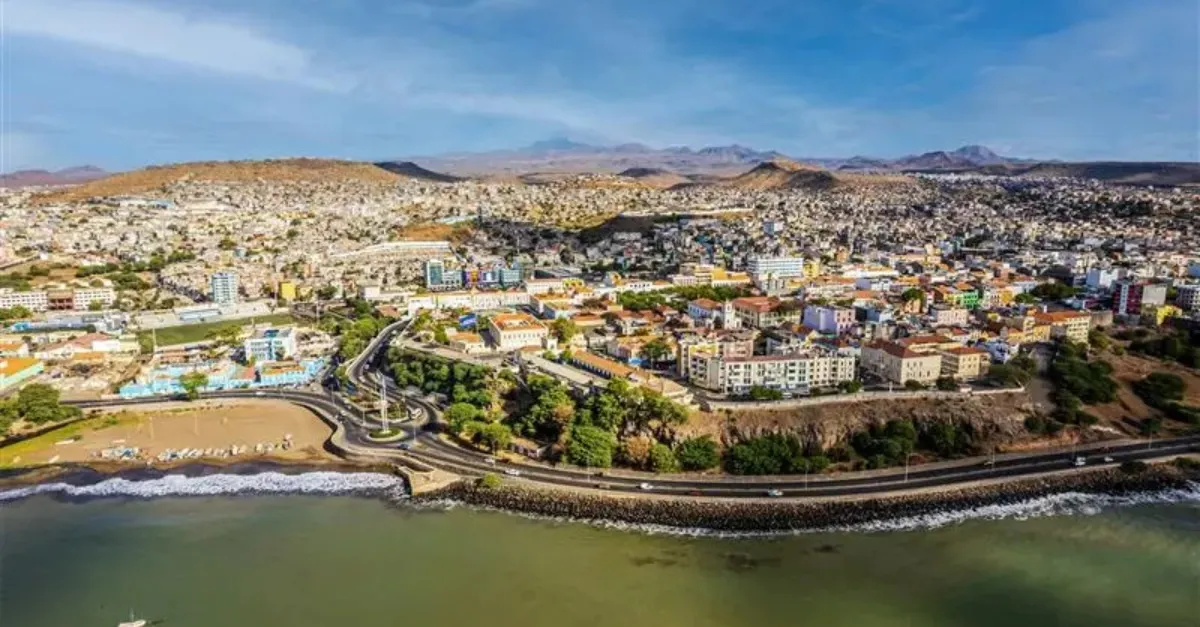
A senior travel industry figure has described the UK Health Security Agency (UKHSA) warning to travellers to Cape Verde “to protect against gastrointestinal infections” as a “radical step”.
The UKHSA issued the notice last week as a “reminder” to travellers “ahead of the February half-term holidays” after warning in December of an increase in cases of shigella infection “associated with travel to Cape Verde”.
Shigella can cause severe diarrhoea and fever. The agency also reported an increase in salmonella cases “associated with travel to Cape Verde”.
The warnings relating to overseas travel were the first of their kind issued by the agency since it was established towards the end of the Covid pandemic in 2021.
Former Federation of Tour Operators director general Andy Cooper, who was head of government and external affairs at Thomas Cook and is now a consultant to the industry, said the warning was reminiscent of Foreign Office advice on the prevalence of gastro illness in the Dominican Republic in the 1990s.
He noted the UKHSA had combined “two unrelated issues” in its latest warning, as “shigella is generally water borne and salmonella generally food driven”, and suggested: “It seems a radical step.”
The UKHSA reported last week that there have been 158 “confirmed” shigella cases in the UK since October 1, of which 118 followed “reported international travel” and 112 were associated with travel to Cape Verde. The number of confirmed cases was up from 137 in December, and the number following travel to Cape Verde had risen from 109 – meaning a small increase in almost two months.
The agency reported 43 reported cases of salmonella “associated with travel to Cape Verde” since October 1.
The Foreign Office, which would normally issue any health-related warning to travellers, currently advises: “The UKHSA is investigating an increase in reports of shigella and salmonella infection in travellers returning from Cape Verde.”
The number of UK travellers to Cape Verde has doubled in the past decade to about 250,000 a year and Cooper said: “You wonder whether the infrastructure is struggling to keep up.”
He said the problems in the Dominican Republic in the 1990s were rectified “by tour operators working with the government to raise standards”.
In a statement, Cape Verde tourism and transport minister José Luis Sá Nogueira said: “There is no declared shigella outbreak in Cape Verdean territory, [and] no formal international notification from the UK has been received identifying Cape Verde as the origin of an epidemiological outbreak.
“The country has active and coordinated health surveillance systems, fully integrated into international public health monitoring and response mechanisms.”
The minister added: “The government remains available for dialogue and cooperation with competent international authorities.
“The country remains safe, prepared, and committed to high standards of quality and health protection.”
Tui is by far the biggest operator to Cape Verde. Asked about the warning this week as the group released results for the three months to December, Tui chief executive Sebastian Ebel said: “I can only say the average illness rate is below the standard at home [in Germany], and I looked at the numbers yesterday.”
Tui UK faces several group action sickness claims brought by major law firm Irwin Mitchell on behalf of holidaymakers who stayed at resorts in Cape Verde in 2022 when hotels were reopening after being mothballed during the Covid pandemic.
The UKHSA was formed from an amalgamation of Public Health England’s infectious disease control team with the Joint Biosecurity Centre and NHS Test and Trace.
It advises travellers heading to Cape Verde to visit the Travel Health Pro website for more information.







Related Content







Jacobs Media is a company registered in England and Wales, company number 08713328. 3rd Floor, 52 Grosvenor Gardens, London SW1W 0AU
© 2025 Jacobs Media
