




You are viewing 1 of your 2 free articles
Global airfares ‘to remain stable’ in 2026 after years of unpredictability

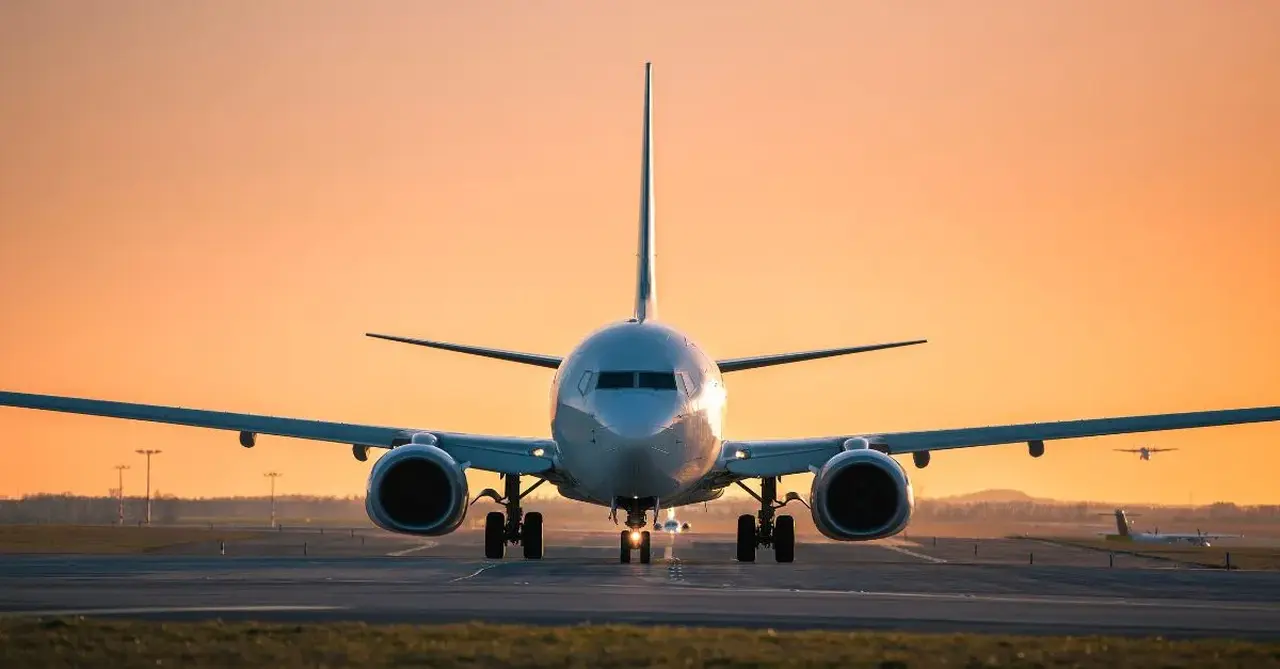
The cost of airfares is expected to remain stable for business travellers next year amid ongoing economic and cost pressures, according to a new projection.
Instead of broad fare-based increases, airlines are adopting increasingly sophisticated revenue management strategies, including investment in “premiumisation” and the application of continuous pricing.
Global airfares are stabilising, signalling a more balanced market after years of unpredictability.
However, business class fares across Europe are projected to rise by 4.8% and economy by 3.4%, supported by steady demand and expanding airline capacity.
The findings come from an annual forecast compiled by American Express Global Business Travel (Amex GBT).
Travellers are prioritising comfort and productivity – with recent data showing 92% of rail travellers working while on board, the “mobile office” mindset is also shaping air travel, the study suggests.
Premium economy fares are set to rise 1.8% in 2026 as demand for “connected, comfortable travel” grows.
The business travel giant said: “Demand for business travel remains resilient, while a combination of broader industry dynamics and limited opportunities for airlines to push up fares should keep ticket prices stable.
“These approaches are reshaping competition, keeping base fares stable while diversifying the range of products and services available to travellers.”
According to the TMC, factors influencing air fares for 2026 include:
- Uncertainty: Geopolitical and economic volatility continue to impact airline cost and travel patterns. Despite resilient demand, fares are expected to remain stable in 2026, as carriers are holding fares steady in an already high-cost environment.
- Airline economics: Supply chain disruption, labour settlements, and the potential return of fuel price volatility are adding billions in costs, placing upward pressure on airlines.
- Paying the premium: Airlines are expanding premium offerings to elevate traveler experience and generate additional revenue streams, independent of overall fare levels.
Amex GBT consulting vice president Dan Beauchamp said: “Anticipated price stability creates both opportunities and new considerations.
“Airlines are expanding their offerings through new products and pricing models, giving businesses more choice but adding opaqueness to travel program management.
“To maximise value, businesses will need to stay agile and look beyond fares to proactively manage their suppliers and understand how best to unlock value.”
Related Content












More Content





Jacobs Media is a company registered in England and Wales, company number 08713328. 3rd Floor, 52 Grosvenor Gardens, London SW1W 0AU
© 2025 Jacobs Media
