




You are viewing 2 of your 2 free articles
Safer Tourism Foundation launches women’s safety campaign

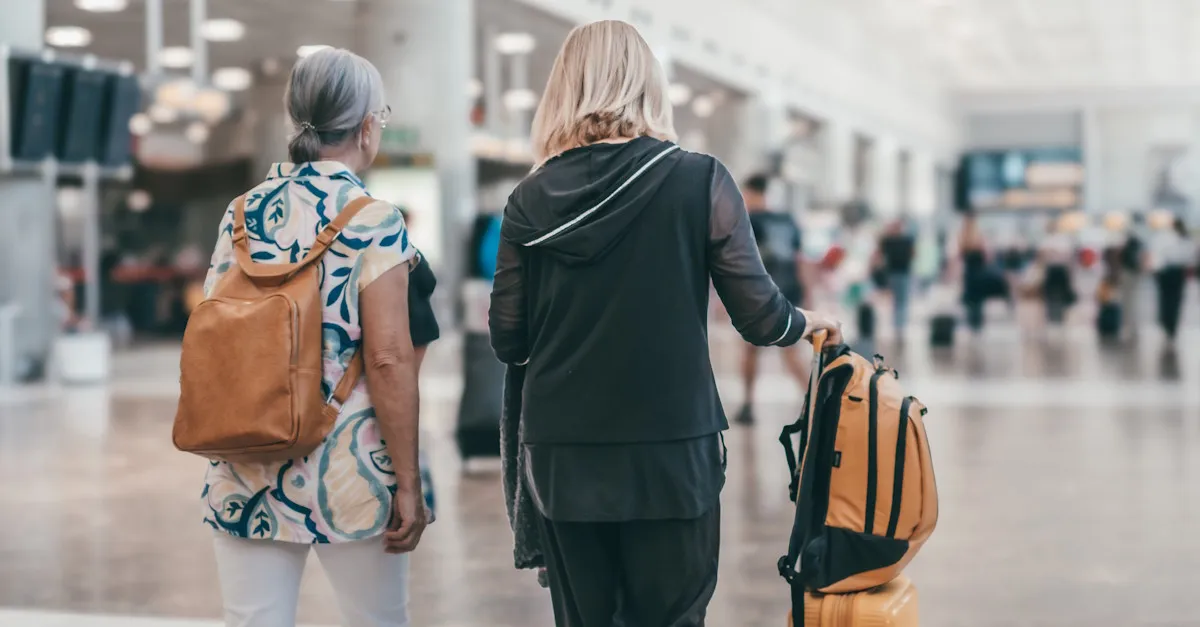
The Safer Tourism Foundation has launched a ‘She Travels Safe’ campaign to support more women to travel confidently and safely.
New research carried out on behalf of the charity found that fewer than half (49%) of women travellers feel confident managing their personal safety abroad while travelling solo or with other women.
It comes after global traveller safety incident data saw a 60% rise in reported incidents of sexual harassment and assault in 2024.
Launched during Women’s History Month, ‘She Travels Safe’ draws on a poll of 2,000 UK travellers, conducted by OnePoll on behalf of Safer Tourism Foundation.
The charity said the findings highlight “a clear gap between how women and men experience travel and personal safety”, with women doing more preparation before travel, and are more likely to avoid activity that might pose a risk of unwanted attention from strangers.
The preparations mean women are significantly more likely to buy travel insurance than men and more interested in having hard copies of key information, such as phone numbers, itineraries and accommodation.
Women travellers are also more inclined to make flight or train bookings so that they arrive at their destination during daylight hours.
Despite this, solo travel among women is firmly on the rise, with varying reports showing that women make up between 75-84% of all solo travellers.
Katherine Atkinson, chief executive of the Safer Tourism Foundation, said: “The picture emerging from research from Safer Tourism and others is a complex one – when women aren’t travelling, it’s clearly not because they are less adventurous than men, but rather that they face a different risk environment.
“Nearly one in four women tell us they’ve experienced unwanted attention or harassment while travelling.
“We see similarly worrying patterns in the global traveller incident data we collect from travel providers each year, with a 60% rise in reported incidents of sexual harassment and assault in 2024.
“It is encouraging that more travel operators are creating environments where travellers feel able to report.
“This is important progress, and something Safer Tourism Pledge partners have worked hard to achieve. But better reporting alone does not explain a rise of this scale.”
Atkinson added: “We believe travel should be a freeing and enriching experience for everyone. The She Travels Safe campaign aims to share knowledge and practical tools to ensure women who want to travel can do so on their own terms.
“These tools are not just useful for women, however; bystander intervention techniques, for example, have been shown to be effective in reducing and calling out harassment around the world, whoever you are.”
The campaign includes practical safety guidance, drawing on the experiences of women travellers, and bystander tools to help fellow travellers recognise when someone might need support and feel equipped to help safely.
It also also reveals what women want from travel providers but aren’t currently getting. Nine in 10 (88%) women say it is important for travel providers to take proactive steps on safety, yet only around half are satisfied with the safety information they currently receive.
The most requested improvements include round-the-clock support helplines (60%), detailed safety guidance for specific trip types (51%), and clear, specific information about accommodation safety (49%).
Atkinson said: “Women are not asking for anything unreasonable. They want clear information, proactive communication, and to know that the company they’ve booked with has thought about their safety and will offer support if the worst happens.
“Safer Tourism will continue to encourage travel companies to collaborate and learn from each other to address this sensitive but critical issue. Women are not going to stop travelling, so making female safety a priority issue is a business no-brainer.”
Related Content





More Content



Jacobs Media is a company registered in England and Wales, company number 08713328. 3rd Floor, 52 Grosvenor Gardens, London SW1W 0AU
© 2025 Jacobs Media
