




You are viewing 1 of your 2 free articles
Abta urges EES contingency plans amid ‘challenges’ to introduction

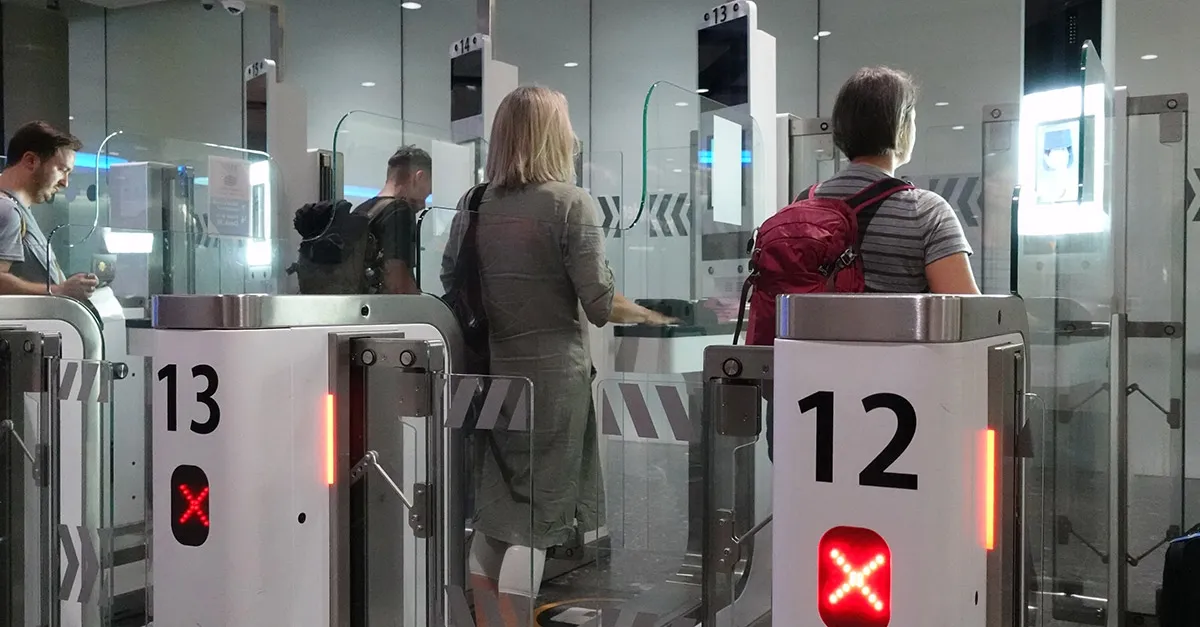
Abta has urged the European Commission to ensure contingency plans are in place due to “challenges” with the introduction of the new EU Entry/Exit System (EES).
A Commission spokesperson reminded the 29 European countries participating in EES on Friday that they have contingency measures they can use to avoid long delays at passport control.
The spokesperson, responding to a question from a French journalist, also drew attention to additional measures that can be utilised where necessary throughout the busy summer travel season.
This means that while EES will be fully operational from April 9, the opportunity to apply contingency measures will continue up to and throughout the summer.
In the letter to internal affairs and migration commissioner Magnus Brunner, Abta chief executive Mark Tanzer supported the intervention, saying feedback from its travel company members shows that countries are not being consistent with the use of contingency measures, with some borders not applying them at all.
Abta says the Commission needs to ensure consistent and effective communication about the use of contingency measures, to member states and border authorities, to make sure that the staff on the ground understand the rules and know they can apply them.
The rollout must also be kept under close review – particularly as the number of passengers undergoing checks increases towards busier peak travel periods.
Abta said: "The underuse of the measures has meant that there have been occasions where passengers have unnecessarily been caught up in lengthy delays going through passport control, which can have a knock-on impact for their onward travel.
“Under the contingency measures, border authorities are allowed to stand down the system, or limit the number or extent of checks, to avoid significant disruption and large queues.”
Overall, Abta says passengers’ experience of EES has been mixed, with some people having no issues at all whereas others have experienced queues or technical problems.
Destinations and border authorities need to do more to plan for peak travel periods as well as applying the contingency measures, including the use of additional border guards at the busiest times, according to the travel association.
Tanzer said: “The ambition of a project like EES means it was never going to go completely smoothly, and we were prepared for that.
"However, what is frustrating is that border authorities have it within their power to ease queues and deal with issues as they arise – but that doesn’t seem to be happening across the board.
“As the rollout expands and we head towards peak travel periods, we’re urging border authorities to plan for busy periods and use the contingency measure available. It’s critical the Commission keeps a close eye on this throughout the rollout and beyond.”
Related Content













Related Content







Jacobs Media is a company registered in England and Wales, company number 08713328. 3rd Floor, 52 Grosvenor Gardens, London SW1W 0AU
© 2025 Jacobs Media
