




TV presenter Sophie Morgan urges agents to ask disabled clients ‘open questions’
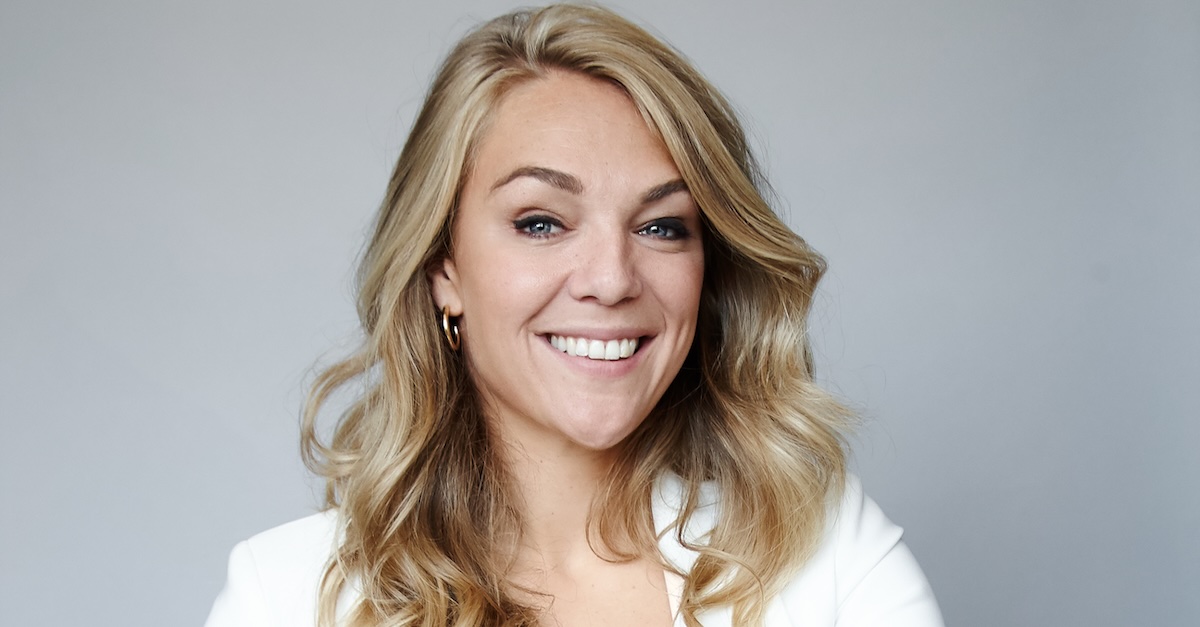
TV presenter and disability advocate Sophie Morgan has urged travel agents to have confidence to ask “open questions” about clients’ accessible holiday needs.
Morgan, a paraplegic since a car crash at the age of 18, fronted Channel 4 TV documentary Fight to Fly about problems for disabled passengers on flights and launched a ‘Rights for Flights’ campaign to hold airlines to account over broken wheelchairs.
During the Advantage Travel Partnership conference in Malta, she said: “I would encourage agents to gain confidence. Don’t let your fear [of getting it wrong] become a barrier [to a sale].
“You need to ask open questions [such as]; what do you need? This does not require hours of training. You do need confidence to ask these questions.”
She said agents should not fret about using the “wrong language” as long as they were open to customers about not knowing the best wording, nor should they worry about the holiday not going to plan for clients with access needs.
“Honestly, it’s part of the experience for disabled people. You are not going to be able to create a barrier-free experience. That’s okay; you just need a plan B. You will never be able to make it perfect – the world is not built for disabled people,” she said.
Her sentiments were backed by Harry Hastings, co-chief executive of Ocean Holidays, who urged agents to fight the fear of selling holidays to disabled customers, noting conversion rates within this market were four times higher and customers were twice as likely to rebook.
“It’s worth it from a commercial perspective. I would say to agents looking to sell to disabled customers, do not have any fear. We all want 99% satisfaction ratings as businesses but the reality is disabled customers have a very different experience,” he said, adding: “We should not be afraid to acknowledge there will be problems.”
The Good Travel Agent co-founder Jake Cullum-Hollins said the problem was often that hotels could not guarantee accessible rooms necessary for disabled clients, with rooms then cancelled at a later date or last-minute.
“For me it’s a fear of letting the customer down; it means we are giving a worse service,” he admitted.
Morgan urged hotels and other suppliers to produce access guides on their websites to explain exactly what they provide for accessible customers.
She also pledged to work in a constructive way in future with the travel industry to bring about change for disabled travellers, but admitted it was a “balancing act”.
She has publicly criticised airlines’ failure to fully compensate customers for lost or broken wheelchairs, which she said could cost “£1,000 or £40,000”.
“I want airlines to be fined if they break our equipment. I think airlines are trying to do the right thing, I just want that pace of change to happen,” she said, adding the government was “not as supportive as I want them to be”.
She said some airlines were looking at how to allow passengers on board in their wheelchairs and praised efforts of Air New Zealand and British Airways, which has a dedicated accessibility team.
You have viewed both of your 2 free articles this month as an unregistered user
To continue reading free of charge, please
If you have registered previously, please complete your details to login:
Related Content







Related Content




Jacobs Media is a company registered in England and Wales, company number 08713328. 3rd Floor, 52 Grosvenor Gardens, London SW1W 0AU
© 2025 Jacobs Media
