




You are viewing 1 of your 2 free articles
London City introduces airport drop-off fee as Bristol rate increases

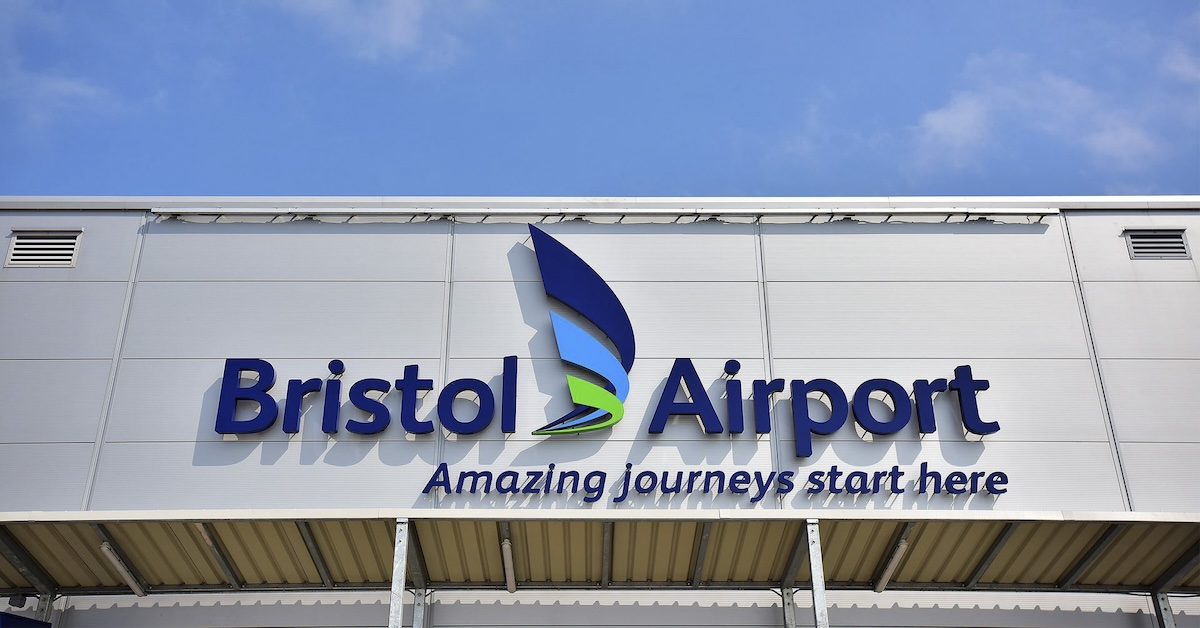
The Business Travel Association has criticised increasing car drop-off fees at airports, following news that London City will introduce a levy while Bristol will raise its charge next week.
The announcements follow similar increases to drop-off charges at Heathrow and Gatwick.
Bristol Airport said the cost of using its Drop-Off & Pick-Up car park – which is the quickest option for terminal access – will increase from £7 to £8.50 for a 10-minute stay on Monday (January 5).
London City Airport said it will introduce a drop-off charge on Tuesday (January 6). The charge will be £8 for up to five minutes then £1 minute for any additional minutes, with a maximum stay of 10 minutes.
“This move is part of our commitment to encourage more travel to and from the airport via public and sustainable transport modes, of which two-thirds of our passengers already use,” said London City Airport in a statement.
More: Gatwick slated for hiking drop-off charge to £10
Hike in Heathrow drop-off charge ‘penalises business travellers’
Clive Wratten, chief executive at the Business Travel Association (BTA), said: “It’s becoming increasingly clear that airports are watching each other and testing just how much they can get away with.
“What’s most concerning is that this is becoming normalised. Each increase sets a new benchmark, and others follow.
“Left unchecked, drop-off fees risk becoming an unregulated tax on people simply trying to get to work.
“Despite what the airports say, this isn’t about improving access, passenger experience or sustainability. It’s about pulling the easiest revenue lever.
“Airports often point to public transport as an alternative, but this ignores reality. Early morning departures, which are essential for business travel, are rarely served by reliable buses or trains, especially outside London.
“Pricing people out at the kerbside does not suddenly make public transport viable – it just pushes more cost onto workers, businesses and the taxi community.
“Airports should be enabling access to jobs, trade and economic activity, not quietly monetising the first and last mile of a journey.
“We urgently need a more coordinated, transparent approach that puts fairness, access and real-world travel behaviour ahead of short-term revenue grabs.”













More Content







Jacobs Media is a company registered in England and Wales, company number 08713328. 3rd Floor, 52 Grosvenor Gardens, London SW1W 0AU
© 2025 Jacobs Media
